

Heavy Breathing in Cats: 5 Common Causes and When to Seek Veterinary Care
Cats sometimes run around in sudden bursts of energy, especially at dawn and dusk—a behavior known as the "zoomies." Afterward, many owners notice their feline companion breathing heavily. Is this normal, or should you be concerned? This guide explains what constitutes typical breathing, why heavy breathing can occur, and when it signals a medical emergency.
Normal Cat Respiration
At rest, cats breathe about 15–30 times per minute. Kittens and adults share this range, but the rate can rise during exercise, excitement, or stress such as a veterinary visit. A brief increase is normal, but if a cat continues to breathe rapidly—especially when resting for an hour or more—it may indicate an underlying problem.
Panting is rare in cats, unlike dogs. It usually appears after intense activity or in hot climates. Persistent panting in a cool environment, or panting without recent exertion, is abnormal and warrants attention.
In healthy breathing, the abdomen rises during inspiration and falls during expiration. Excessive abdominal movement or a pronounced effort to breathe may signal respiratory distress. Signs of distress include rapid, hard breaths (tachypnea), open‑mouth breathing, and flared nostrils.
Why Is My Cat Breathing Heavy?
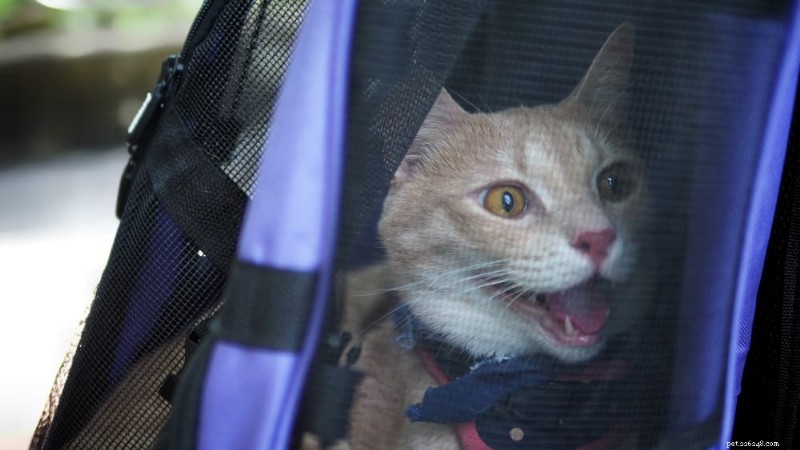
Heavy breathing can be triggered by very warm temperatures, acute stress, or prolonged vigorous activity. However, when breathing remains heavy for over an hour without these obvious causes, it usually points to a serious health issue. The five most frequent culprits are:
1. Heart Disease
Heart disease is the leading cause of respiratory distress in hospitalized cats. Hypertrophic cardiomyopathy (HCM) is the most common form. As the heart struggles to pump, fluid can accumulate in the lungs, leading to coughing and labored breathing. Older cats are most often affected.
2. Chronic Bronchitis or Asthma
These conditions involve long‑term inflammation of the small airways, narrowing the passage of air and reducing lung capacity. Middle‑aged cats frequently develop chronic bronchitis or asthma, presenting with wheezing and a rapid breathing rate.
3. Pneumonia
Pneumonia—an infection or inflammation of the lung tissue—can be caused by viruses, bacteria, or fungi. Inflammation and fluid buildup impede oxygen exchange, making breathing difficult. Younger cats are more susceptible.
4. Cancer
Neoplasms in the lungs, mediastinum, or nearby lymph nodes can compress airways and reduce lung function. Approximately one‑third of feline lung cancers cause pleural effusion (fluid buildup). Lymphoma is the most common chest‑related cancer in cats.
5. Trauma
While less common, traumatic injury—such as a motor‑vehicle collision—can cause rib fractures or pulmonary contusion. Pain and physical damage to the lungs often result in severe breathing difficulties.
When to Worry About Heavy Breathing
Ask yourself: did your cat just finish a vigorous play session? If the home environment is warm or lacks air conditioning, brief heavy breathing can be normal. However, if the cat is cool, inactive, and still breathing hard, it’s abnormal. A breathing rate exceeding 50 breaths per minute—or an open‑mouth pattern—requires immediate veterinary evaluation.
Additional warning signs include a reduced appetite, lethargy, hiding, or a marked change in activity level. These symptoms, combined with respiratory distress, strongly suggest a serious condition.
Reverse sneezing—an abrupt, inward spasm of the throat—can mimic distress. It typically resolves within minutes. Capture a short video and contact your veterinarian to confirm the diagnosis.
What to Do If Your Cat Is Breathing Heavily or Panting
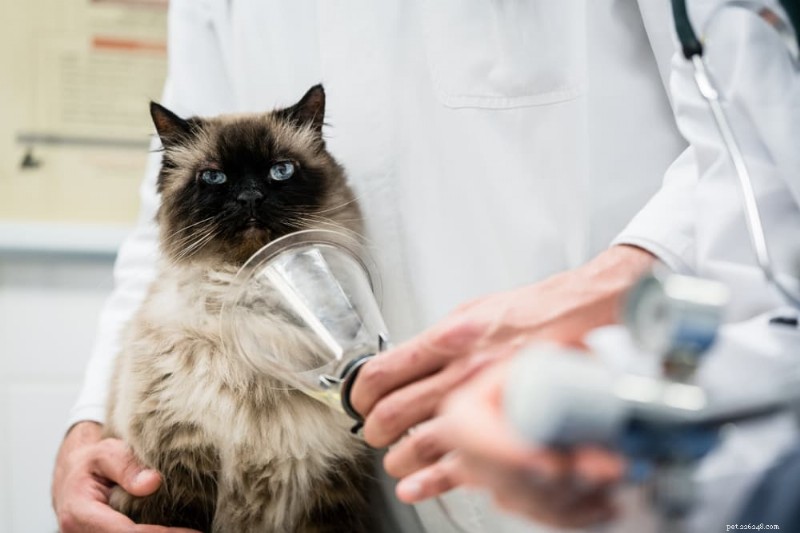
Count your cat’s breaths over one minute by noting each chest and abdominal expansion. If the rate is faster than 50 breaths per minute, or if you notice open‑mouth breathing without recent exercise, seek veterinary care immediately. If your regular clinic is unavailable, call a local emergency animal hospital.
When calling, describe the breathing pattern and any other symptoms. Record a video of the breathing if possible; it can help the veterinarian assess the situation remotely.
Immediate transport to an emergency facility is warranted if your cat:
- Breathes with an open mouth (absent recent activity)
- Is unwilling or unable to stand or walk
- Lies on its side or back, not responding to touch
- Pet Behavior
- Pet Breeds
- Pet Names
- Pet Adoption
- Pet Training
- Cat Stories
- Pet Health
- Adorable Pets
- Cats
- Effective Ways to Stop Your Dog from Digging: Proven Techniques & Tips
- Cattle Dog Roper's Curious First Encounter With a Horse Captivates Fans
- Recognizing Canine False Pregnancy: Symptoms, Causes, and Care
- Top 10 Large Fluffy Dog Breeds Perfect for Cuddles
- How Smiling Boosts Your Dog’s Love and Strengthens Your Bond
- 5 Leading Feral Cat Spay & Neuter Programs: Humane Solutions for Population Control
- Harnessing Tug‑of‑War for Positive Dog Training