

What Causes Cat Sneezing? Symptoms, Causes, and When to Seek Veterinary Care
Sneezing is the body's natural way of expelling irritants from the nasal passages. In cats, a sneeze is triggered by irritation of the nasal mucosa, and the coordinated action of muscles and nerves forces air out forcefully.
Occasional sneezing is normal, but a sudden increase in frequency or accompanying symptoms can signal an underlying issue. Below we outline why cats sneeze, the most common causes, warning signs, and when to consult a veterinarian.
Why Do Cats Sneeze?
When the delicate lining of the nasal passages becomes irritated—by dust, pollen, a stray blade of grass, or a viral infection—a reflexive sneeze ensues. The inspiratory center in the brain sends signals that draw air into the lungs; when the pressure builds, the nasopharynx opens and the air is expelled.
Common Causes of Cat Sneezing
- Environmental Irritation – A small particle of dust, pollen, or a splinter of plant material can trigger a sneeze.
- Rhinitis – Chronic inflammation of the nasal lining, often idiopathic, is a leading cause of repeated sneezing.
- Dental Disease – Infections of the upper molars can rupture into the nasal cavity or produce swelling that affects airflow.
- Upper‑Respiratory Viruses – Feline herpesvirus‑1 and feline calicivirus cause the “cat cold”; they account for ~70% of upper‑respiratory infections.
- Allergies – Sensitivity to food, pollen, or cleaning products can provoke nasal inflammation and sneezing.
- Polyps – Non‑cancerous growths that form in response to chronic irritation.
- Foreign Bodies – Anything lodged in the nose—especially plant fragments—can cause persistent sneezing.
- Bacterial & Fungal Infections – Secondary bacterial infections often follow viral illness; fungal agents such as Cryptococcus spp. can invade the nasal cavity.
- Neoplasia – Lymphoma and adenocarcinoma are the most common nasal cancers in cats.
- Congenital Anomalies – A cleft palate allows food and fluids to enter the nasal passages, leading to chronic sneezing.
Additional Symptoms to Monitor
When a cat sneezes frequently, look for:
- Runny or purulent nasal discharge
- Watery or blood‑streaked eyes
- Decreased activity or lethargy
- Reduced appetite and possible gagging or vomiting
- Loud, rapid, or mouth‑breathing
- Coughing or wheezing
Clear discharge is typical; green or yellow mucus indicates infection. Blood in the nasal mucus can appear after several days of inflammation.
Reverse Sneezing: What It Looks Like
Reverse sneezing is a sudden, forceful inhalation rather than an exhalation. It produces a snorting or honking sound that may sound alarming, but the cat is not choking. The episode usually lasts a few seconds and resolves on its own.
When to Seek Veterinary Care
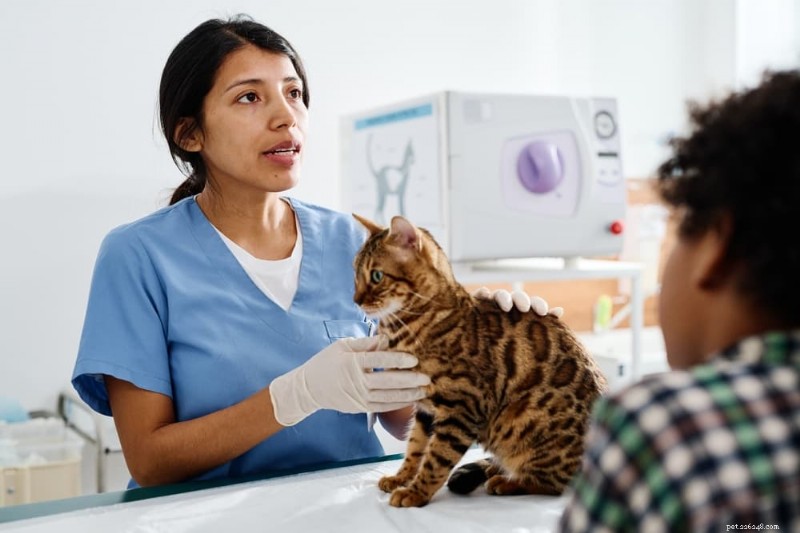
Most isolated sneezes are benign. However, if your cat:
- Shows persistent congestion or a thick, colored discharge
- Has a fever, coughing, or wheezing
- Is lethargic, has lost weight, or refuses food
- Exhibits repeated episodes despite home care
consult a veterinarian promptly. Diagnostic work may include a physical exam, nasal swab, blood work, and chest radiographs to rule out lower‑respiratory disease such as pneumonia.
Home Care Tips
To soothe mild congestion:
- Place your cat in a steamy bathroom (shower on hot) for 15–20 minutes, 2–3 times daily.
- Use a humidifier in the room where your cat spends most of its time.
- Gently wipe the face with a damp cloth to remove excess mucus.
- Offer a variety of wet and dry foods; bland options like plain cooked chicken or tuna can entice a reluctant appetite.
- Monitor temperature and behavior; record dates and severity of episodes for discussion with your vet.
These measures can reduce nasal irritation and support recovery while awaiting veterinary evaluation.
For more detailed information, consult resources such as the American Association of Feline Practitioners or your trusted veterinarian.
- Pet Behavior
- Pet Breeds
- Pet Names
- Pet Adoption
- Pet Training
- Cat Stories
- Pet Health
- Adorable Pets
- Cats
- 19 Proven Tips to Keep Your Hamster Happy and Healthy
- Interview with Kate Solisti: Colorado's Expert Pet Communicator
- Soft‑Coated Wheaten Terrier: Expert Breed Guide – Origin, Traits, Care
- Quick Ways to Lift Your Dog’s Spirits When They’re Feeling Down
- Cat Trees: Elevate Your Pet’s Comfort and Security
- Cat Glaucoma: Symptoms, Causes, and Treatment Options
- 5 Chic Ways to Keep Your Dog Warm and Stylish This Winter