

Can Cats Safely Consume Salmon Skin? Risks, Benefits, and Feeding Tips
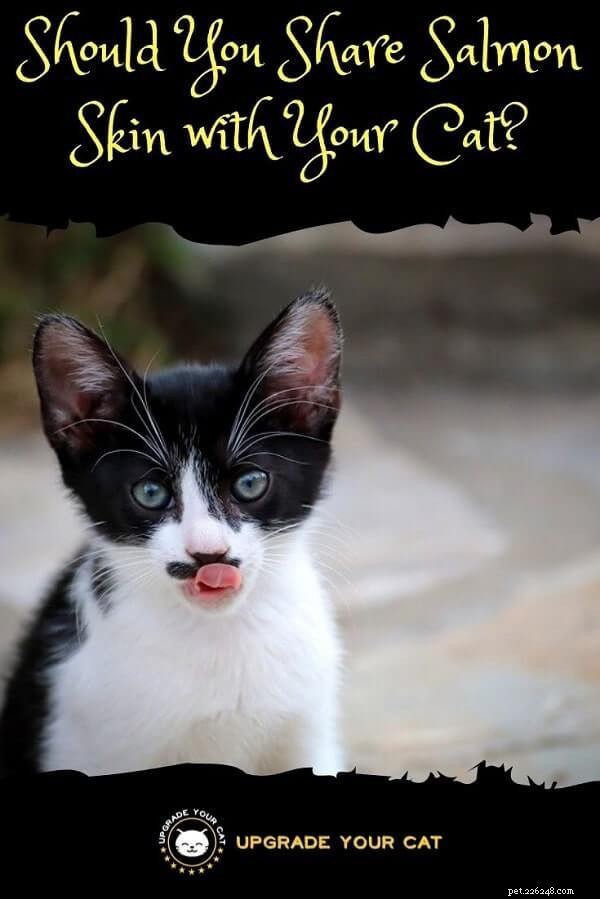
Sharing kitchen scraps with our feline friends is a common habit, but not every human food is safe for cats. If you enjoy salmon, you’ll often have the skin left over. The key question is: can cats eat salmon skin, and is it safe?
The short answer is yes—but only in moderation and with careful preparation. Below we explain the nutritional value of salmon skin, how to feed it safely, and what to watch for.
Is Salmon Skin Healthy for Cats?
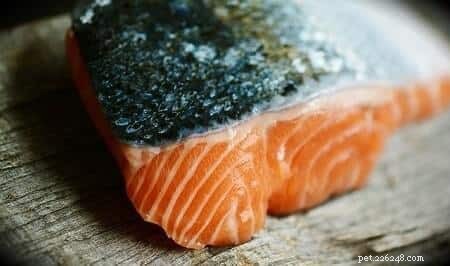
Salmon skin is rich in omega‑3 fatty acids, essential fatty acids, vitamin B12, potassium, and selenium—nutrients that support a cat’s coat, skin, and overall health. According to MedicalNewsToday, the skin contains nearly the same level of these nutrients as the flesh, making it a valuable, low‑calorie treat.
However, the quality of the salmon and how it’s cooked are critical. Fresh, high‑grade salmon cooked simply (no oil, salt, or seasonings) is ideal. Canned salmon, on the other hand, often contains added sodium and may carry higher levels of contaminants.
Should Cats Have Raw Salmon Skin?
Domestic cats should never be fed raw fish. While wild cats can tolerate raw prey, commercial fish can harbor salmonella, E. coli, and parasites that pose serious health risks to pets. Raw salmon skin also contains enzymes that degrade valuable vitamins.
To keep your cat safe, always cook the skin separately. A plain, baked or steamed skin, cooled to room temperature, is the best approach.
Key Guidelines for Feeding Salmon Skin
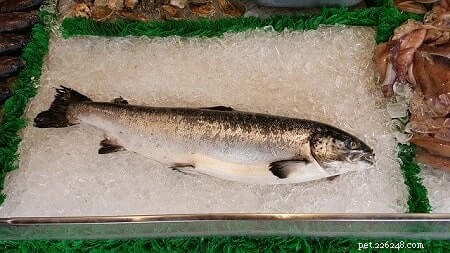
When incorporating salmon skin into a cat’s diet, keep these points in mind:
- Moderation is essential. A well‑balanced commercial diet should provide at least 90% of a cat’s nutritional needs.
- Use only fresh salmon; avoid canned, smoked, or seasoned varieties.
- Check for excessive salt or additives—cats need very little sodium.
- Introduce new foods gradually. Offer a small piece first and monitor for digestive upset or allergic reactions.
- Observe for signs of gastrointestinal distress, such as vomiting, diarrhea, or lethargy. If these occur, discontinue the treat.
Bottom Line: Can Cats Eat Salmon Skin?
Yes, cats can safely enjoy salmon skin as an occasional treat, provided it is cooked properly, free of seasonings, and offered in small amounts. Monitor your cat’s reaction and keep the treat a small part of a nutritionally complete diet.
Have you tried giving your cat salmon skin? Share your experience in the comments!
- Pet Behavior
- Pet Breeds
- Pet Names
- Pet Adoption
- Pet Training
- Cat Stories
- Pet Health
- Adorable Pets
- Cats
- Year Four of Rabies Challenge Fund Studies: Advancing Vaccine Research
- Understanding Cat Constipation: Signs, Causes, and Effective Treatments
- Why Your Dog’s Success Depends on Owner Training, Not Just Dog Training
- Bikers Rescue Abandoned Cats in Bridgend, Naming Them Harley & Davidson
- Jessie, the Black Cat, Finds Joy and Stability at Richmond Branch After Overcoming Food Scarcity
- Understanding Why Dogs Jump Out of Windows: Causes and Prevention
- Preventing Dog Slips on Hardwood Floors: Tips for Safety and Care