

How to Care for Disabled Dogs and Cats: Expert Tips for a Happier Life
Petmoo is reader-supported. When you purchase products through links on our site, we may earn a commission at no cost to you.
Welcome to the Guide for Disabled Pets
Dogs and cats with hearing, vision, or mobility challenges deserve the same love and attention as any other pet. Recent advances in veterinary medicine and assistive technology mean that many disabled pets can live active, fulfilling lives. Below is a comprehensive, evidence‑based approach to helping your pet thrive.
1. Addressing Mobility Problems
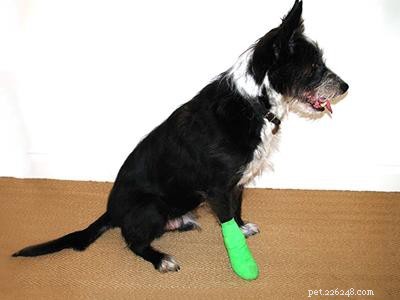
For dogs or cats with partial or full paralysis, adaptive equipment such as wheelchairs, slings, and supportive harnesses can restore independence. Veterinary‑approved devices must be fitted correctly to avoid skin irritation and ensure safe movement. A licensed veterinary rehabilitation therapist can design a tailored exercise plan, often incorporating massage, acupuncture, and gentle stretching to promote circulation and muscle tone.
2. Caring for Deaf Pets
Hearing‑impaired dogs rely on visual cues and touch. Hand signals, consistent hand gestures, and a brightly lit environment help them stay alert. Using a collar that clearly indicates the pet’s deafness can reduce accidental injuries. Flashlights or strobe lights are useful in low‑light situations, and keeping a leash during traffic exposure is essential.
- Mark your pet’s collar with a “Deaf” tag.
- Use flashing lights in dim conditions.
- Maintain a leash for safety around traffic.
- Establish calm eye contact to avoid startling.
3. Supporting Blind Pets
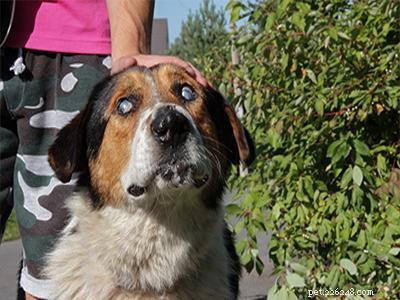
Dogs often compensate for vision loss with an acute sense of smell, whereas cats rely heavily on sight. To navigate safely:
- Keep a clutter‑free home and secure furniture edges.
- Use familiar scents to guide them.
- Offer toys that emit distinct sounds or smells.
- Talk regularly; their vocal presence is comforting.
4. General Care Principles
- Gentleness and patience foster trust.
- Regular check‑ups catch complications early.
- Maintain a balanced diet tailored to your pet’s needs.
5. Establish a Daily Routine
Consistent feeding times, exercise, and rest periods help disabled pets feel secure and reduce anxiety. A predictable schedule encourages cooperation during therapy and enhances overall wellbeing.

6. Seek a Second Opinion When Needed
Veterinary decisions can vary. If your pet’s condition seems uncertain, consult a specialist—such as a veterinary neurologist or orthopedic surgeon—for a fresh perspective. Advanced imaging or novel therapies may offer improved outcomes.

7. Build a Support Network
Connecting with online forums, local support groups, or pet‑care professionals provides emotional support and practical advice. Shared experiences can ease the burden of caring for a disabled animal.
8. Professional Handling and Safety
When moving or lifting your pet, always rely on a trained veterinary assistant or a qualified professional to prevent injury to both you and your animal.

9. Owner Well‑Being Matters
Providing care for a disabled pet can be physically and emotionally demanding. Ensure you rest, seek support when needed, and maintain a healthy lifestyle to remain an effective caregiver.

10. Specialized Products for Disabled Pets
Consider the following aids:
- Rear‑end or full‑body harnesses for dogs with hind‑limb weakness.
- Low‑friction, padded mats to reduce joint strain.
- Pet fountains that encourage drinking for less mobile animals.
- Adjustable feeding stations to reach pets who cannot stand.

Bottom Line
Disabled dogs and cats depend on dedicated, compassionate care. With the right support, adaptive tools, and professional guidance, you can help your pet lead a happy, healthy life—an investment that brings immeasurable joy to both of you.
- Pet Behavior
- Pet Breeds
- Pet Names
- Pet Adoption
- Pet Training
- Cat Stories
- Pet Health
- Adorable Pets
- Cats
- Eliminate Brown Algae in Your Aquarium: Quick, Reliable Cleaning Tips
- ThunderShirt: The Proven Solution to Calm Your Dog’s Fear of Loud Noises
- Is Horseback Riding a Sport? Exploring Its Athletic Value and Classification
- Hazardous Plants That Threaten Your Dog’s Health
- Understanding Why Dogs Lick Their Rear Ends: Causes and Solutions
- Top Dog Breeds for Emotional Support
- Ensuring Your Pet Rat Receives Optimal Nutrition: A Comprehensive Guide