

Axolotl Care Guide: How to Create a Healthy, Stress‑Free Home for Your Pet Amphibian
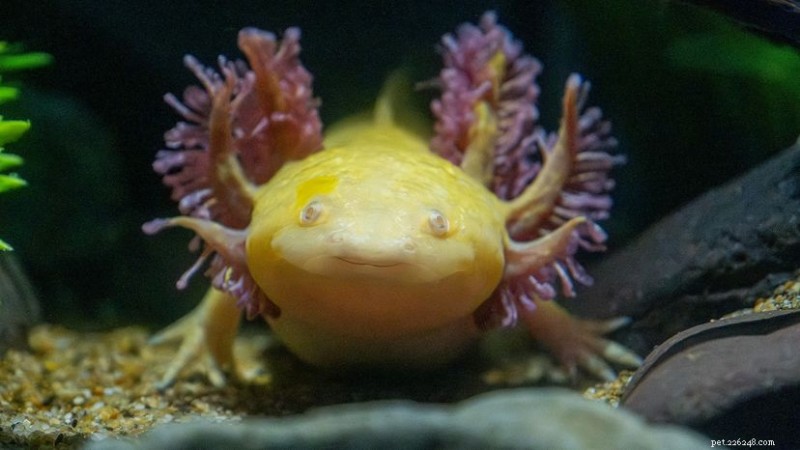
Proper axolotl care is essential to keep these unique aquatic animals healthy and thriving in captivity. Native to Lake Xochimilco near Mexico City, axolotls are neotenic amphibians that retain their gills and aquatic traits for life, unlike the tiger salamander which can metamorphose.
Tank Setup and Water Quality
One adult axolotl requires a minimum of a 20‑gallon aquarium with a wide surface area for optimal oxygen exchange; a 40‑gallon tank is even better. Most keepers choose a bare‑bottom setup or fine sand—never gravel—to prevent impaction when axolotls feed.
Water quality is critical. Use a sponge filter and allow the tank to cycle to establish beneficial bacteria that convert ammonia into nitrite and then into nitrate, keeping parameters safe. Always treat tap water with a conditioner that removes chlorine; avoid additives containing aloe vera, which can damage gills.
Maintain temperatures between 60 and 64°F (16–18°C). In warmer climates or during summer, an aquarium chiller can help keep the water within range. Avoid bright light and direct sunlight, as axolotls lack eyelids and are sensitive to light.
Feeding and Nutrition
Juvenile axolotls should be fed once daily with high‑protein foods such as feeder fish, bloodworms, or small pellets. Adult axolotls can be fed every 2–3 days. They feed by suction and may ingest substrate, so feeding on a bare bottom or a small dish is often recommended. Remove any uneaten food promptly to prevent rapid water pollution.
Choose treats labeled as axolotl‑safe and avoid fish that may carry disease.
Behavior and Tank Mates
Axolotls are solitary and prefer calm environments. While multiple axolotls of the same size can coexist, never pair them with other amphibians, fish, or axolotls of a different size, as aggression or health problems can arise.
Provide hiding spots and aquatic plants—real or artificial—to mimic their natural habitat and reduce stress. Live plants also help improve water conditions and offer shelter.
5 General Care Tips
- Never expose axolotls to untreated tap water.
- Monitor water parameters weekly to ensure clean conditions.
- Avoid sudden temperature shifts.
- Use pet‑specific supplies; many stores now cater to the growing axolotl trade.
- Give a new axolotl time to adjust; acclimation can take a few weeks.
We created this article in conjunction with AI technology, then fact‑checked and edited by a HowStuffWorks editor.
- Train Your Dog to Be a Polite Dining Companion: A Step‑by‑Step Guide
- Vince, Hampshire’s Unlucky Rescue Cat, Seeks a Forever Home
- Three Landfill Kittens Reunited With Loving Homes
- Instinct or Training? Understanding Why Dogs Bark
- Expert Dog Trainer Insights: Proven Advice for Aspiring Professionals
- Protect Your Dogs from Poison Ivy, Oak, and Sumac: Essential Care Tips
- Seamless Baby‑Pet Introductions: Expert Tips for a Peaceful Home