

Axolotl Diet 101: What to Feed Your Captive Salamander
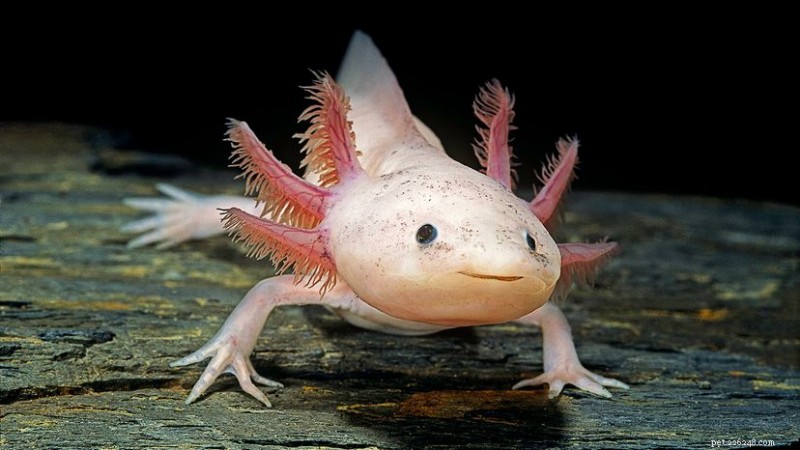
A balanced, protein‑rich diet is the cornerstone of healthy, thriving captive axolotls. These amphibians are obligate carnivores, hunting small prey in the wild with their wide mouths and gill‑powered suction.
What Do Axolotls Eat?
In captivity, axolotls can be fed a variety of live and prepared foods that cater to their life stage:
- Earthworms: The gold‑standard food for all ages, packed with protein and essential nutrients.
- Bloodworms: Ideal for larvae and young axolotls; often sold freeze‑dried and rehydrated.
- Brine shrimp: Excellent starter food for newly hatched larvae.
- Daphnia (water fleas): Easy to digest and perfect for growing axolotls.
- Grindal worms: A versatile supplement that adds variety.
- Salmon pellets: Commonly used in labs and aquariums; choose a nutritionally balanced brand.
- Small fish & crustaceans: Can introduce parasites or chemicals if not sourced responsibly.
Feeding Tips and Tank Care
Adjust feeding frequency to the axolotl’s size and age: juveniles may need daily meals, while adults typically eat every other day. Always remove uneaten food promptly to keep the tank clean and prevent water quality decline.
Maintain optimal water conditions—cool, clean water and stable temperature—to reduce stress and support appetite. Mimic natural feeding patterns to keep your axolotl comfortable.
Avoid gravel, which can be ingested and cause impaction. Opt for a sand or bare‑bottom substrate for safety.
Nutrition and Health
Consistent, varied nutrition ensures proper growth, robust immune function, and overall well‑being. Live food replicates natural hunting behavior, but combining it with high‑quality pellets and occasional treats keeps the diet engaging and balanced.
This article was generated with AI support and subsequently fact‑checked and edited by a HowStuffWorks editor, ensuring accuracy and reliability.
- Can Dogs Safely Eat Bacon? Expert Insights & Health Tips
- How Understanding Your Cat’s Personality Strengthens Your Bond and Improves Their Well‑Being
- Pet Cancer Awareness Month: Spot the Early Signs and Protect Your Furry Friend
- How to Keep Your Hamster Warm This Winter: Proven Care Tips
- The Dangers of Punishing Dogs: Why Positive Training Works Best
- How to Stop Hairballs in Cats: Prevention & Quick Relief
- Treating a Puppy with Overactive Bladder: Expert Care & Home Strategies