

What Rabbits Should Really Eat: A Guide to a Healthy, Fiber‑Rich Diet
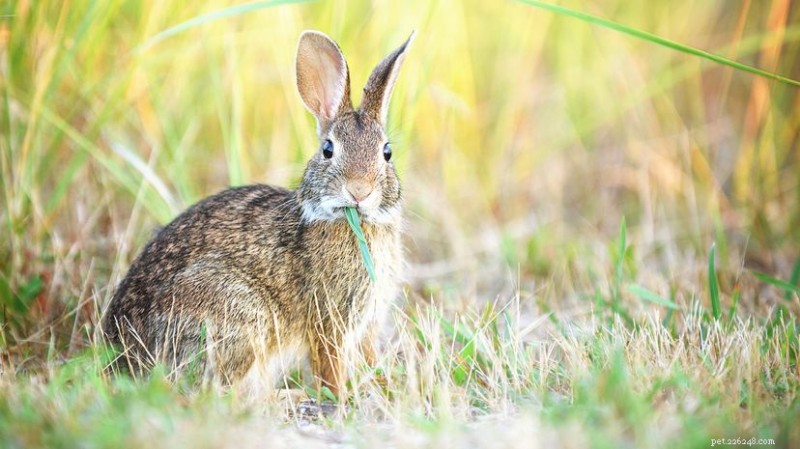
After decades of Bugs Bunny cartoons, many people mistakenly believe that rabbits thrive on carrots. In reality, carrots are a sweet treat best enjoyed in moderation, much like ice cream for children.
Whether you’re caring for a wild rabbit or a domestic pet, a carefully balanced diet is essential for their well‑being. The cornerstone of a rabbit’s nutrition is fiber—primarily high‑quality hay, supplemented with fresh leafy greens, a few pellets, and occasional treats.
Hay: The Foundation of a Rabbit’s Diet
Continuous access to hay is vital for a rabbit’s digestive health. The bulk of their daily intake should come from good‑quality hay such as timothy hay or fresh grass. For juveniles, alfalfa hay offers additional calcium, but adult rabbits should consume alfalfa pellets sparingly to avoid excess calcium and weight gain.
Hay also plays a key role in dental health. Rabbits’ teeth grow continuously; chewing fibrous hay naturally wears them down, preventing overgrowth and related feeding difficulties.
A Variety of Leafy Green Vegetables
Fresh vegetables provide essential nutrients, but not all greens are suitable. Safe choices include romaine lettuce, bok choy, mustard greens, beet greens, and dandelion greens. Avoid iceberg lettuce, which offers little nutrition and can upset digestion.
Vegetables high in sugar—such as bell peppers, Brussels sprouts, and carrot tops—can be offered in small amounts to satisfy a rabbit’s sweet tooth. However, excessive sugar can lead to weight gain and other health issues.
Pellets: A Little Goes a Long Way
Pellets can supplement a rabbit’s diet, but over‑feeding can cause weight gain and metabolic problems. Offer only a few pellets per day, especially when using alfalfa varieties that are higher in protein and calcium. Avoid muesli‑style foods, which encourage selective eating and lack nutritional balance.
Common Diet Mistakes and Practical Tips
Introducing new foods gradually helps prevent digestive upset. Even seemingly healthy human foods can be harmful to rabbits, so keep all vegetables pesticide‑free and avoid over‑reliance on sugary treats.
A heavy ceramic bowl is recommended for feeding, as it resists tipping and keeps food clean. Always provide fresh water and monitor for signs of digestive distress, such as bloating or refusal to eat, and consult a veterinarian promptly if concerns arise.
This article was produced with AI assistance and subsequently fact‑checked and edited by a HowStuffWorks editor to ensure accuracy and reliability.
- Showcase: Ragdoll Cats Paws‑Crossed Gallery – Submit Yours!
- Strawberry Pacman Frog: The Charming South American Amphibian Pet
- Barefoot Doctors: TCM Practitioners Transforming Rural Health
- Master Fetch Training with Positive Reinforcement for a Stronger Bond & Happy Dog
- Why Dogs Distress When Babies Cry: Insights & Guidance
- Bringing Dogs to Work: Boosting Morale, Productivity, and Employee Satisfaction
- Decoding Your Dog’s Facial Expressions: A Guide to Canine Communication