

Do Dogs Smile? Decoding Your Canine’s Expressive Grin
When your dog’s mouth opens wide, the corners of their lips curl upward, and the tail wags, you might think they’re smiling. But what does that really mean?
Experts agree that dogs can produce facial expressions that resemble a human smile, though the mechanics and meanings differ.
Do Dogs Smile?
Search for “smiling dogs” online and you’ll find countless images of dogs with wide‑mouth grins. While opinions vary, most veterinarians and animal behaviorists concur that dogs display smiles— or smile‑like expressions—when they feel happy, playful, docile, or even fearful.
Dr. Audrey Weaver, partner at Heart + Paw in Glen Mills, Pennsylvania, explains: “Dogs have facial cues that indicate joy or contentment, and these can look very similar to human smiles.”
However, Dr. Gabrielle Fadl, director of primary care at Bond Vet in New York City, cautions that a dog’s facial muscles differ from ours, so their smiles convey distinct emotions.
Dr. Cátia Correia Caeiro, a senior researcher at Leipzig University, notes that the classic human smile—lip corners pulled back, teeth exposed—doesn’t translate directly to dogs. She states, “When dogs expose their teeth in a vertical lift, it is typically a threat, not a friendly grin.”
So, what exactly is a dog’s version of a smile? Let’s break it down.
What Does a Dog Smile Look Like?
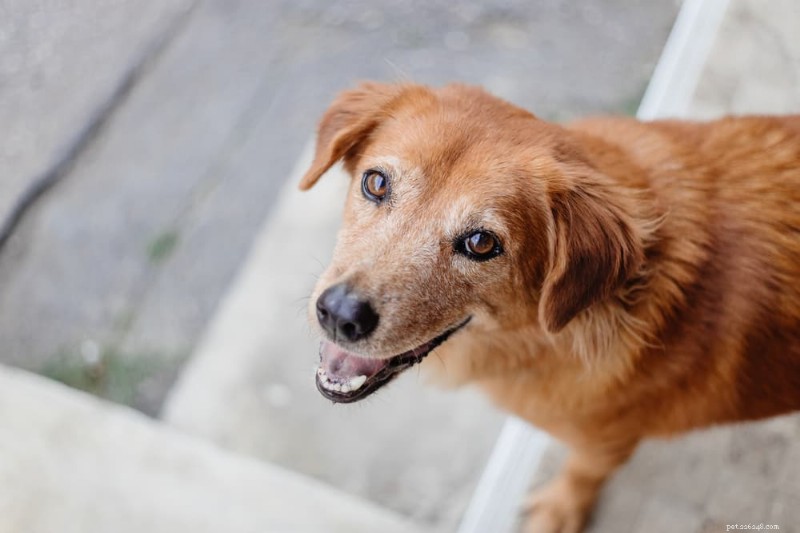
Before we define the look, we’ll examine the three primary smile‑like expressions identified by experts:
Nicholas Dodman, professor emeritus at Tufts University and chief scientific officer at the Center for Canine Behavior Studies, outlines:
- Submissive grin
- Aggressive expression
- Play face
Submissive Grin
In a submissive grin, a dog’s eyes shine, and the lips pull back, exposing teeth. Dodman notes, “It looks strikingly similar to a human smile.”
Aggressive Expression
A vertical lift of the lips, often with teeth exposed, signals threat. Dodman warns, “If a dog raises its lips in a north‑south direction, it can be a warning.”
Play Face
The play face features a gentle lip curl, a puffed cheeks, and other indicators of joy. Dr. Fadl adds that relaxed smiles—an open mouth with the tongue hanging out—are also common.
Why Do Dogs Smile?
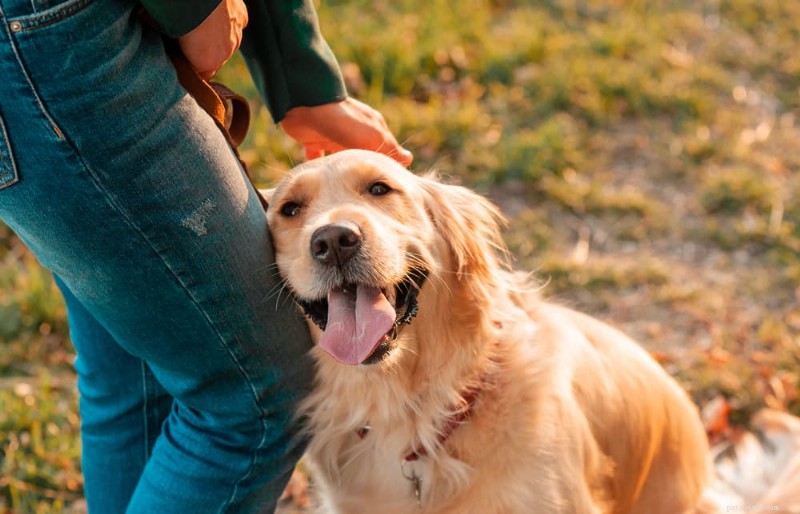
Each smile type carries a distinct message:
Submissive
A submissive grin signals deference: “Don’t worry, I’m not a threat,” Dodman explains. Dr. Caeiro links this to the “guilty dog” phenomenon, noting that owners often misinterpret a submissive grin as guilt when the dog is actually appeasing.
Aggressive
When a dog curls its lips upward, it’s a warning of potential aggression—lunge, snap, or bite. Dr. Caeiro stresses the importance of adults monitoring these cues, especially around children who may mistake them for friendly smiles.
Play
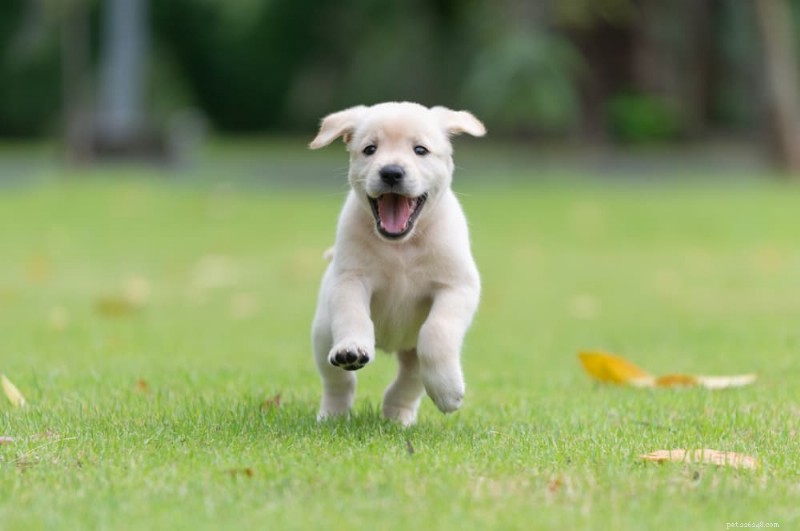
The play face invites play or greeting. Dr. Caeiro’s research shows it signals intent to play or welcome after a long absence.
Do Dogs Understand Smiles?
Research indicates dogs can read human emotional expressions. A 2015 study demonstrated dogs discriminate between happy, sad, and fearful human faces.
Dr. Caeiro says, “Dogs focus on our facial cues but also pay close attention to body language and voice tone.” Dr. Weaver believes dogs may intentionally mirror our smiles to communicate joy.
Smiling Dog: Tips and Advice
Read the Whole Body Language
Always consider other signals: a wagging tail, relaxed ears, and soft gaze usually mean happiness. Raised hackles, a stiff body, or avoidance suggest anxiety or fear.
Dr. Fadl advises consulting a veterinarian or animal behaviorist if you notice unusual behavior.
Manage Anxiety and Stress
If your dog shows signs of stress, remove them from the trigger, offer a calm walk, and provide treats away from the stressful environment. Never force a greeting if they’re anxious.
Each smile carries meaning. By learning to read the full context, you’ll strengthen the bond with your canine companion.
References
- Horowitz, A. “Disambiguating the ‘guilty look’: Salient prompts to a familiar dog behaviour.” Behavioural Processes, 81(3) (2009). https://doi.org/10.1016/j.beproc.2009.03.014
- Caeiro, C., Guo, K. & Mills, D. “Dogs and humans respond to emotionally competent stimuli by producing different facial actions.” Sci Rep 7, 15525 (2017). https://doi.org/10.1038/s41598-017-15091-4
- Mueller, C., Schmitt, K., Barber, A. & Huber, L. “Dogs Can Discriminate Emotional Expressions of Human Faces.” Current Biology (2015). https://www.cell.com/current-biology/fulltext/S0960-9822(14)01693-5?_returnURL=https%3A%2F%2Flinkinghub.elsevier.com%2Fretrieve%2Fpii%2FS0960982214016935%3Fshowall%3Dtrue
- Pet Behavior
- Pet Breeds
- Pet Names
- Pet Adoption
- Pet Training
- Pet Information
- Pet Health
- Adorable Pets
- Dogs
- New Year's Resolutions for You & Your Dog: Easy, Fun & Healthier Habits
- What It Means When Cats Blink Their Eyes: Decoding Their Gentle Signals
- Why Dogs Bury Bones: Insights Into Their Natural Instincts
- Preventing Chronic Kidney Disease in Cats: Expert Tips for Long, Healthy Lives
- Coping with Pet Loss: Practical Tips for Healing and Grief Recovery
- Long‑Tailed Grass Lizard: In‑Depth Profile of Behavior, Care, and Health
- 256 Distinctive Dog Names: A Curated List for Unique Male & Female Pups