

Why Do Dogs Sniff Each Other’s Butts? The Science Behind a Common Social Habit
In the realm of canine behavior, one of the most familiar yet puzzling actions is the ritual of sniffing another dog’s rear end. While it may seem odd to us, this behavior is a cornerstone of dog social interaction.
Is Sniffing Butts Normal for Dogs?
Yes—dogs sniffing each other’s butts is entirely normal and, in many cases, a sign of healthy socialization. Christine Pazdalski, a certified animal behaviorist and professional dog trainer based outside of Philadelphia, compares the gesture to a human handshake.
"This is their greeting. It’s not only normal, but it’s good social skills when you’re a dog. It’s what they’re supposed to do," says Pazdalski.
Not every dog engages in this behavior, and that isn’t a cause for concern. It simply reflects the level of socialization a dog has received. Early interruption by a human can discourage the instinct, and dogs that aren’t exposed to positive rear‑end sniffing may become uncomfortable with it later.
Why Do Dogs Sniff Each Other’s Butts?
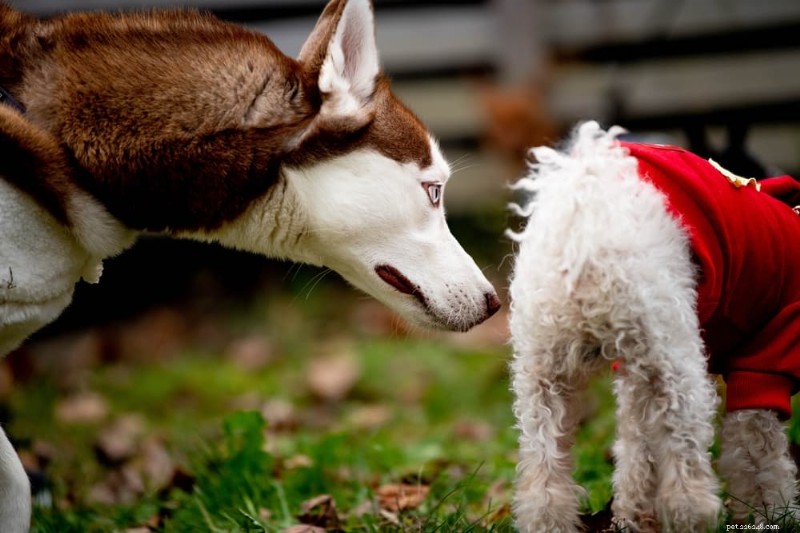
The analogy of a handshake extends to the canine world as a way to display non‑aggressive intent. However, the information conveyed is far richer.
What Information Is Relayed?
Dr. Leslie Sinn, a board‑certified veterinary behaviorist practicing outside Washington, D.C., explains that dogs have over 1,000 scent glands around the anal region, releasing a complex chemical signature. "A dog can learn a great deal from this—age, social status, reproductive readiness, physical condition, and even health status—" says Sinn.
Why Might a Dog Sniff a Human’s Rear?
Dogs naturally seek scent cues to understand their environment. When a dog approaches a human in this way, it is essentially trying to gather the same information. The behavior is harmless, but it can be awkward for guests or vulnerable people.
Pazdalski recommends redirecting the dog’s attention to a palm: “Place your hand at your side, palm up. Dogs can gather as much scent information from your palm as from a rear end. Reward the switch.”
When dogs encounter cats, the dynamic shifts. Cats are less accustomed to scent contact in this area and may react defensively if the dog persists. It’s best to allow the cat to establish boundaries first.
Managing Your Dog’s Sniffing Behavior
Healthy butt‑sniffing follows a predictable rhythm: the dogs approach from the side, circle, and exchange scents. A head‑on approach with steady eye contact can signal aggression and may lead to tension.
"If a dog isn’t comfortable, the best prevention is strong recall and the ability to redirect the dog’s focus," advises Pazdalski.
Use verbal cues such as “Sit,” “Stay,” or a simple “Leave it” to gently interrupt unwanted sniffing. Consistent training will reinforce appropriate social cues.
Additional Tips and When to Seek Help
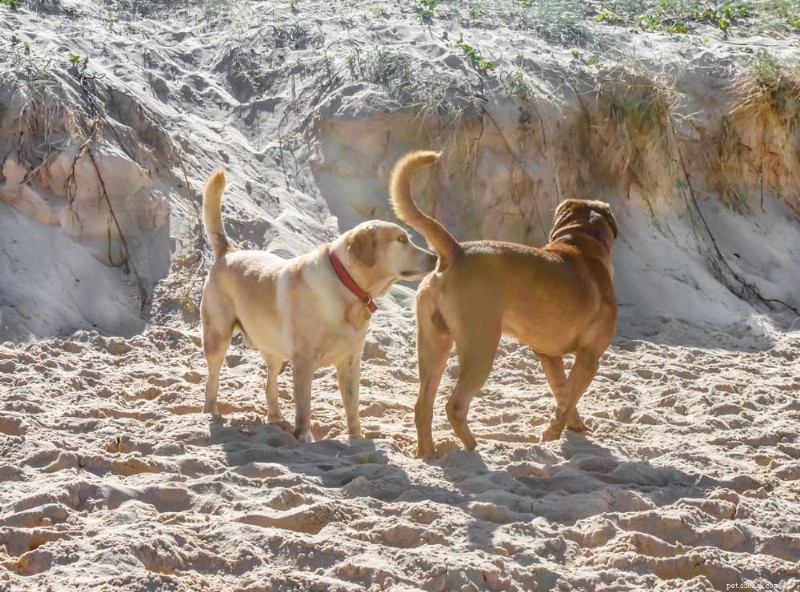
Dogs rarely sniff the butts of familiar companions, but they may do so after a separation to check for changes. Compulsive or aggressive sniffing—pursuing every dog relentlessly—may indicate underlying anxiety or frustration.
If the behavior is excessive or out of proportion to the situation, consider consulting a certified behaviorist for an anxiety evaluation. A calmer environment can help the dog adjust its sniffing to a more diplomatic level.
Overall, understanding the science behind this instinctive behavior empowers owners to guide their dogs toward respectful social interactions.
- Pet Behavior
- Pet Breeds
- Pet Names
- Pet Adoption
- Pet Training
- Pet Information
- Pet Health
- Adorable Pets
- Dogs
- Boost Productivity: The Business Case for Allowing Dogs in the Workplace
- Ezequiel Lavezzi Pays Tribute to Former Teammate: A Legacy Remembered
- Pain-Free Dog Nail Trimming: The Proven Peanut Butter Plate Method
- Quick & Safe Guide to Removing Dog or Cat Vomit From Your Carpet
- Discover the Savannah Cat: Features, Care, and Why They’re Instagram‑Famous
- Understanding Why Dogs React Negatively When You Return Their Licks
- Understanding Dog Heat Cycles: Proestrus and Estrus Behaviors (2022 Update)