

10 Signs of Dog Reactivity & Proven Training Strategies
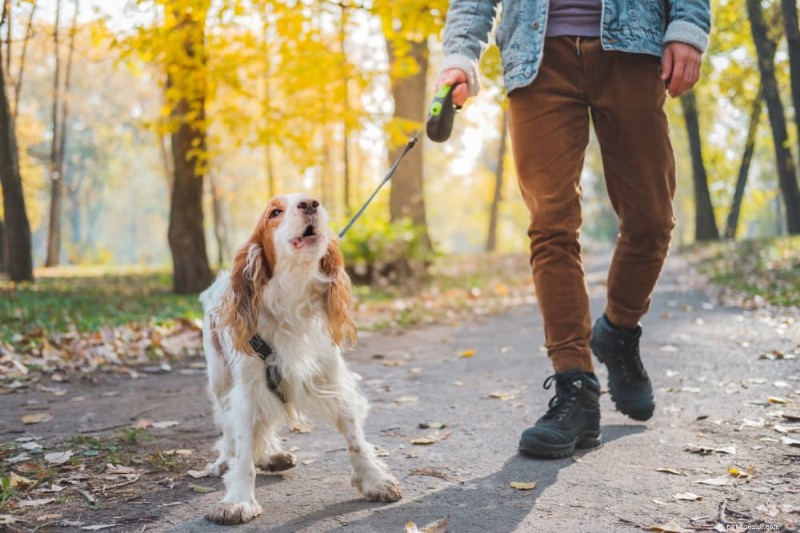
Walking in the evening, you might notice your dog fixate on a neighbor’s cat. While most dogs simply bark or glance, some go into a heightened state of alertness—straining on the leash, refusing to walk, or staring intently. Such an over‑reaction defines a reactive dog.
Reactivity isn’t a single behavior; it’s a spectrum of responses that can feel overwhelming for owners. The good news? With the right approach, you can transform a reactive dog into a calm, confident companion.
What Does “Reactive Dog” Mean?
All dogs notice and respond to stimuli—other dogs, strangers, loud noises, or moving vehicles. What separates a reactive dog is the intensity and duration of that response. A reactive dog’s reaction often seems disproportionate to the trigger, whether it’s the volume of barking, the length of a growl, or the duration of a stare.
Root Causes of Dog Reactivity
Pinpointing a single cause can be difficult, especially for rescue dogs with unknown histories. Common factors include:
- Breed‑inherited traits: Herding and working breeds are bred for high alertness, which can tip into reactivity.
- Lack of early socialization: Puppies that miss critical social experiences may grow up fearful and reactive.
- Negative experiences: Trauma or abuse can trigger fear‑based responses.
- Stressful environments: Shelter life or chaotic homes can heighten reactivity.
- Insufficient training: Dogs that haven’t learned impulse control may display frustration‑driven reactivity.
Common Triggers That Set Off Reactivity
Triggers for reactive dogs are similar to those that provoke any dog, but the response level is amplified. Sometimes the reactivity stems from frustration rather than fear—imagine a dog that can’t approach a target and bursts into barking.
- People (especially unfamiliar faces or children)
- Vehicles (cars, bicycles, skateboards)
- Other animals (other dogs, cats)
- Leashes (the restriction itself can trigger tension)
- Unexpected sights (new objects, moving trash cans)
- People approaching the home (delivery drivers, service animals)
10 Signs Your Dog Is Reactive
Recognizing the early signals is essential before a situation escalates. Key indicators include:
- Barking or growling
- Lunging or sprinting
- Spinning or circling
- Hyper‑focus on a target
- Whining or howling
Even though these behaviors can appear aggressive, reactivity is often rooted in fear or frustration. Left unchecked, reactivity can evolve into aggression, underscoring the need for timely intervention.
Subtle Early‑Warning Signals
Many reactive dogs first display subtle stress cues. Spotting these early signs lets owners adjust the environment before a full‑blown reaction.
- Yawning: Often prolonged and repeated—an attempt to calm tension.
- Frequent lip licking (“lizard tongue”): A quick, hard‑to‑miss sign of discomfort.
- Sudden changes in panting: Starting or stopping abruptly, unrelated to temperature.
- Fixation: A dog that won’t look away from the trigger is on the brink of a flare‑up.
Training a Reactive Dog: Practical Tips
Because reactive behavior can turn aggressive, it’s critical to start training as soon as you notice the signs. Positive‑reinforcement methods that respect the dog’s pace remain the gold standard.
Control the Environment
Minimize exposure to known triggers. For instance, keep your pup in a quiet room with a puzzle toy when delivery trucks are passing, or schedule walks after the trash day to avoid truck noise.
Anticipate Triggers
Understanding your dog’s “buffer zone” helps keep the dog below the reactivity threshold. Consider:
- Distance from the trigger
- Speed and sound level of moving objects
- Number of simultaneous triggers
- Activity level of the stimulus (walking, running, etc.)
Employ Counter‑Conditioning & Desensitization
These evidence‑based techniques pair a trigger with something the dog loves—like a favorite treat—to reshape emotional responses. Because the process can be nuanced, working with a certified positive‑reinforcement trainer is highly recommended.
Rule Out Medical Causes
Sudden changes in behavior may signal health issues. Schedule a veterinary check‑up if you suspect a medical cause.
Living with a reactive dog can feel frustrating, but with a clear plan—identifying triggers, managing the environment, and using science‑backed training—you can guide your dog from anxiety to calm companionship.
- Pet Behavior
- Pet Breeds
- Pet Names
- Pet Adoption
- Pet Training
- Pet Information
- Pet Health
- Adorable Pets
- Dogs
- Essential Guide: Safe & Harmful Foods for Your Dog
- Why Do Dogs Sleep So Much? Understanding Their Rest & Health
- Yorkie-Pin: A Comprehensive Guide to the Toy Dog Breed
- What Do Baby Tarantulas Eat? A Guide to Feeding Newborn Tarantulas
- Effective Tick Repellents for Dogs: Which Essential Oils Work Safely
- The Record‑Holding Green Anaconda: Heaviest Snake on Earth
- Dog Scooting Explained: How to Relieve Your Dog’s Anal Gland Discomfort