

Why Won’t My Dog Jump Anymore? Expert Causes & Solutions
All featured products are chosen at the discretion of the GreatPetCare editorial team and do not reflect a direct endorsement by the author or reviewer.
Dogs are naturally drawn to close contact with their favorite humans. Whether it’s a tiny Chihuahua or a towering Great Dane, most breeds instinctively try to get closer to their owners by leaping onto laps, chairs, or any elevated surface you occupy.
“Dogs evolved from wolves who realized that humans provide reliable food and shelter,” explains Dr. Julie Albright, DVM, veterinary behaviorist and associate professor at the University of Tennessee College of Veterinary Medicine. “Over 100,000 years, we’ve developed a strong mutual bond, and dogs want to be near us—especially when we sit on plush, raised furniture.”
Dog Jumping: What’s Normal?
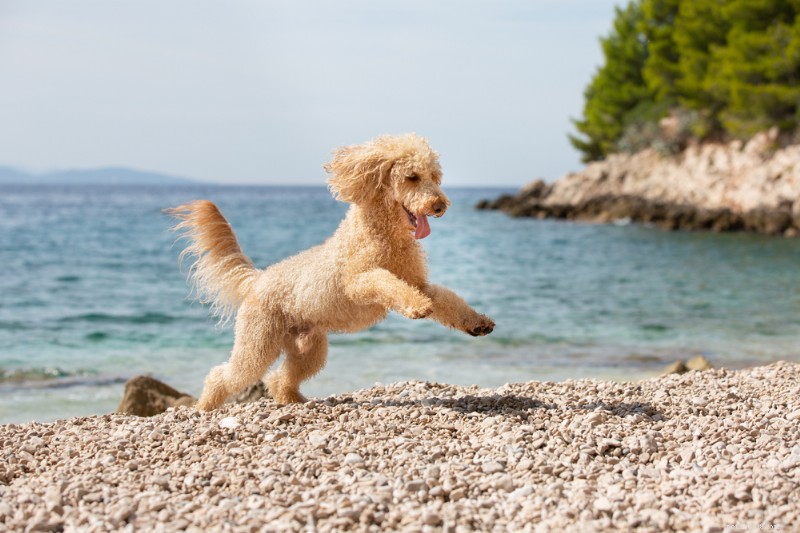
When a dog jumps, the hind legs generate the power, while the forelimbs absorb the impact. Amy Campbell, CPDT‑KA, certified professional dog trainer, notes that a healthy dog uses its shoulders, elbows, and wrists to cushion the landing. Energy level and breed size influence how often a dog jumps: smaller breeds often hop onto furniture more frequently than larger ones because they need a higher perch to access people and objects.
Why Isn’t My Dog Jumping? 5 Potential Reasons
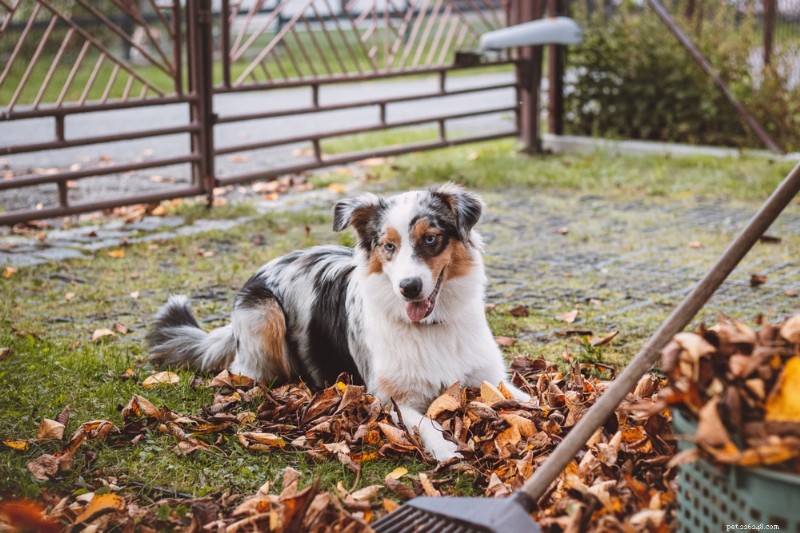
If you notice a sudden or gradual decline in your dog’s jumping, it may signal an underlying issue. Below are five common causes and what to watch for:
1. General Pain
Dogs rarely refuse to jump unless pain is involved. Pain in the back, feet, or legs can make the effort of leaping uncomfortable. A brief period of rest—five to seven days—often resolves mild strains or sprains. If symptoms persist, a veterinarian can perform a physical exam, X‑ray, or other diagnostics. When a clear cause isn’t found, a certified veterinary physical therapist can design a rehabilitation plan to restore strength and mobility.
2. Arthritis Pain
Osteoarthritis is common in older dogs but can affect any age. Symptoms include stiffness, reluctance to jump, or difficulty standing up. Diagnosis typically involves a physical exam, X‑rays, and sometimes blood work. Early treatment—often including NSAIDs like Carprofen, Meloxicam, or Galliprant—can reduce inflammation and improve quality of life.
3. Fatigue
Exhaustion from a long walk, vigorous play, or a hard day can make a dog less inclined to jump. A single episode usually resolves after rest. Persistent reluctance beyond a day or two warrants a vet visit to rule out other causes.
4. Excess Weight
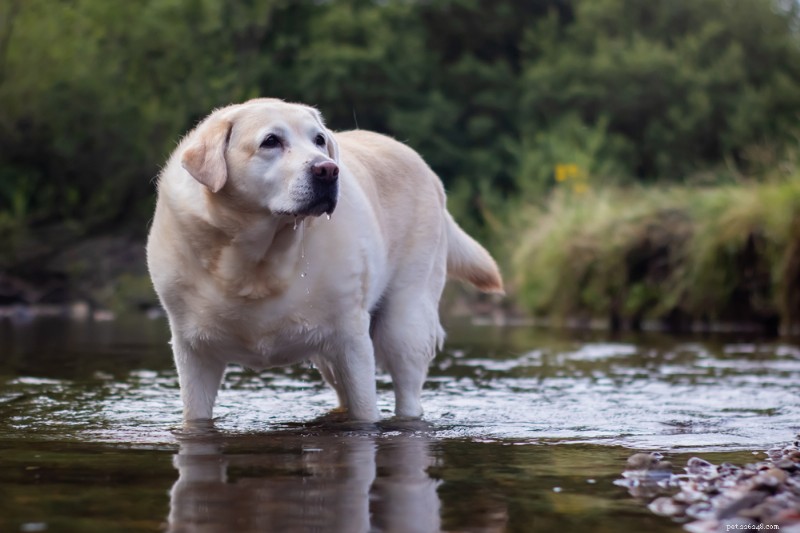
Obesity places extra strain on joints, making jumping painful or difficult. The American Veterinary Medical Association reports that many large‑breed dogs have a body condition score (BCS) of 7 or higher—above the ideal range of 5. A BCS can be assessed by a veterinarian and helps determine if weight loss is needed. Rather than relying solely on package labels, use a scale and consult your vet for a tailored diet plan.
5. Fear or Anxiety
Behavioral factors can also curb jumping. A dog that hesitates to climb into a car may be fearful of the ride or the destination (e.g., vet visits). If the reluctance is confined to one location, a single negative experience could be the culprit. Once medical issues are ruled out, a trainer or behaviorist can work with you to rebuild confidence in that setting.
What to Do About Dog Jumping Changes
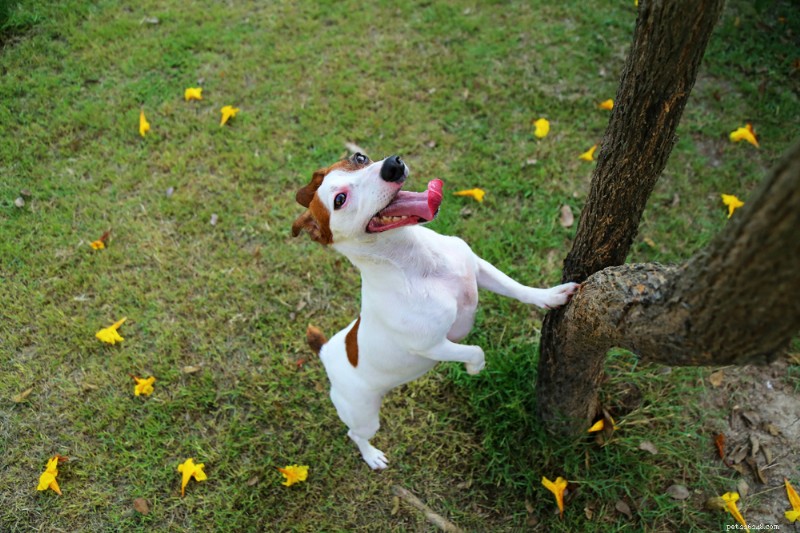
Healthy jumping requires confidence, sound health, and stable surfaces. If your dog’s refusal to jump isn’t linked to a change in environment, focus on their physical condition and psychological well‑being. Observe for patterns: Does the hesitation appear at specific times, activities, or locations? Are there accompanying signs such as limping, whining, or appetite loss?
Gathering this information helps your veterinarian or behaviorist pinpoint the root cause and craft an effective treatment plan. If the behavior persists, contact a professional within a week—delaying care can worsen underlying problems.
For pain management, your vet may prescribe NSAIDs such as Carprofen, Meloxicam, or Galliprant. If excess weight is identified, a prescription weight‑loss diet combined with supervised exercise can help restore jumping ability. Adding stairs or ramps can also reduce joint stress for older or small‑breed dogs.

With the right diagnosis, treatment, and supportive measures, most dogs regain their playful leaps and continue to enjoy close, joyful moments with their owners.
- Pet Behavior
- Pet Breeds
- Pet Names
- Pet Adoption
- Pet Training
- Pet Information
- Pet Health
- Adorable Pets
- Dogs
- 5 Proven Steps to Stop Unwanted Dog Behavior Quickly
- Can Dogs Experience Kindness? Insights from Recent Studies
- How Advanced Kidney Failure Affects Dogs: What Owners Need to Know
- Adopting a Dog with Behavioral Challenges: Tips & Guidance
- Activated Carbon in Aquarium Filters: Benefits, Placement, and Myths Debunked
- Is a Dog Heating Pad Right for Your Pet? A Guide to Benefits & Safety
- Can Peanut Butter Benefit Your Dog? A Safe Guide