

The Ultimate Lhasa Apso Guide: Care, Traits & Training
Disclaimer: This post may contain affiliate links. We may earn money or products from the companies mentioned.
Looking for a small, portable companion who can travel with you? The Lhasa Apso may be the right choice. These independent, intelligent dogs thrive with a strong, consistent leader. While they can be adorable, they are not passive lap dogs and require firm training and ongoing socialization.
I have owned three Lhasa Apso dogs, two rescues with behavioral challenges and one puppy from a reputable breeder. My experience has taught me that a Lhasa’s independence can become an advantage when they receive proper guidance.
1. Lhasa Apso: An AKC Nonsporting Group Breed
The breed was first registered by the American Kennel Club in 1935 as a terrier, but in 1959 it was reclassified to the Nonsporting Group. Lhasa Apso dogs are intelligent, strong‑willed, and naturally wary of strangers.
2. Low Exercise Needs, but Energetic
Daily walks and short play sessions keep a Lhasa fit. They enjoy running in a fenced yard and can accompany owners on light hikes, provided the temperature remains moderate. Mental stimulation—puzzle toys, obedience work—is essential to prevent boredom‑related behavior.
3. Historical Watchdog Heritage
Originating from Tibet, the Lhasa Apso served as monastery guardians. Known as the “Bark Lion Sentinel,” they were prized for their protective instincts. The first Lhasa pair to reach the U.S. were gifted by the 13th Dalai Lama to explorer C. Suydam Cutting in 1933.
4. Grooming Demands and Costs
With a dense double coat, Lhasa Apso require daily brushing when kept long. A puppy cut reduces maintenance, but still needs brushing every other day. Professional grooming can be costly; learning to trim at home saves money in the long run. Regular nail trims, ear cleaning, and dental care are also vital.
5. Low Shedding & “Hypoallergenic” Qualities
They shed little and can be a good choice for allergy sufferers if groomed consistently.
6. Color Variety
- Black
- Black and tan
- Tan
- Cream
- Golden
- Grizzle
- Red
- Red‑gold
- White
- Blue, charcoal, gray, liver, silver (non‑standard)
- Markings: black mask, brindle, parti‑color, sable, white accents
7. Independent & Protective Temperament
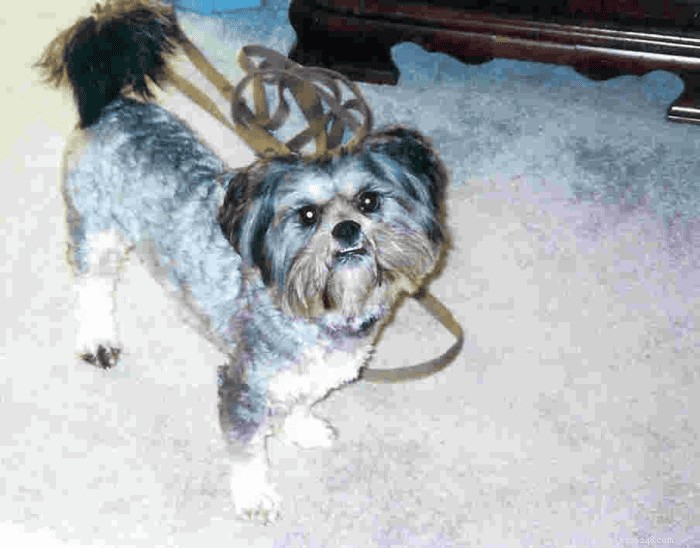
While they appear cute, Lhasa Apso are independent and can be protective. They need early, consistent socialization to avoid excessive guarding. They are not as naturally friendly as Golden Retrievers or Labradors.
8. Excellent Travel Companion
Small and adaptable, they thrive on car rides and travel. Early exposure to vehicles prevents motion sickness. Use a well‑fitted harness to protect the trachea.
9. Size and Weight

- Males: 10–11 inches at the shoulder
- Females: slightly smaller
- Weight: 12–18 lbs
10. Versatile Living Environments
With proper training, they can live in apartments, houses, or rural settings. Quiet environments reduce unnecessary barking.
11. Interaction with Children and Other Dogs
Not ideal for toddlers; they respect older, gentle children. With proper socialization, they can coexist peacefully with other friendly dogs.
12. Longevity
Average lifespan: 12–15 years. Some live into their late teens with proper care.
13. Health Considerations
Reputable breeders reduce risks. Common conditions include:
- Inherited kidney dysfunction
- Dry eye, corneal ulcers, cataracts, glaucoma
- Progressive retinal atrophy (PRA)
- Patellar luxation, hip dysplasia
- Cherry eye, allergies, sebaceous adenitis, pigmentary keratitis
- Hemorrhagic gastroenteritis (HGE), hernias
- Bladder stones
14. Short Muzzle‑Related Issues
May snore, reverse sneeze, or suffer heat exhaustion. Keep hair trimmed around the eyes to reduce irritation.
15. House‑Training Challenges
Consistency and patience lead to success. Some owners use potty pads for convenience.
16. Early and Ongoing Socialization
Critical to prevent overprotectiveness. Introduce new people, animals, and environments from puppyhood.
17. Firm, Fair Training Is Essential
They are intelligent but not naturally obedient. Use positive reinforcement, short sessions, and make training enjoyable so they feel it’s their idea.
18. Reliable Recall
Teach a non‑negotiable recall using high‑value treats and praise.
19. Drop/Release Cue
Prevent resource guarding by teaching a clear drop or leave cue.
20. Versatility in Activities
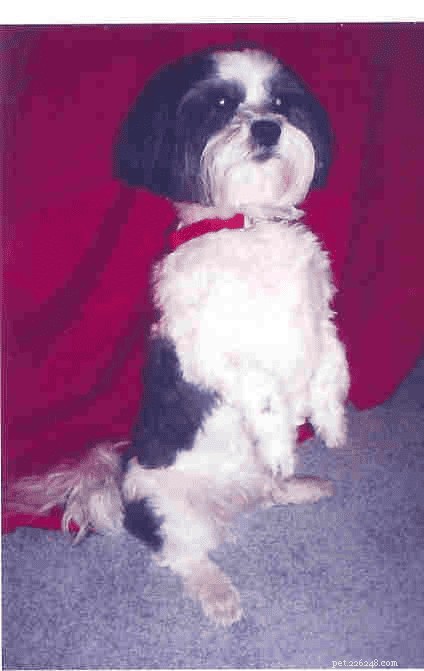
They excel in agility, tricks, rally, scent work, and even competitive obedience.
21. Cost
Prices start around $1,300, varying by location and quality.
22. Popularity
Ranked 86th among 287 AKC breeds.
23. Fun Facts
- Often gifted in pairs to bring luck.
- Notable owners include Jane Lynch, Ellen DeGeneres, Gwen Stefani, Elizabeth Taylor, Kurt Vonnegut, and Liberace.
- Their independent spirit is affectionately called “Lhasa‑tude.”
24. Resources to Find a Quality Lhasa Apso
- Rescue: Lhasa Happy Homes, Lhasa Apso Rescue, Lone Star Shih Tzu & Lhasa Apso Rescue
- Breeder referrals: American Lhasa Apso Club, American Kennel Club
FAQs
Can a Shih Tzu and a Lhasa Apso live together?
Yes, if both dogs are well‑socialized and the Lhasa comes from a reputable source. Rescues often match dogs before placement.
Do Lhasa Apso require professional grooming?
Daily brushing is essential. If you choose not to groom at home, expect higher costs for professional services.
Are Lhasa Apso suitable for families with young children?
They are best suited for older, respectful children. Toddlers may inadvertently cause stress or injury.
Final Thoughts
For the right owner, a Lhasa Apso can be a loyal, playful companion. Their independence, protective nature, and grooming demands mean they thrive with a firm, knowledgeable owner.
Considering adding a Lhasa Apso to your family? Let us know in the comments.
Top Picks for Our Puppies
- BEST DOG CHEW
We Like: Beef Collagen Sticks – loved by pups for chewing. - BEST PUPPY TOY
We Like: Calmeroos Puppy Toy w/ Heartbeat and Heat Packs – eases new‑home anxiety. - BEST DOG TREATS
We Like: Crazy Dog Train‑Me Treats – high‑value for training. - BEST FRESH DOG FOOD
We Like: The Farmer’s Dog – fresh food, 50% off first order.
Check out more of our favorites on our New Puppy Checklist.
Debbie DeSantis
CPDT‑KA, Certified Professional Dog Trainer and Behavior Specialist. Winner Channel 17's Philly Hot List #1 Dog Trainer. Debbie has over 24 years of experience training nationally ranked dogs in obedience, rally, agility, trick, and therapy categories.
- Pet Behavior
- Pet Breeds
- Pet Names
- Pet Adoption
- Pet Training
- Pet Information
- Pet Health
- Adorable Pets
- Dogs
- 2022 Canada Deer Collision Report: 11 Key Incidents & How Many Deer Were Struck
- Research Reveals 276 Distinct Facial Expressions in Cats
- Is Flan Safe for Cats? 7 Risks & Safer Treat Alternatives
- Why Your Live Rock Turns White—and How to Fix It
- Top 10 Safe Rawhide Alternatives for Dogs – 2024 Guide
- Do Cats Experience Grief? Understanding Their Emotional Response to Loss
- 4 Common Cat Health Issues You Should Watch For