

18 Quiet Dog Breeds That Won’t Bark Excessively
 juanma hache/Getty Images
Choosing a Calm Companion
Dogs bring joy, but frequent barking can be a challenge—especially in apartments or close‑quartered homes. If you’re seeking a companion that speaks in whispers rather than shrieks, a quiet breed may be the ideal fit. Reader’s Digest consulted three seasoned dog training and behavior experts to compile a list of breeds that, on average, bark less often. While no dog is completely silent, these breeds are known for their restrained vocalizations when trained and well‑cared for.
“Some breeds naturally bark more because barking served a purpose in their original work—herding, hunting, guarding,” explains Dr. Caroline Coile, PhD, author of Barron’s Encyclopedia of Dog Breeds. “A herding dog, for instance, uses a bark to move sheep, while a beagle’s bark alerts hunters to its location.” Other breeds simply enjoy the attention that barking can bring.
Even with quieter breeds, Megan Stanley, CPDT‑KA, CBCC‑KA, owner of Dogma Training, cautions that “barking is best prevented through positive training, sufficient physical and mental exercise, and overall well‑being.” With the right approach, these breeds tend to stay within the quiet range.
Subscribe to Reader’s Digest’s Read Up newsletter for weekly insights on pet care, travel, tech and more.
Expert Team
- Megan Stanley, CPDT‑KA, CBCC‑KA – Founder & president of Dogma Training & Academy, 20+ years in dog training.
- Donna Culbert, CPDT‑KA – Dog trainer, animal behaviorist, former canine coordinator at Scituate Animal Shelter, owner of Donna’s Do Right Dogs.
- Jim Lessenberry – Animal behaviorist at Animal Learning Systems, 30+ years in pet behavior.
 De Repente/Shutterstock
Basenji
Often dubbed the “barkless dog,” the Basenji’s unique larynx anatomy limits its barking ability. Instead, they communicate through a distinctive yodel or chortle—an endearing sound that’s far less disruptive than a howl.
Stanley notes, “Basenjis are intelligent, energetic, and require consistent training and ample exercise to thrive.” Their vocal profile makes them suitable for families and apartment dwellers alike.
 Jim Craigmyle/Getty Images
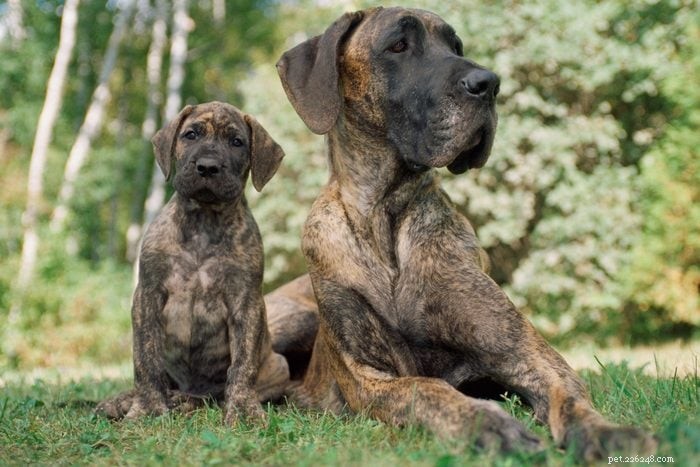
Great Dane
Despite their massive size—males can reach 200 pounds—the Great Dane is a gentle giant that rarely barks. Stanley highlights, “They are people‑pleasers, calm by nature, and respond well to training.” Their deep, occasional bark is more of a friendly alert than a nuisance.
 Everita Pane/Shutterstock
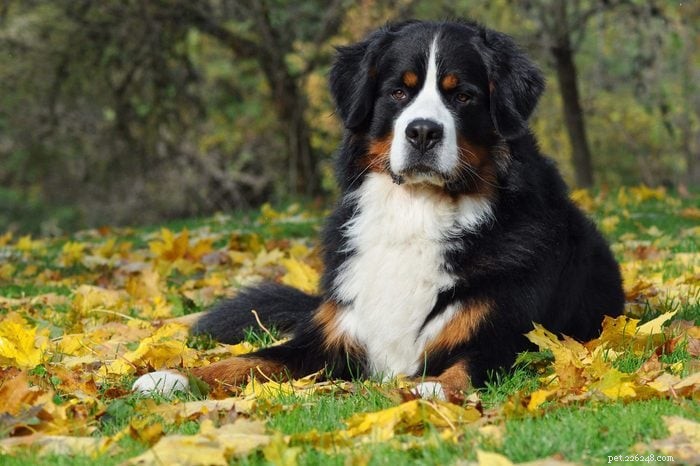
Bernese Mountain Dog
Known for their placid temperament, Bernese Mountain Dogs are loyal, child‑friendly, and rarely vocal. Their calm demeanor makes them an excellent choice for families seeking a quiet, affectionate companion.
 Anita Kot/Getty Images
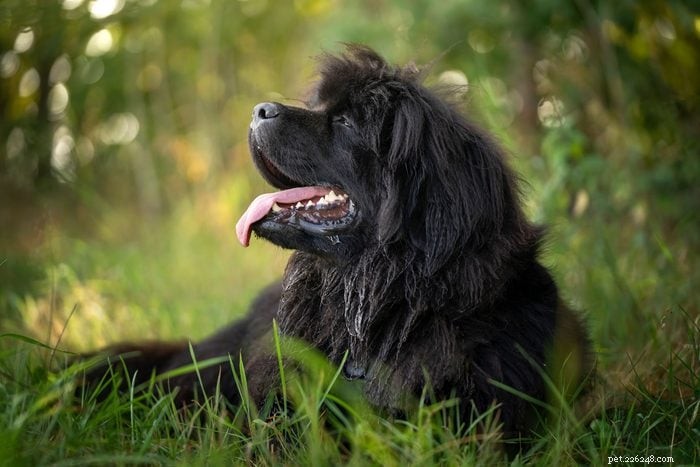
Newfoundland
Large yet gentle, Newfoundlands are natural lapdogs—when not near water, they prefer a cozy spot on your sofa. Their quiet nature and love of children earned them the nickname “nanny dog.” They rarely bark, making them ideal for households with kids or older adults.
 Kim Christensen/Shutterstock
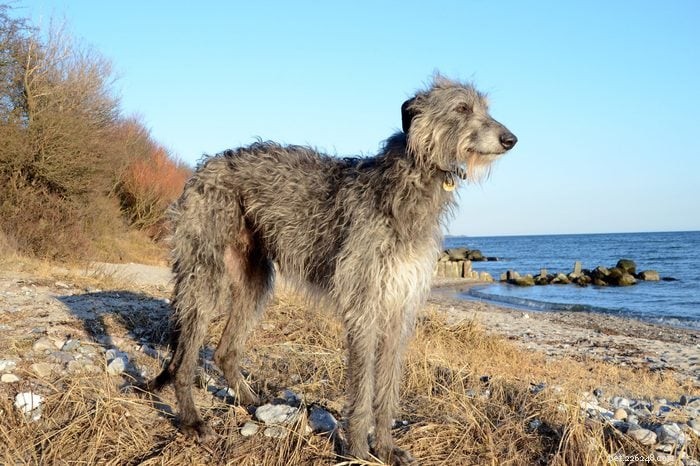
Scottish Deerhound
With a coat of coarse hair and a dignified stance, the Scottish Deerhound is a quiet, well‑behaved companion. Its gentle, dignified nature makes it suitable for those who value calmness and poise in a pet.
 Runa Kazakova/Shutterstock
Bulldog & French Bulldog
Both breeds are playful, love naps, and tend to keep barking to a minimum. Stanley notes, “They’re great binge‑watching partners—just watch for their occasional snorts and snores.” French Bulldogs, in particular, are among the smallest breeds that maintain a quiet disposition.
 Sue Thatcher/Getty Images
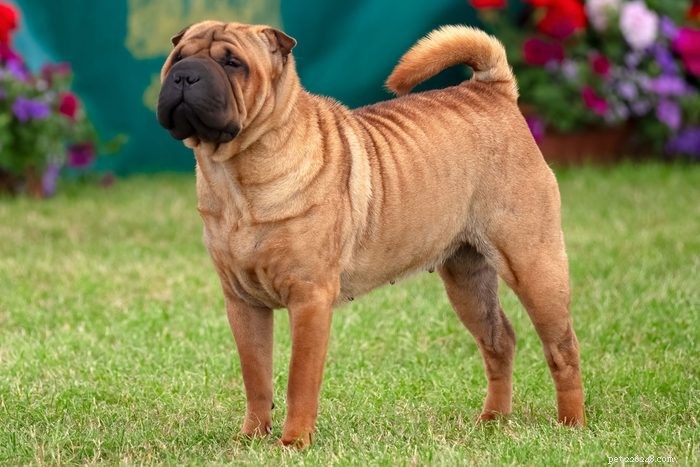
Chinese Shar‑Pei
Famous for their wrinkled faces, Shar‑Peis are calm around family but can be wary of strangers. Early socialization is key to preventing defensive barking and ensuring they remain a peaceful household member.
 Wavetop/Getty Images
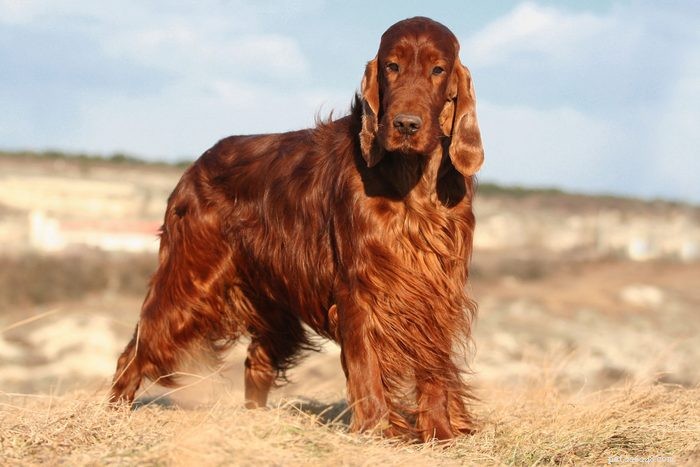
Irish Setter
With striking red coats and vibrant energy, Irish Setters are active yet rarely bark. Stanley advises, “Provide ample exercise and mental stimulation to keep them focused and quiet.” Their spirited nature doesn’t translate into frequent vocalization.
 Anita Kot/Getty Images
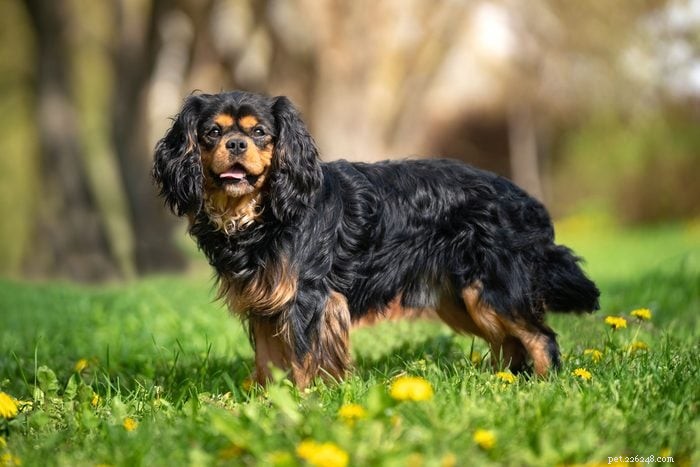
Cavalier King Charles Spaniel
Small, affectionate, and quiet, Cavaliers thrive on companionship. Stanley points out, “They can develop separation anxiety, which may lead to barking—early socialization and gradual independence training mitigate this.” Their gentle demeanor suits seniors and families alike.
 Lourdes Balduque/Getty Images
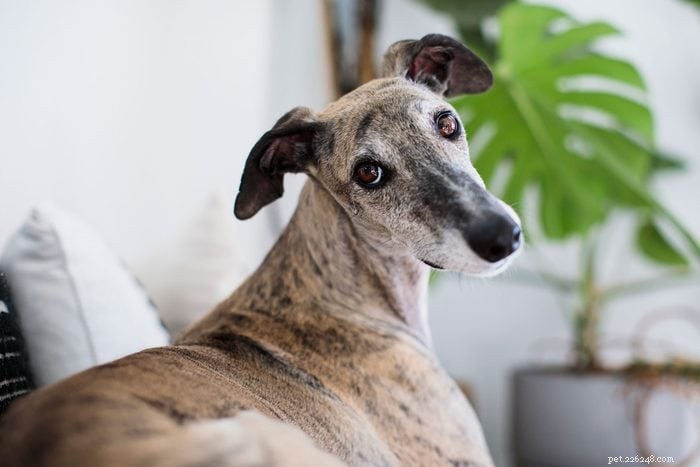
Greyhound
As part of the sighthound family, Greyhounds are naturally quiet, even during play. Stanley highlights, “They’re perfect for apartments—low energy indoors, gentle, and rarely bark.” Their calmness extends to their independent nature.
 juanma hache/Getty Images
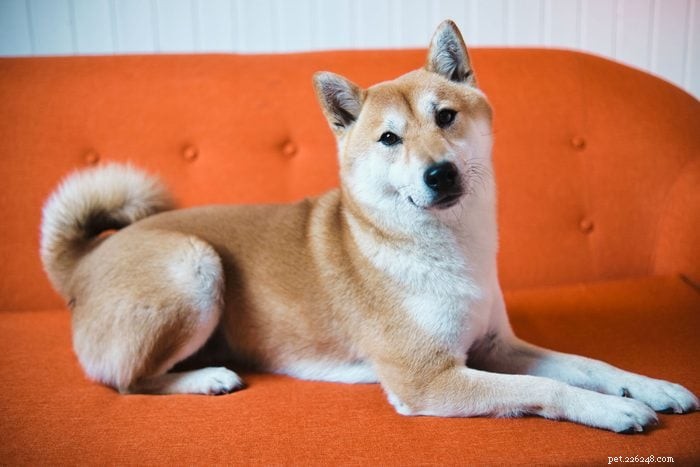
Shiba Inu
Originating from Japan, Shiba Inus are independent, intelligent, and generally reserved around strangers. Trainer Donna Culbert notes, “They rarely bark unless excited or upset, making them a good fit for those who prefer a quiet companion.”
 everydoghasastory/Shutterstock
Coton de Tulear
Known for their silky white coats, Cotons are playful yet typically quiet. Culbert cautions, “They dislike being left alone, so owners should keep them nearby to avoid vocalization.”
 Grisha Bruev/Shutterstock
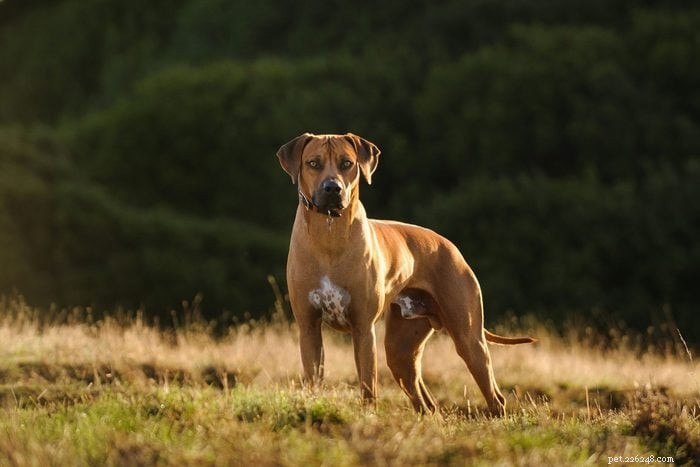
Rhodesian Ridgeback
Recognizable by their distinctive ridge, Rhodesian Ridgebacks were bred as farm dogs with a calm demeanor. While quiet, they possess a strong prey drive; owners should be prepared for their hunting instincts.
 Maja Marjanovic/Shutterstock
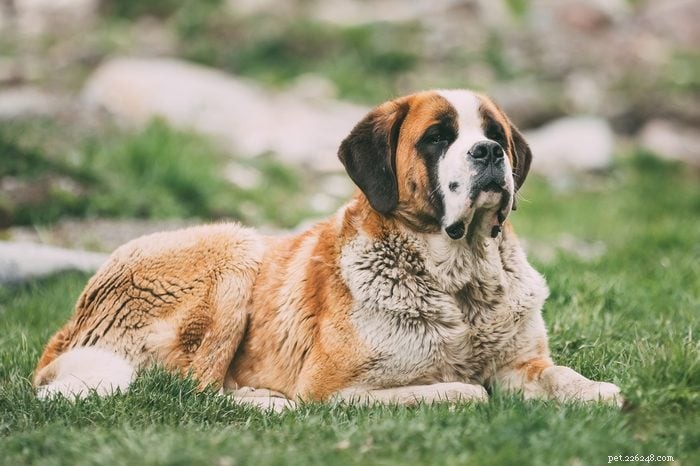
Saint Bernard
Saint Bernards are gentle, protective, and typically quiet. Lessenberry states, “They bark mainly to alert the family or to seek attention—rarely for frivolous reasons.”
 LiuMeiLi/Getty Images
Chow Chow
These ancient guardians were bred for calmness and independence. Lessenberry notes, “They may issue a sustained alert when confronted by a stranger, but otherwise remain quiet.”
 Anastasiia Cherniavskaia/Shutterstock
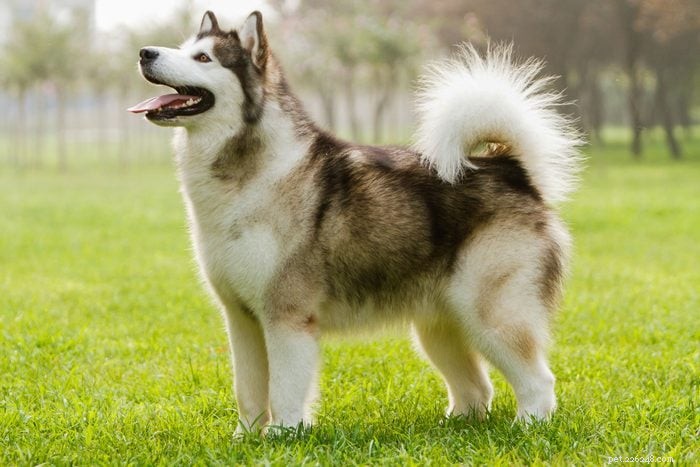
Alaskan Malamute
As a “basal” breed, the Alaskan Malamute’s quietness historically helped them avoid predators. Lessenberry warns, “While they’re family‑friendly, they can pose a predatory risk to small animals or children.”
 Waldek Dąbrowski/Getty Images
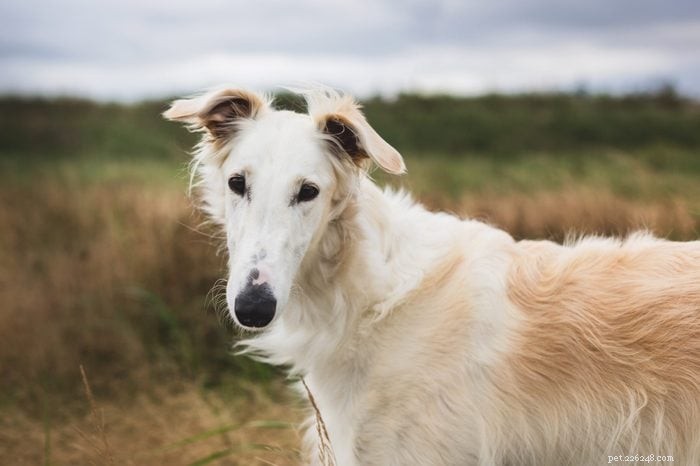
Borzoi
Part of the sighthound family, Borzois are graceful and typically silent unless provoked. Their calm temperament and speed make them a striking, quiet companion.
 Unknown
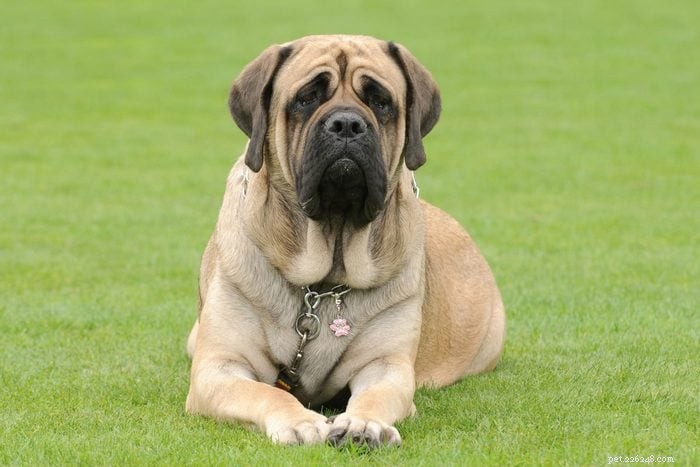
Mastiff
Mastiffs and related breeds—such as the Great Dane, Rottweiler, and Boxer—are powerful, serious, and rarely bark when on duty. Lessenberry cautions, “They’re not for first‑time owners and require experienced handling.”
Why Trust Us
Reader’s Digest dedicates itself to producing reliable, expert‑reviewed content. Our team—led by Lisa Marie Conklin and vetted by award‑winning journalist Dr. Caroline Coile—ensures every fact is accurate, sourced, and current. We routinely update our articles to maintain the highest standards of trustworthiness.
Sources
- Megan Stanley, CPDT‑KA, CBCC‑KA – Dogma Training & Academy; interview, November 2019
- Donna Culbert, CPDT‑KA – Donna’s Do Right Dogs; interview, November 2019
- Jim Lessenberry – Animal Learning Systems; interview, November 2019
- Dr. Caroline Coile, PhD – Barron’s Encyclopedia of Dog Breeds; interview, January 2024
- Pet Behavior
- Pet Breeds
- Pet Names
- Pet Adoption
- Pet Training
- Pet Information
- Pet Health
- Adorable Pets
- Dogs
- 5 Proven Ways to Protect Your Dog from Heat Stroke
- Top Medium-Sized, Low-Shedding Dogs for Calm Home Life
- How to Tell the Difference Between Playful Dog Fighting and Real Conflict
- Professional Guide to Cleaning Your Dog’s Wound Safely and Effectively
- Are Oranges Safe for Cats? Understanding the Risks and Alternatives
- 6 Essential Steps to Help Your Newly Adopted Rescue Dog Thrive
- How Tractable Are Rottweilers? Training Tips & Insights