

Alaskan Malamutes: Legendary Arctic Workhorses Built for Endurance
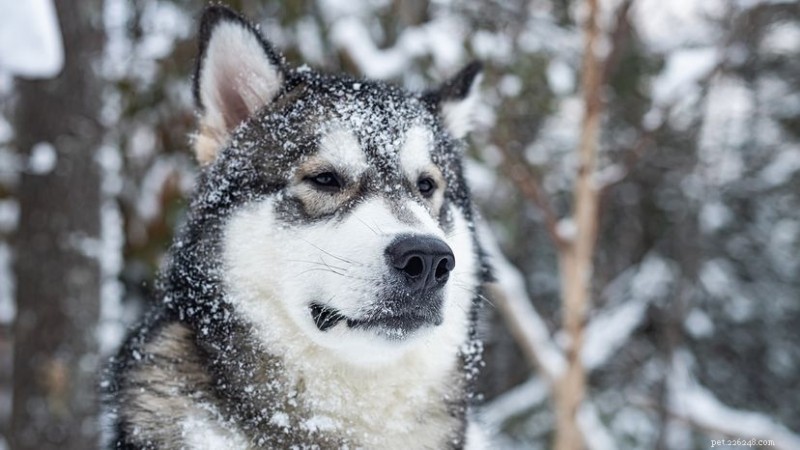
Few dog breeds embody Arctic adventure like the Alaskan Malamute. Renowned as one of the oldest sled‑dog breeds, Malamutes were engineered for stamina, strength, and mastery of snowy terrain.
With a deep chest, thick coat and an affectionate temperament, Malamutes have long been the heavy‑duty workhorse of the North.
A True Arctic Sled Dog
Originally bred by the Inuit of Alaska for heavy freighting over long distances, Malamutes served as seal hunters, supply carriers, and load haulers. Today, they still compete in sledding and weight‑pulling events, showcasing their powerful build and enduring stamina.
Physical Traits and Temperament
Purebred Alaskan Malamutes typically weigh 75–85 lb (34–39 kg), with males leaning toward the upper end. They feature almond‑shaped brown eyes, erect ears, and a dense, plush coat in colors such as sable, gray, or red.
Highly intelligent and loyal, these active dogs thrive as family pets for owners who can provide ample space and training time.
Training and Socialization
As pack animals, Malamutes respond best to firm but loving guidance. Early obedience training is essential to channel their strength and independence; first‑time owners should be prepared for a challenge.
They are social by nature but should be introduced cautiously to other dogs and pets to prevent dominance issues.
Health Considerations
Common hereditary conditions include hip dysplasia, eye problems such as day blindness, and primary ciliary dyskinesia, which affects the respiratory system and nervous system. Additional concerns are:
- Hypothyroidism – can cause weight gain, lethargy, and coat issues
- Chondrodysplasia – a genetic disorder affecting bone development
- Inherited polyneuropathy – peripheral nerve disease leading to weakness and coordination problems
- Gastric dilatation‑volvulus (bloat) – a life‑threatening condition that requires emergency care
Responsible breeders conduct early screenings and genetic testing to reduce disease risk. Regular veterinary check‑ups enable early detection and management.
Nutrition should focus on high‑quality commercial dog food or vet‑approved human foods in moderation, tailored to the dog’s age, activity level, and health status.
Grooming
Alaskan Malamutes have a dense double coat that sheds continuously and more heavily in the spring and fall. Weekly brushing with a metal comb and pin brush helps manage loose fur and keeps the coat pristine. During shedding seasons, daily brushing may be necessary.
Recognition and Breeding
The American Kennel Club recognizes the Malamute, and the Alaskan Malamute Club promotes breed standards, responsible breeding, and educational resources. When adding a Malamute to your family, choose an ethical breeder who prioritizes health and temperament.
Malamutes vs. Siberian Huskies
While often compared to the Siberian Husky and Greenland Dog, the Malamute is larger, more muscular, and bred for strength rather than speed. Both share a wolfish appearance and northern heritage, but they remain distinct breeds.
- Pet Behavior
- Pet Breeds
- Pet Names
- Pet Adoption
- Pet Training
- Pet Information
- Pet Health
- Adorable Pets
- Dogs
- 76 Charming Chicken Names to Delight Your Feathered Friends
- Mastering Cane Corso Training: Expert Tips for a Balanced Guard Dog
- How to Make Your Cat Love Lap Sitting: Proven Techniques
- Understanding Why Dogs Mimic Each Other and How to Manage It
- Budgies and Finches: How to Ensure They Coexist Harmoniously
- Choosing the Right Diet for Your Blue‑Nose Pit Bull: Nutrition Tips & Recommendations
- 12 Essential Tips for a Safe and Enjoyable Dog Camping Adventure