

What Do You Call a Group of Spiders? Exploring Spider Collective Nouns
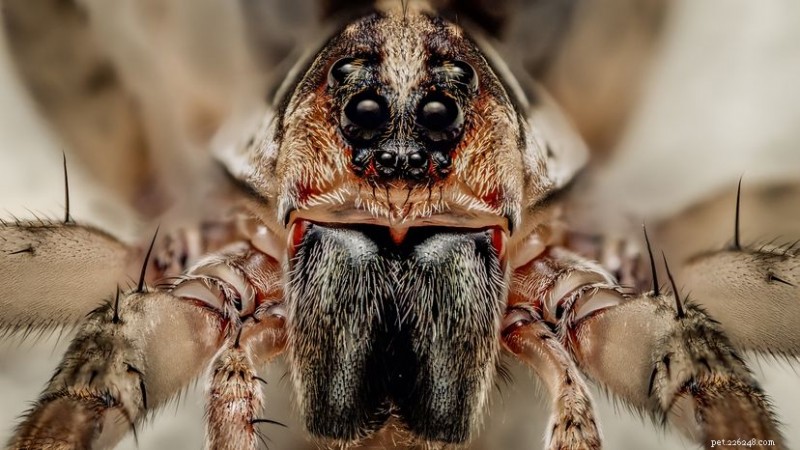
Secondary question: How often do you see a group of spiders? Tommy Daynjer / Shutterstock
Spiders thrive across nearly every terrestrial habitat—from dense forests and wetlands to arid deserts and human dwellings. Yet when dozens or hundreds gather, the instinctive question arises: what do we call a group of spiders?
Cluster
A cluster of spiders is a temporary gathering of freshly hatched juveniles. The term is most often used when hundreds of spiderlings emerge at once, or when environmental pressures—such as abundant prey or limited shelter—draw them into a shared space. Once the conditions shift, the cluster disperses, and each spider resumes its solitary routine.
Caption: A cluster of spiders refers to the collection of freshly hatched eggs. Young Swee Ming / Shutterstock
Colony
In contrast, a colony denotes a truly social species that cooperates for hunting, web construction, and brood care. Only a handful of arachnids—such as the communal Argiope spiders—maintain colonies. Their shared webs can span several meters and support hundreds of individuals, conferring a collective advantage over solitary life.
Why Most Spiders Prefer Solitude
Spiders rely on stealth, speed, and venom to secure prey. Living alone eliminates competition for insects and reduces the risk of cannibalism—a common behavior during mating rituals. Solitary habits also protect spiders during vulnerable stages such as molting or resting.
Spiders as Arachnids
Spiders belong to the class Arachnida, order Araneae. Their bodies are divided into a cephalothorax and abdomen, they have eight legs in four pairs, produce silk, and most species use venom. These defining traits distinguish them from insects and other arthropods.
Comparing Arachnids
While most arachnids—scorpions, mites, ticks—are solitary, a few exhibit limited sociality. The differences between arachnids and insects are anatomical: arachnids have two body segments and eight legs, whereas insects possess three segments and six legs.
Species‑Specific Group Behavior
Behavior varies widely. Jumping spiders are visual hunters that avoid webs. Funnel‑web spiders build trap‑like structures but still hunt independently. Social species, such as the giant group‑spider, build communal webs that support large colonies.
Wolf Spiders and Brief Assemblies
Wolf spiders (Lycosidae) are ground hunters that carry egg sacs on their backs. After hatching, the juveniles may temporarily cluster before dispersing, forming a fleeting “family” group.
Where to Find Spider Groups
Clusters and colonies are most common near abundant food sources—water bodies, wetlands, and human structures. Some species thrive in marine shorelines, while others adapt to urban environments.
Role in the Ecosystem
Spiders regulate insect populations and, in turn, provide prey for birds, amphibians, and mammals. Whether solitary or grouped, they remain integral to the food web.
We created this article in conjunction with AI technology, then fact‑checked and edited by a HowStuffWorks editor.
Advertisement
- DIY Custom Aquarium Canopy: Build a Stylish, Cost‑Effective Cover in 4–5 Hours
- How to Care for a Dog with a Pulled Muscle: Quick Relief and Prevention Tips
- Dog Insurance Explained: How to Protect Your Pet and Manage Unexpected Vet Costs
- Recognizing Throat Cancer in Dogs: Essential Signs & Symptoms
- Dog Mounting and Dominance: Effective Solutions & Training Tips
- Essential Care Tips for Newborn Puppies: What You Need to Know
- Newfoundland (Newfie) Dog: Traits, Care, and Training Guide