

How to Safely Prepare Your Pet for Winter: Expert Tips & Care Advice
Whether you’re ready or not, colder temperatures are just around the corner. From clothing and accessories to blankets and heating devices, Freshpet vet, Dr. Aziza, shares the best ways you can help your pet transition into colder temperatures.
How does cold weather affect dogs?
The holiday season is approaching and that comes with cold weather. I admit that this is my favorite time of year, but for some of my patients, it causes new or re-emerging problems to arise. Cold weather can affect your dog in many ways:
- Osteoarthritis: Like humans, dogs can develop arthritis. Although it typically occurs in older dogs, arthritis can develop in dogs of any age. Cold weather can make arthritis worse, causing your dog to have difficulty jumping, walking, sitting, or standing. It can also cause restlessness, even during sleep.
- Cracked and swollen paws: The cold weather and other factors – like salt used for deicing roads – can cause your dog’s paws to become cracked and swollen. This can lead to an infection as dogs will start to lick their paws in an effort to ease the pain and discomfort.
- Weight gain: Sometimes the cold weather prevents typical exercise for dogs, like walks, especially in areas where there is a lot of snow. If dogs have less exercise but still maintain the same caloric intake, then there is usually weight gain. Unfortunately, unwanted weight gain can lead to other problems such as worsening osteoarthritis or developing diseases like diabetes mellitus.
- Anxiety: If your dog loves certain activities like swimming or hiking which are no longer available to them due to inclement winter weather, then anxiety and frustration can start to show.
- Frostbite: Dogs that venture out into cold weather and are not properly clothed can get frostbite or damage to the skin and other tissues. Dogs with short coats (or hairless) are especially susceptible to cold weather versus those with thick coats.
- Hypothermia: Cold weather can cause very low body temperature or hypothermia. This can lead to difficulty breathing, decreased blood flow, even a coma.
Can dogs handle cold weather better than humans?
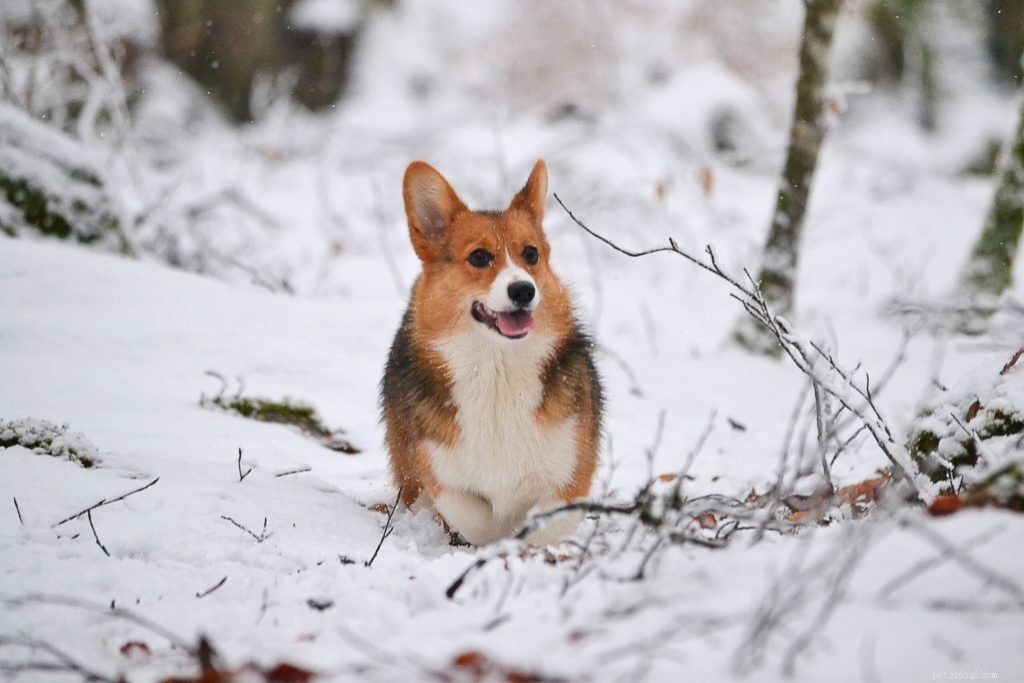
The answer to this question is...it depends. Some dogs seem to be built for cold weather – they have big paws, thick fur with a great undercoat that not only keeps them warm but also repels water. For the most part, these dogs don’t need a lot of cold-weather clothing or booties and often love nothing more than a good play session in the snow. In other words, these dogs definitely handle cold weather better than humans, but that doesn’t mean that all dogs can.
Is it safe to walk dogs in the snow and how long can they stay outside?
Yes, it is safe for dogs to walk in the snow. However, if your dog is going to walk in the snow for a prolonged period, they should have appropriate cold-weather clothing. Shoes will protect their paws from the cold and other possible irritants like deicing salt and jackets will give them an extra layer of warmth, especially for those with short or no hair.
As far as how long they can stay outside, this highly depends on the dog's temperature and breed, and anatomy. I would say to err on the side of caution and be conservative on the time you allow your dog to enjoy the cold weather.
How do I know when my dog is cold and should they be wearing a coat?
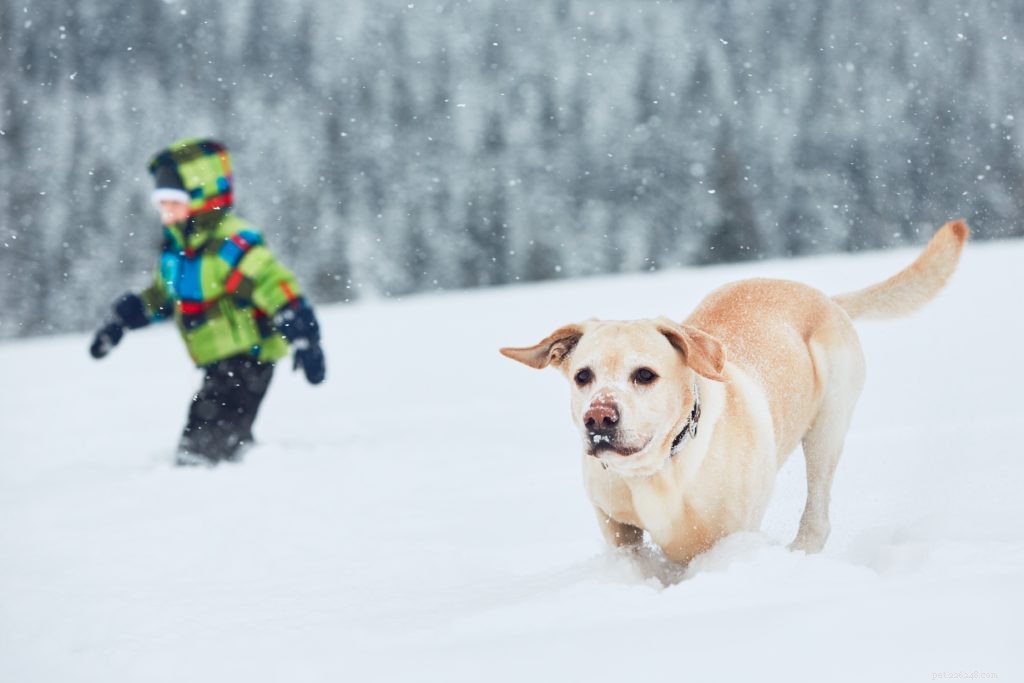
There are several signs to look out for if your dog is cold. A cold dog can be seen shivering or have difficulty breathing, often taking shallow breaths. They may also appear very tired, their muscles may seem stiff and their skin can look pale. If your dog displays any of these signs while they’re outside or if you suspect that they will, it’s strongly recommended that you get them a winter coat.
When choosing a winter coat for your dog, make sure that it is the proper size to avoid restricting their breathing or causing general discomfort. If you’re not sure which size to get, review the company’s sizing guide or reach out to their customer support team.
Why are my dog's paws irritated when it snows and what can I do to combat it?
Your dog’s paws may be sensitive to cold temperatures. Sometimes ice forms around the paws and between the toes leading to irritation and even abrasions. Additionally, your dog’s paws may be irritated from other chemicals mixed in with the snow, like deicing salts.
To avoid these issues, make sure your dog is wearing appropriate booties and they are the correct size. If your dog walks in the snow without booties, make sure to wipe the paws afterward with a towel and keep the time outside as short as possible.
Do dogs need blankets?
Blankets are great for dogs that need a little extra warmth. Overall the need is determined by the temperature in their home environment. All dogs can benefit from blankets in some way or another, for example, snuggle together under one while watching their favorite winter movie!

How can I provide extra warmth to my dog while in the house?
If you think your dog still needs some more warmth, there are a few things you can do to make them more comfortable:
- Personal space heater: Safely place a space heater in the area your dog likes to rest – just make sure that it’s a model that is safe for dogs and will not cause thermal burns if they touch it. Adjust the settings as needed for your dog’s comfort, but if the heat is too high, typically dogs will simply remove themselves from the source of the heat unless they are physically unable to.
- Heating pad: Although heating pads or electric blankets are useful, they can also be dangerous. It is very easy for dogs to get thermal burns from heating pads so always be cautious. Make sure your dog does not have direct contact with the pad. Always put several layers of blankets on top of the heating pad before you introduce it to your dog.
- Fireplace: If you have a fireplace, use it, especially if it is located in a family area of the home. This way, your dog can cozy up to the heat and still keep a watchful eye on its family.
Have questions that Dr. Aziza didn’t cover? Speak to your veterinary team! They’ll be able to help answer any of your cold-weather inquiries.
- Pet Behavior
- Pet Breeds
- Pet Names
- Pet Adoption
- Pet Training
- Pet Information
- Pet Health
- Adorable Pets
- Dogs
- 5 Simple Ways to Keep Your Pet Engaged and Happy
- 5 Proven Benefits of Probiotics for Your Dog's Health
- 6 Proven Strategies to Help Your Dog Build Strong Friendships with Other Dogs
- How to Help Your Dog During a Seizure: Signs & First Aid
- Proven Ways to Ease Your Dog’s Chronic Pain
- CBD for Dogs: 15 Proven Benefits for Your Pet's Health
- Dog Hay Fever: Symptoms, Causes, and 7 Proven Solutions