

Are Your Favorite Garden Plants Poisonous to Pets? Find Out and Protect Your Furry Friends
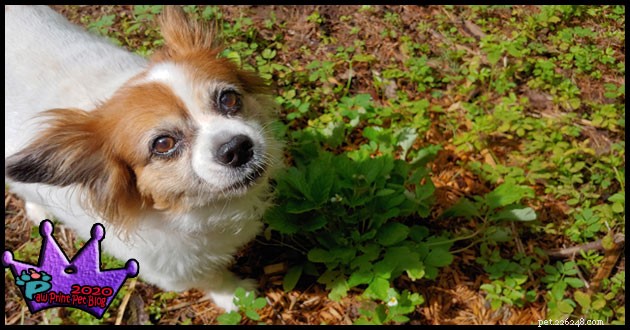
This year was our first having a yard of our own, and sadly our garden totally bombed. Almost every time one of our plants would start to look promising, some critter would visit in the night and eat it. We managed to protect our berry plants, for the most part, but didn’t get many berries out of them their first year. If you planted a garden this year, hopefully yours was a bit more successful and you’ve been able to start enjoying the fruits (vegetables and flowers too) of your labors.
If you’re anything like me, you probably share your fresh garden bounty with your pets. Especially if, like me, you have a pet highly skilled in the art of begging (those eyes!). Fresh fruits and vegetables can be delicious, low calorie snacks for many types of pets. Home grown garden goodies are extra healthy if they were grown organically. It’s important, though, to remember that not all types of fruits and veggies should be shared with your pet. And while flowers are beautiful, some can be toxic.
The ASPCA has a great list of plants that are toxic to dogs, cats, and/or horses. If you have other types of pets, it’s usually pretty easy to find basic lists of toxic plants by searching online.
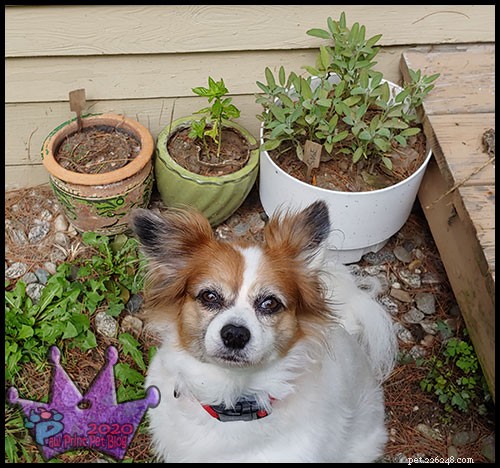 If you don’t know for sure whether or not a plant is safe, it’s always best to avoid offering it to your pet until you can do more research. If you don’t want to do the research yourself, your pet’s veterinarian should be able to help you. Never assume that just because a plant is safe for humans, or even for other types of pets, that it will be safe for all species. For example, small pets such as rabbits can safely enjoy grapes. However, grapes are toxic to dogs.
Another thing to keep in mind is that just because part of a plant is safe, doesn’t mean that the entire plant is. For example, like people, many dogs enjoy red tomatoes. But did you know that green tomatoes, as well as the leaves and stems of tomato plants, contain a compound called tomatine? Tomatine has anti-fungal properties that help to protect the tomato plants. It is, however, toxic, and can cause gastrointestinal irritation, weakness, and ataxia (neurological symptoms) if ingested in large enough quantities.
I don’t think many pet owners would purposely feed their pets flowers from their garden. It’s still important to note that many kinds of common garden flowers, such as Morning Glories, Tulips, and Daffodils, can be toxic to pets. If you’d like to plant types of flowers that can be toxic to animals, it’s probably best to grow them in areas your pet can’t access.
Not all people realize that fruits and vegetables can actually contain a high amount of natural sugars. Although humans can usually handle these sugars without any issues, this is not always true for pets. Sugary fruits or vegetables can cause gastrointestinal distress in pets, if fed in excess.
Some types of pets, such as dogs, cannot digest raw plant matter well. Your dog can still enjoy an occasional fruit/veggie snack, however if you want him/her to get more nutrition out of plant material you should try cooking or mashing/blending the food first. This breaks down the plant’s cell walls, making them easier for carnivores to digest.
Comment below! Was your garden successful this year? What types of home grown produce do you like to share with your pet?
- Pet Behavior
- Pet Breeds
- Pet Names
- Pet Adoption
- Pet Training
- Pet Information
- Pet Health
- Adorable Pets
- Dogs
- Protect Your Pets: The Most Toxic Holiday Plants to Avoid
- Top 5 Household Chemicals That Endanger Your Pets
- 10 Household Plants That Can Harm Your Pet Bird
- Top Garden Plants That Are Dangerous to Cats – Protect Your Pet
- Identify & Remove Toxic Plants: Protect Your Horses
- Pet Nutrition Guide: Vegetables That Are Toxic to Your Furry Friends
- 12 Common Garden Plants That Are Harmful to Dogs: Keep Your Pet Safe