

Dog Joint Pain Relief: 4 Proven Ways to Ease Your Pet’s Discomfort
All featured products are chosen at the discretion of the GreatPetCare editorial team and do not reflect a direct endorsement by the author or reviewer.
When your dog, who once leapt onto the couch or sprinted up the stairs with ease, suddenly appears sluggish or hesitant, joint pain may be the culprit. This condition can cause stiffness, reluctance to move, and a noticeable drop in activity.
Veterinarians offer a range of evidence‑based options to manage arthritis and other joint issues in dogs, including weight control, prescription medications, physical therapy, and supportive supplements like YuMove Max Vet Strength.
We consulted veterinary specialists to highlight early warning signs and share practical strategies for keeping your dog comfortable and mobile.
Causes of Joint Pain in Dogs
Joint pain in dogs generally falls into two categories: developmental problems that arise during growth, and degenerative conditions that worsen over time. Dr. Rosalie M. LoScrudato of NorthStar VETS explains:
- Developmental joint issues result from genetic or heritable conditions, such as hip dysplasia or elbow dysplasia. Large breeds—Bernese Mountain Dogs for elbow dysplasia and Rottweilers for hip dysplasia—are especially prone.
- Degenerative joint issues include repetitive injury, infections, immune‑mediated disease, torn ligaments, poor nutrition, and obesity. For example, cruciate ligament tears often stem from jumping on/off furniture or running. Dr. Rachel Barrack notes that excess weight adds strain, accelerating arthritis.
“Inflammation and structural breakdown of the joint lead to progressively painful arthritis,” says Dr. LoScrudato. Osteoarthritis (OA) is the most common type, affecting roughly 1 in 4 dogs—especially seniors and large breeds.
Signs of Joint Pain in Dogs
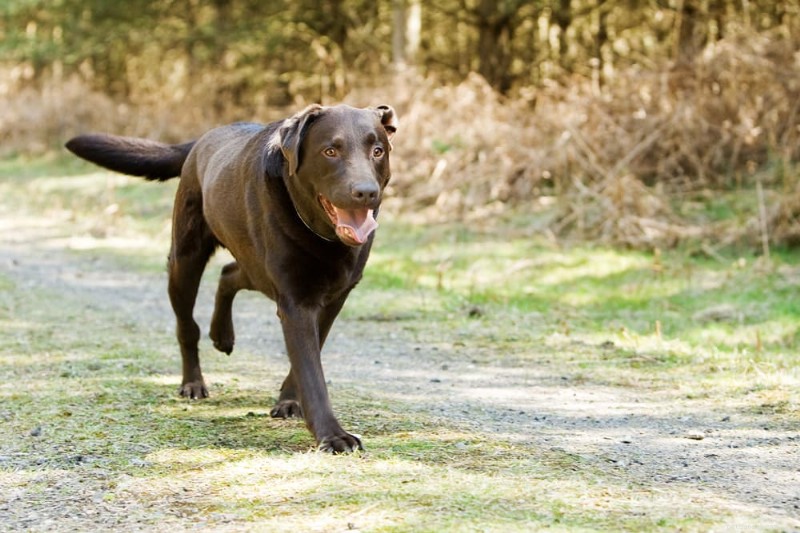
Early symptoms can be subtle. Limping is the most obvious sign, but it often appears later. Watch for:
- Difficulty rising or getting up
- Lethargy or reduced activity
- Stiffness, especially after rest
- Swelling around joints
- Shorter walking distances
- Reluctance to play or engage with owners
- Increased sleeping time
- Loss of appetite
- Avoiding stairs or furniture
- Difficulty getting into the car
- Changes in gait or slipping
- Chewing, biting, or licking painful areas
- Excessive licking of the body
Behavioral cues such as irritability, a worried expression, or depression can also signal pain. These may be mistaken for aging or behavioral issues, but veterinarians emphasize they can indicate underlying joint discomfort.
Joint Pain Relief for Dogs: 4 Ways to Help
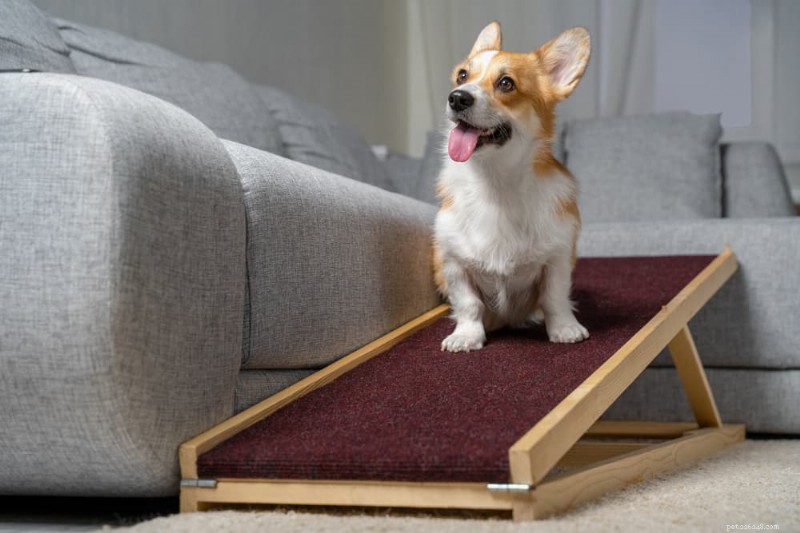
Addressing joint pain is a long‑term effort, but early intervention can significantly improve quality of life.
Address the Inflammation
Non‑steroidal anti‑inflammatory drugs (NSAIDs) and analgesics are frontline treatments for joint inflammation. Dr. LoScrudato cautions against using human medications, which can cause gastrointestinal ulcers and kidney failure in dogs.
Disease‑modifying osteoarthritis drugs (DMOADs) like Adequan help preserve joint fluid and cartilage, potentially slowing disease progression. For holistic care, acupuncture and traditional Chinese herbal therapy have shown efficacy in reducing inflammation and pain, according to Dr. Barrack, a certified veterinary acupuncturist and herbalist.
Supplements—omega‑3 fatty acids, microlactin, turmeric, green‑lipped mussels, glucosamine, and chondroitin—can further diminish inflammation. Always consult your vet before adding supplements.

For comprehensive support, veterinarians may recommend specialized products such as YuMove Max Vet Strength Hip & Joint Health soft chews. This formula blends green‑lipped mussel, glucosamine, omega‑3s, hyaluronic acid, and antioxidants to ease stiffness and promote mobility.
Practice Weight Management
Weight loss reduces joint load and muscle strain. Recent research indicates that adipose tissue releases pro‑inflammatory factors, exacerbating arthritis pain. Your veterinarian can assess your dog’s weight status and develop a targeted weight‑loss plan. In many cases, a therapeutic diet formulated for joint health is prescribed and can be sourced from vet clinics or online retailers.
Consider Alternative Therapies
Rehabilitation therapists can design exercise, stretching, and massage routines tailored to your dog’s needs. Dr. Barrack highlights acupressure and massage as effective at‑home techniques to relieve joint aches. Swimming provides low‑impact exercise that builds muscle mass and supports joint function without overloading the limbs.
Make Modifications to Your Home
Small environmental changes can boost comfort:
- Install ramps for easier access to the house, vehicle, or furniture.
- Use anti‑slip mats or rugs in high‑traffic areas to prevent falls.
- Choose a heated or orthopedic bed to relieve pressure points.
- Create a quiet, low‑stimulation space where your dog can rest undisturbed by pets or toddlers.
“Adapting the home environment, managing weight, and adjusting lifestyle are critical components of pain management,” says Dr. LoScrudato.
When to See a Veterinarian About Dog Joint Pain
Any suspicion of pain warrants a veterinary visit. Dr. Barrack advises contacting your primary care vet promptly to initiate diagnostics and treatment. A noticeable shift in behavior or reduced enthusiasm for activity also signals the need for professional evaluation.
Veterinarians conduct a full physical exam, review your dog’s history, and may order radiographs (X‑rays). They often use a trial of pain medication to gauge response and adjust the plan accordingly.
Early detection allows for a combination of medications, dietary changes, supplements, laser therapy, and physical rehabilitation. Some conditions may require surgery, while others are managed with a multimodal approach—including Western drugs, supplements, acupuncture, and herbal therapy—aimed at maintaining comfort and slowing progression.
“Once arthritis is established, it is a chronic condition that requires ongoing management,” notes Dr. LoScrudato. “The goal is to keep your dog comfortable and functional over the long term.”
- Pet Behavior
- Pet Breeds
- Pet Names
- Pet Adoption
- Pet Training
- Pet Information
- Pet Health
- Adorable Pets
- Dogs
- Can Dogs Contract Athlete's Foot? Understanding Canine Fungal Infections
- 8 Essential Ground Manners Every Horse Must Learn
- Why Dogs Seem More Energetic After Dark: Understanding Their Nighttime Behavior
- Understanding Coprophagia in Dogs: Causes, Symptoms, and Treatment
- Explore Dog-Friendly Breweries: A Tail-Wagging Experience for You and Your Canine
- Understanding Ectopic Testis in Dogs: Causes, Symptoms, and Treatment Options
- Can Birds Eat Chocolate? Why It’s Dangerous