

How to Brush Your Dog’s Teeth: A Step‑by‑Step Guide for Better Oral Health
Dental care is essential for a dog’s long‑term health and comfort. Regular brushing helps prevent plaque, gum disease, and the serious systemic infections that can arise when bacteria enter the bloodstream.
While many owners hesitate to touch their pets’ mouths, a calm, gradual approach can make the task routine for dogs of all ages.
Preparing to Brush Your Dog’s Teeth: Tools & Training
Before you start, gather the right supplies and familiarize your dog with the process. A positive introduction reduces anxiety and speeds up learning.
What You’ll Need
- Dog‑specific toothpaste – free of foaming agents, xylitol, and mint. Look for a formula that fights tartar and comes in a flavor dogs love, such as chicken or beef.
- A toothbrush designed for dogs – choose a shape that fits your dog’s muzzle. A standard bristle brush works well for long‑snouted breeds; a silicone fingertip brush is better for dogs with crowded teeth. Avoid fingertip brushes if your dog has a “hard mouth” and is prone to biting.
Getting Your Dog Comfortable
Success starts with a relaxed dog. Begin with taste and gentle handling before any brushing.
- Place a small amount of toothpaste on your finger and let your dog lick it. This is usually a painless, enjoyable experience.
- Using your other hand to support the muzzle, lift the lip and run your finger along one side of the gums. Pause for a treat, then repeat on the other side and on the lower teeth. Keep the movements slow and reward frequently.
- Once the dog tolerates lip‑lifting and gentle gum contact, introduce the toothbrush. Allow the dog to sniff and lick it, then touch a tooth with the brush while giving a treat. Repeat around the mouth until the dog shows no resistance.
Step‑by‑Step Brushing Guide
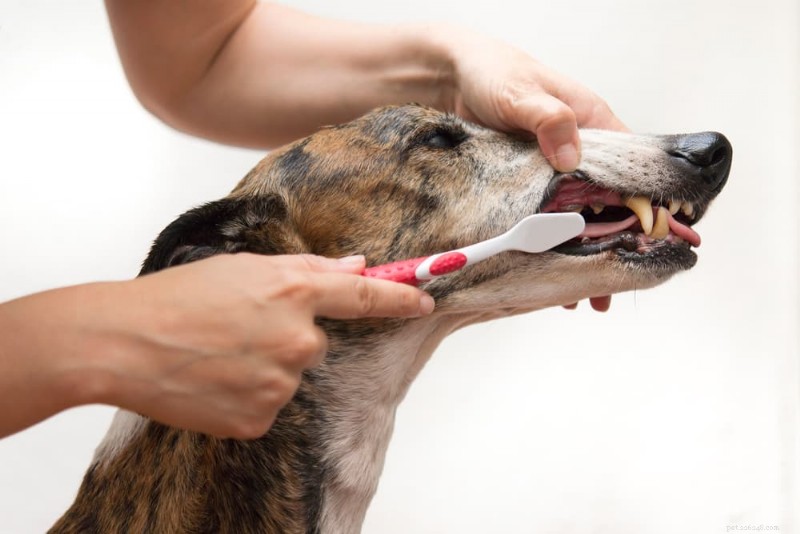
Follow these steps to keep your dog’s teeth clean and healthy.
- Position – Hold the dog in a comfortable stance. For small breeds, a small table can help you see the teeth clearly.
- Upper Teeth – Lift the upper lip and brush in gentle circles starting at the rear molars, moving toward the front teeth and canines. Focus on the molars, where plaque accumulates most.
- Lower Teeth – Gently open the mouth by lifting the muzzle, then brush the lower molars and work toward the front teeth. If your dog resists, pause and reassure.
- Finish – After brushing all teeth, reward the dog with a treat and praise. The toothpaste will continue to control buildup, and a treat reinforces the positive experience.
Note: Brush only the outer surfaces that touch the cheek; the inner side is cleaned by the dog’s tongue.
Why Brushing Matters
Dental disease is a leading cause of early tooth loss and can trigger systemic illnesses such as heart, liver, and kidney problems. Regular brushing allows you to spot cracks, loose teeth, or swelling early, often before the dog shows pain.
In addition, fresh breath keeps those kisses pleasant.
Pro Tips for a Successful Routine
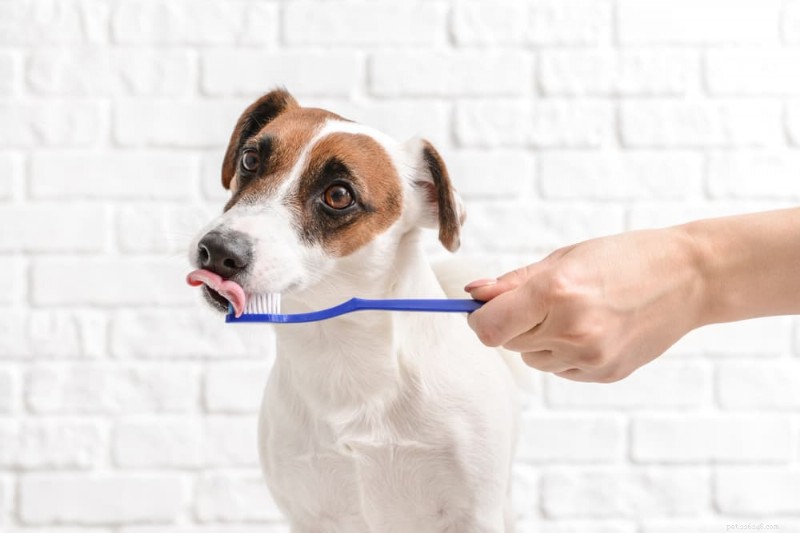
- Use gentle, circular strokes—no need to scrub hard.
- Avoid forcing the mouth wide; let the dog relax into the routine.
- Prioritize molars, but don’t neglect the front teeth.
- Reward frequently to build positive associations.
- If your dog remains reactive, consult your veterinarian or a professional trainer for tailored guidance.
With patience and consistency, brushing can become a quick, stress‑free part of your dog’s care routine.
- Pet Behavior
- Pet Breeds
- Pet Names
- Pet Adoption
- Pet Training
- Pet Information
- Pet Health
- Adorable Pets
- Dogs
- Homemade Dog Food Recipe to Ease Joint Pain and Support Mobility
- Stop Your Puppy From Chewing: Proven Strategies for Every Owner
- How to Prepare Your Dog for a Professional Teeth Cleaning
- Effective Home Care for Treating Your Dog's Eye Infection
- Anesthesia for Dogs and Cats: Essential Care Tips
- Detecting Cat Urine Without a Blacklight: Proven Strategies for Homeowners
- New Dog Owner? Master Mealtimes for a Happy Start