

Kidney Stones in Dogs: Causes, Symptoms & Evidence‑Based Treatments
Kidney stones, though uncommon in dogs, can pose a serious health risk. While about 3 % of dogs develop urinary stones, only 1–2 % of those involve the kidney or ureter, translating to an incidence of roughly one case in every 3,000 dogs.
Because these stones can rapidly become an emergency, early recognition and prompt veterinary care are essential to prevent kidney damage or failure.
What Are Kidney Stones?
The kidneys form part of the upper urinary system, filtering blood waste into urine. Urine gathers in the renal pelvis, flows through the ureters to the bladder, and is then expelled via the urethra.
A urinary stone (urolith) forms when mineral salts in the urine precipitate out of solution. This usually happens when the urine’s pH shifts, allowing minerals to crystallize instead of remaining dissolved and being flushed out.
Stone composition varies with diet and other factors, but the most common types are:
- Struvite – 43 % of stones
- Calcium oxalate – 47 % of stones
- Urate
- Cystine
- Silicate
When these formations occur in the kidney, they are referred to as nephroliths, renal calculi, or simply kidney stones. Because they are rare, they are often detected incidentally on imaging performed for unrelated issues.
Breed predispositions exist. Small toy and terrier breeds such as Yorkshire Terriers, Pugs, Lhasa Apso, Shih Tzu, Bichon Frise, and Pekingese are over‑represented. Larger breeds also appear to be at higher risk, including Basset Hounds, Mastiffs, Doberman Pinschers, Dalmatians, and English Bulldogs. Calcium oxalate stones are more frequent in males, whereas struvite stones are more common in females. Geographic studies suggest dogs in the South Atlantic region of the United States have a higher incidence of renal stones.
Kidney Stones vs. Bladder Stones in Dogs
Kidney and bladder stones share the same formation process; the difference lies in location. Bladder stones are far more common because minerals have a longer residence time in the bladder. Both types can produce similar clinical signs, but bladder stones are typically symptomatic, while kidney stones are often incidental. Concurrent kidney and bladder stones can also occur.
What Causes Kidney Stones in Dogs?
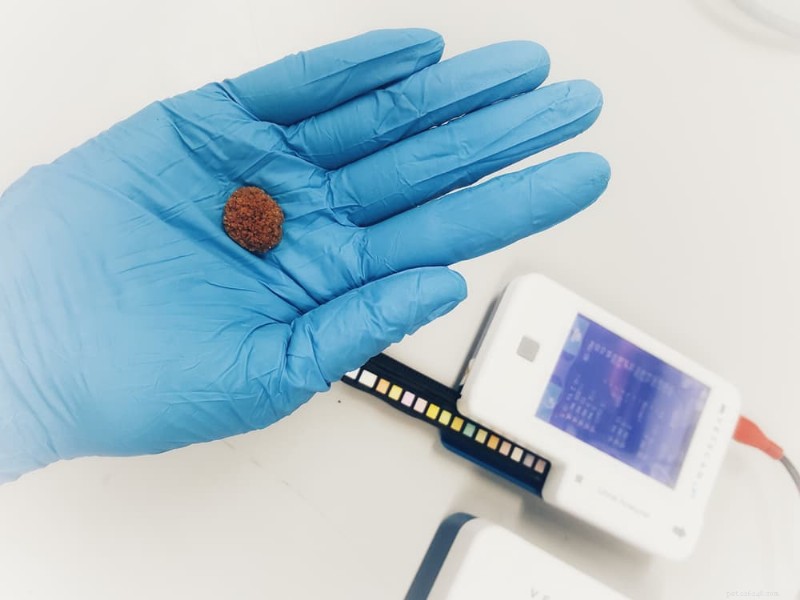
Kidney stones arise when urinary minerals fail to stay dissolved. Initial crystal clusters can grow if they become lodged in the kidney, ultimately forming a stone.
Diet
While no single food item directly causes stones, diets high in minerals or those that alter urine pH can increase the risk. Feeding nutritionally balanced commercial foods that adhere to AAFCO standards helps maintain appropriate mineral levels and urine pH, reducing stone formation.
Breeds and Genetics
Genetic factors contribute to stone risk. Dalmatians, for example, lack the enzyme required to break down uric acid, leading to elevated urinary uric acid and a higher likelihood of urate stones. This mutation also appears in some Bulldogs. Low‑purine diets can mitigate this risk.
Urinary Tract Infections (UTI)
UTIs can precipitate struvite stones because certain bacteria produce urease, raising urine pH and encouraging mineral precipitation. Females are more prone to UTIs, but all dogs should be monitored for infection signs. Recurrent infections and anatomical abnormalities further elevate risk.
Highly Concentrated Urine
Concentrated urine contains less free water, allowing minerals to crystallize more readily. Dehydration—common on hot days or after exercise—heightens this risk. Dry‑food diets require dogs to drink extra water, so ensuring constant access to fresh water is critical, especially during heat or vigorous activity.
Symptoms of Kidney Stones in Dogs
Not all kidney stones produce clinical signs; severity depends on stone location and whether it obstructs urine flow.
Obstructive stones cause painful urinary retention and may lead to acute kidney injury. Non‑obstructive stones, especially those confined to the renal pelvis, often remain silent.
When symptoms do arise, they typically progress from mild to severe:
- Recurrent urinary tract infections
- Altered urine output
- Hematuria
- Abdominal discomfort
- Fever
- Reduced appetite
- Weight loss
- Vomiting
Some dogs may exhibit only one or a combination of these signs.
Diagnosing Kidney Stones in Dogs
Veterinary assessment starts with a physical exam, evaluating hydration, abdominal pain, and concurrent conditions.
Urinalysis follows, checking pH, presence of crystals, and bacterial infection. Crystal identification can hint at stone type, though stones may be present without visible crystals.
Imaging—X‑ray and ultrasound—provides the most definitive diagnosis. X‑rays detect most stones, while ultrasound reveals non‑radiopaque stones and signs of fluid accumulation that suggest obstruction. Many clinicians combine both modalities for a comprehensive evaluation.
Kidney Stones in Dogs Treatment
Treatment plans depend on stone size, type, location, and the dog’s overall health. Options include:
- Dissolution diets tailored to stone composition
- Surgical removal
- Ureteral stenting
- Endoscopic extraction
- Extracorporeal shockwave lithotripsy (ESWL)
Dissolving the Stone
Most non‑obstructive stones can be managed medically. A prescription diet lowers urine pH (for struvite) or raises it (for calcium oxalate) to dissolve the stone while encouraging urine dilution. Adequate hydration is essential to enhance the dissolution process.
Surgical removal
Surgery is reserved for stones that are too large, causing obstruction, or resistant to dietary therapy. The procedure requires a specialist surgical team due to the delicate nature of renal and ureteral structures. Referral to a veterinary surgeon is typically necessary.
Stenting
Ureteral stents temporarily bypass obstructions, permitting urine flow while the stone gradually dissolves. The stent is inserted via endoscopy and removed after the obstruction resolves.
Endoscopic removal
Endoscopic “keyhole” surgery uses a flexible scope to extract stones that cannot be managed conservatively. The dog requires general anesthesia, but recovery is usually quicker than open surgery.
Shockwave therapy
Extracorporeal shockwave lithotripsy (ESWL) breaks stones smaller than 1.5 cm into fragments that can be passed naturally or dissolved. This non‑invasive technique is available at specialty centers.
Home remedies and homeopathic therapy
There is no scientific evidence supporting home remedies for canine kidney stones. Early veterinary intervention remains the safest approach.
Cost to Treat Kidney Stones in Dogs
Diagnostic fees typically range from $200 to $800. Prescription diets cost about $50 for an 8.5‑lb bag. More invasive interventions—hospitalization, emergency care, or surgery—can push total costs into the thousands. Discussing your budget with your veterinarian may lead to cost‑effective alternatives.
How to Prevent Dog Kidney Stones

For most dogs, prevention centers on a balanced diet from a reputable manufacturer and constant access to fresh water. Treating urinary infections promptly also reduces stone risk.
Dogs with a known genetic predisposition—such as Dalmatians and other breeds carrying the uric acid enzyme deficiency—benefit from low‑purine diets. A vet can recommend the appropriate formulation.
A history of kidney stones heightens future risk; after removal, many dogs require a lifelong stone‑prevention diet.
- Pet Behavior
- Pet Breeds
- Pet Names
- Pet Adoption
- Pet Training
- Pet Information
- Pet Health
- Adorable Pets
- Dogs
- 6 Essential Fiber Sources for Dogs – Daily Intake Guide
- Healthy Teeth, Healthy Dogs: The Key to Your Pet’s Well‑Being
- How Dogs See Color: The Truth About Canine Vision
- Trusted Labrador Retriever Puppies in Massachusetts – 2022 Breeder Directory
- Understanding Why Your Dog Stares at You: A Guide to Canine Communication
- Why Your Cat Isn't Meowing: Signs of Health Issues and What to Do
- Top 9 Cat Breeds Every Feline Enthusiast Should Know