

Common Allergens That Trigger Dog Allergies – Signs, Diagnosis & Relief
All featured products are chosen at the discretion of the GreatPetCare editorial team and do not reflect a direct endorsement by the author or reviewer.
Just as humans can develop allergies, dogs are susceptible to a wide array of triggers—from airborne pollen and household dust to specific foods. An allergy in a dog occurs when the immune system overreacts to a particular substance, releasing histamine in an attempt to eliminate the perceived threat.
Most allergens are proteins that can be found in plants, animals, insects, foods, chemicals, materials, and medications. Recognizing the source of your dog’s discomfort is the first step toward effective relief.
Continue reading to uncover the most common dog allergies, key symptoms to monitor, and evidence‑based approaches to help your pet feel better.
Signs of Allergies in Dogs
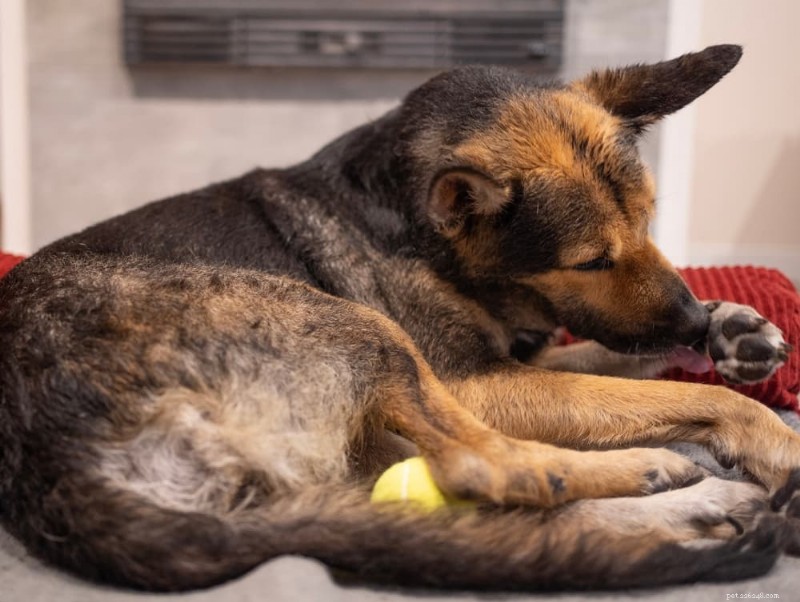
While humans often experience sneezing, runny nose, and watery eyes, dogs typically present with skin and ear issues. These can lead to secondary skin or ear infections. Gastrointestinal symptoms such as vomiting or diarrhea are also possible.
"Allergy symptoms in dogs can mimic other medical conditions," notes Dr. Alejandro Caos, a board‑certified veterinarian with The Vets. "A thorough veterinary exam and targeted diagnostics are essential to differentiate allergies from other diseases."
Depending on the type and severity, you may notice:
- Red, itchy skin
- Rash or hives
- Skin or ear infections
- Poor coat quality
- Excessive licking, especially of paws
- Sneezing and watery eyes
- Itchy or swollen ears
- Facial swelling
- Vomiting or diarrhea
- Occasional scooting on the ground
What Are Dogs Allergic To? Common Allergens

Identifying the culprit(s) behind your dog’s allergic reactions is crucial for lasting relief. Dogs may be sensitive to one or several allergens throughout the year.
"It’s essential for pet owners to collaborate closely with a veterinarian to pinpoint the exact trigger before treating symptoms," advises Dr. Lindsay Butzer of Clint Moore Animal Hospital, Boca Raton, FL. "Treating the symptoms without addressing the root cause offers only temporary comfort."
Dr. Caos categorizes canine allergies into five primary groups:
- Flea allergy dermatitis (caused by flea bites)
- Environmental allergies (pollen, mold, dust mites, etc.)
- Food allergies
- Contact allergies (substances that touch the skin)
- Insect stings (bees, wasps, etc.)
Plants That Trigger Allergies in Dogs
Environmental allergens can arise from any plant pollen carried by the wind. Common offenders include grass, weed, tree, and flower pollens. Each pollen type can provoke an allergic response.
Food Allergies in Dogs
Dogs can react to any food ingredient, but studies show the most frequent culprits are:
- Beef
- Dairy products
- Chicken
- Wheat
Other Common Allergens
Contact allergies—though less common than flea or environmental allergies—can arise from a wide range of substances. Typical triggers include:
- Cleaning products
- Laundry detergent
- Carpet fibers
- Plants
- Ingredients in flea collars or topical parasiticides
- Topical medications and shampoos
- Metals
How to Help Your Dog With Allergies

Effective management begins with a veterinarian’s diagnosis. Your vet will perform a comprehensive physical exam and gather detailed history, including when symptoms peak and environmental exposures. If fleas are suspected, an oral or topical flea preventive will be recommended.
Allergy testing can narrow down environmental triggers. "Intradermal skin testing involves injecting small amounts of suspected allergens into the skin to observe reactions," explains Dr. Caos.
Food allergies are best confirmed with an elimination diet trial. Your vet will prescribe a minimal‑ingredient prescription diet featuring a single protein and carbohydrate source for 8–12 weeks, during which the dog must avoid all other foods, treats, and flavored medications. After the trial, if symptoms subside, the specific allergen is reintroduced one at a time to confirm the culprit.
Once the allergy type is identified, treatment options may include corticosteroids, antihistamines, or immunosuppressants such as cyclosporine. For allergic itch, the oral medication Apoquel is frequently prescribed for rapid, lasting relief.

Allergen‑specific immunotherapy (ASIT), commonly known as allergy shots, can enhance tolerance to specific allergens and reduce symptom severity over time.
Environmental control also plays a vital role. Frequent vacuuming, washing bedding, and bathing with a soothing oatmeal shampoo help remove pollen, dust, and other irritants from your dog’s coat. If food allergies are the cause, eliminating the offending ingredients will resolve the issue. Remember, many dogs experience multiple allergy types, which may require a more comprehensive management plan.
Allergy management is typically a lifelong endeavor, but with accurate diagnosis and targeted treatment, most dogs can lead comfortable lives. Veterinary professionals are well‑equipped to diagnose and treat these conditions, ensuring the best care for your pet.
"Allergy testing isn’t always mandatory; veterinarians tailor diagnostics based on symptoms, history, and potential exposures," concludes Dr. Caos.
- Pet Behavior
- Pet Breeds
- Pet Names
- Pet Adoption
- Pet Training
- Pet Information
- Pet Health
- Adorable Pets
- Dogs
- Understanding Dog Humping: Causes, Concerns, and How to Manage It
- Inside the Workshop: Marcia of Just Cats Boutique Shares Her Creative Journey on Etsy
- Are Fireflies (Lightning Bugs) Toxic to Cats? Protect Your Pet from Poisonous Insects
- How to Tackle Your Puppy’s Loss of Appetite: Vet-Approved Steps
- 100 Perfect Names for Blue‑Eyed Cats
- Essential Gear Guide for Your First Western Horse Show
- Berger Picard Dog Breed: Facts, Traits, and Care Guide