

Dog Urinary Incontinence: Symptoms, Causes, and Effective Treatments
Does your dog occasionally leak urine while resting? Urinary incontinence in dogs is a common medical issue that can leave pet owners concerned. About 20 % of spayed female dogs experience this condition, often in middle age or later. This article explains what incontinence is, why it occurs, how it differs from other urinary problems, and the best ways to treat and prevent it.
What Is Urinary Incontinence?
Urinary incontinence is the loss of voluntary control over urination. Most owners notice a wet spot after their dog lies down for a few minutes. While any dog can develop this condition, it is most frequently seen in middle‑aged to older spayed females—hence the nickname “old dog incontinence.” Medium and large breeds tend to be more affected than small breeds.
Fecal incontinence can coexist with urinary issues, but they usually stem from different causes and are treated separately unless a neurological disorder is present.
Incontinence vs. Other Urinary Disorders
Unlike a urinary tract infection (UTI) or behavioral marking, a dog with incontinence often shows no change in normal bathroom habits. The key sign is involuntary leakage after lying down, while the dog otherwise voids normally outside. A UTI may present with frequent trips, straining, a foul odor, or blood in the urine, whereas marking involves deliberate urination in unwanted places.
Signs of Urinary Incontinence in Dogs
Typical indicators include:
- Unexpected wet patches after resting
- Excessive licking of the rear end
- Brown stains or a rash around the vulva (urine scald)
Causes of Urinary Incontinence in Dogs
The primary driver in healthy dogs is urethral sphincter failure—commonly referred to as urethral incompetence. Hormonal changes after spaying often weaken the sphincter, especially in older females. Other potential culprits are:
- Neurological disorders such as spinal cord injury, herniated discs, or brainstem disease
- Chronic inflammation from recurrent UTIs
- Congenital birth defects
- Cancer involving the urinary tract
- Prostatic disease in male dogs
Diagnosing Urinary Incontinence in Dogs
Veterinarians start with a thorough physical exam, often supplemented by a rectal and neurological check. A urinalysis, and if a UTI is suspected, a urine culture, helps identify bacterial infections. Imaging—ultrasound or abdominal X‑rays—can uncover anatomical anomalies. In complex cases, cystoscopy under anesthesia may be required.
Dog Incontinence Treatment
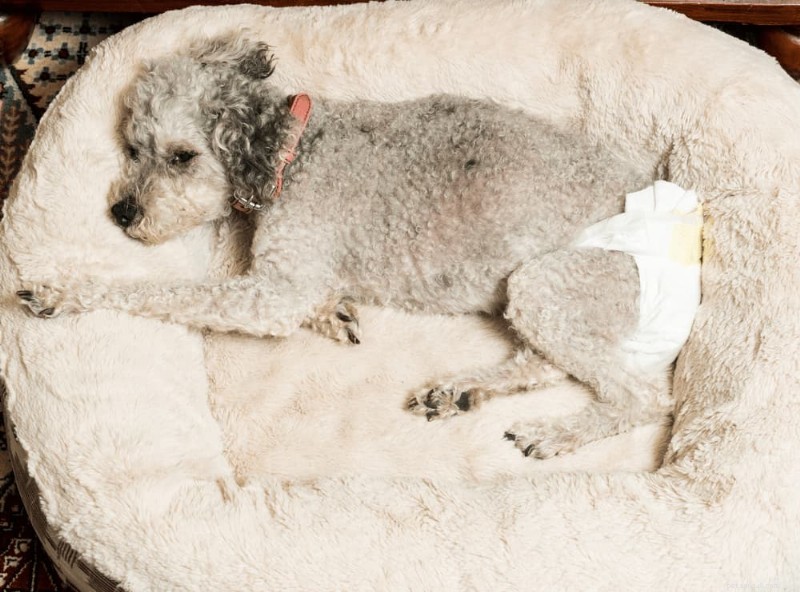
Most cases are managed on an outpatient basis. Treating an underlying UTI can resolve the leakage, though costs can run into the hundreds of dollars if complications arise.
Medications for Urinary Incontinence
Urethral incompetence is typically not curable but can be effectively managed with medication. Common options include:
- Phenylpropanolamine
- Hormone replacement therapy
- Diethylstilbestrol
- Leuprolide
- Imipramine
These drugs are available as oral pills, chews, or subcutaneous implants. Most dogs achieve complete control of leakage while on therapy, eliminating the need for diapers. Phenylpropanolamine, for example, costs roughly $40–$50 per month—an affordable solution for long‑term management.
When Surgery Is Needed
Surgical intervention is reserved for structural problems such as tumors, prostatic disease, or severe neurological injury. Successful treatment of the underlying cause often restores normal bladder control. In cases of severe spinal damage, outcomes can vary.
Preventing Incontinence in Dogs
Early spaying—especially before a dog has fully matured—can increase the risk of hormonal urethral incompetence later in life, particularly in large breeds. Discuss the optimal timing of spay or neuter with your vet based on your dog’s growth rate. Maintaining a healthy weight also lowers the risk of incontinence and many other health problems.
- Pet Behavior
- Pet Breeds
- Pet Names
- Pet Adoption
- Pet Training
- Pet Information
- Pet Health
- Adorable Pets
- Dogs
- Protect Your Dog from Tick-Borne Diseases: Expert Guide
- Discover the 5 Most Rare Dog Breeds in the World
- 4 Proven Strategies to Stop Your Pet’s Destructive Chewing
- COVID-19 and Pets: Expert Advice to Protect You and Your Companion Animal
- Sammie's Story: A Ragdoll Cat in Need of a Loving Home
- Black Mouth Cur: Loyal, Agile, and Powerful Hunting Companion
- Expert Tips for Planning a Stunning Dog Wedding