

Dog UTI Treatment Plan: What to Expect – A Vet‑Approved Guide
All featured products are chosen at the discretion of the GreatPetCare editorial team and do not reflect a direct endorsement by the author or reviewer.
If you’ve ever dealt with a urinary tract infection, you understand how uncomfortable it can be. Dogs with a UTI experience similar distress, and chronic infections can damage the bladder or kidneys if left untreated. This guide offers an in‑depth look at dog UTI treatment, how to soothe your pup, and reduce recurrence.
Dog UTI Treatment Plan: What to Expect
After a veterinarian confirms a UTI, the course of action depends on the underlying cause. A one‑time, uncomplicated UTI typically requires a straightforward, inexpensive treatment. In contrast, recurrent or complicated infections—often associated with conditions such as diabetes, Cushing’s disease, or urinary stones—call for a more comprehensive approach that targets both the infection and its root cause, which can increase costs.
All UTI cases in dogs receive antibiotics. Most are prescribed oral medications in pill or capsule form that the pet owner can administer at home. In some situations, veterinarians may give a single subcutaneous injection. It is essential to finish the entire prescription even if symptoms improve early.
Because antibiotics can upset gut flora, many clinicians also recommend a probiotic. When giving both together, space the doses by at least two hours to prevent the antibiotic from killing the probiotic. A bedtime probiotic dose is often most convenient.
Pain relief is also a key component. Veterinarians may prescribe muscle relaxants, non‑steroidal anti‑inflammatories (NSAIDs), or other analgesics to ease discomfort.
For dogs with recurrent or complicated UTIs, the treatment plan may include:
- Therapeutic dog food designed to dissolve urinary crystals or stones
- Surgical intervention, if structural issues or stones are present
- Multiple veterinary re‑checks with laboratory testing
- Management of concurrent diseases such as diabetes or Cushing’s
Dog UTI Treatment Cost
Costs vary widely based on the severity and complexity of the infection. Antibiotic prices range from $35 to $300, with amoxicillin typically costing $35–$75. Factors that influence the cost include the dog’s size, the duration of therapy, and whether the UTI is uncomplicated or complicated.
Pain medication generally costs between $30 and $75. Therapeutic dog food can run $40 to $100 per bag, depending on size. Surgical procedures typically fall in the $1,000 to $3,000 range. Routine re‑checks and lab work may cost $50 to $150 per visit, with final costs depending on geographic location and specific tests ordered. Treatment for underlying conditions will add to the overall expense.
Dog UTI Medications
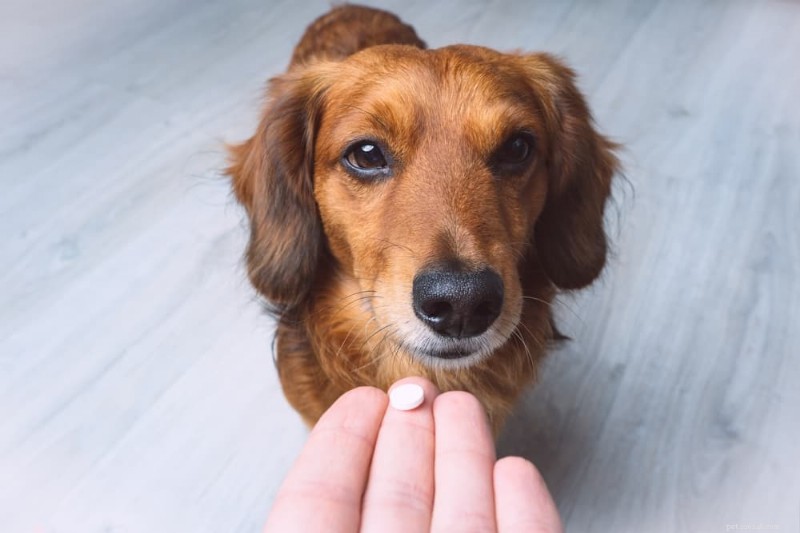
Prescription antibiotics are the cornerstone of canine UTI treatment. Amoxicillin is usually the first choice for dogs with a new infection. In other cases, a urine culture and sensitivity test determines the most effective antibiotic. Common choices include:
- Trimethoprim‑sulfadiazine (TMS)
- Amoxicillin‑clavulanate (Clavamox)
- Cefovecin
- Enrofloxacin, marbofloxacin, orbifloxacin
Less frequently, amikacin, chloramphenicol, nitrofurantoin, or meropenem may be used. Uncomplicated UTIs are usually treated for 7–10 days; complicated cases may require 4–6 weeks of therapy.
Pain management may involve NSAIDs such as carprofen (Rimadyl), trazodone, or muscle relaxants. Never give your dog over‑the‑counter pain relievers without veterinary approval.
Dietary Considerations for Dogs With UTIs
For a single, uncomplicated UTI, no dietary change is necessary—standard dog food suffices. If your dog suffers recurrent infections or urinary crystals, your veterinarian may prescribe a therapeutic diet that reduces crystal formation and supports bladder health.
UTI Supplements for Dogs
Probiotics strengthen the gut’s immune defenses, which can be altered during a UTI. When using antibiotics, provide a high‑quality probiotic for a few weeks after finishing the medication, spacing doses by at least two hours.
Cranberry extract can help prevent bacteria from adhering to the bladder wall, while omega‑3‑rich fish oil supports overall urinary tract health. Always consult your veterinarian before adding supplements, especially if your dog is on other medications.
Dog UTI Treatment at Home: Tips and Advice

Once treatment starts, you should notice relief within 24–48 hours. Complete the full course of antibiotics to ensure the infection is fully cleared. If symptoms reappear or do not improve within two days, the infection may be resistant or complicated, and you should contact your vet promptly for reassessment.
Most canine UTIs are uncomplicated and respond well to veterinary‑guided therapy. Early detection and adherence to the treatment plan give your pup the best chance for a swift recovery.
Can Diet Help Manage UTIs in Dogs?
While antibiotics address the bacterial component, diet can play a pivotal supportive role, especially for dogs with recurrent infections or bladder stones. Mineral crystals can irritate the bladder lining, making infections more likely. Struvite stones, in particular, can shield bacteria from antibiotics, reducing treatment efficacy.
Prescription urinary diets such as Royal Canin® Urinary SO are often prescribed to help manage these risks. The diet promotes dilute urine, regulates mineral levels, and can aid in dissolving specific stone types.
Images of Royal Canin Urinary SO Dry and Wet forms are shown below. These diets are not a substitute for antibiotics but are valuable as part of a comprehensive prevention strategy. They require a veterinary prescription and should only be used under professional guidance.
Royal Canin Urinary SO Dry for Dogs

Royal Canin Urinary SO Can for Dogs
If your dog has experienced multiple UTIs or has been diagnosed with bladder stones, ask your veterinarian about a prescription urinary diet as part of a long‑term management plan.
- Pet Behavior
- Pet Breeds
- Pet Names
- Pet Adoption
- Pet Training
- Pet Information
- Pet Health
- Adorable Pets
- Dogs
- Can Hamsters Safely Eat Sprouts? Portion Sizes, Frequency & Complete Diet Guide
- Safe Nuts for Homemade Dog Food: Which Nuts Are Dog-Friendly
- Can Dogs Coexist Safely with a Tarantula?
- Can Dogs Truly Remember Yesterday? A Closer Look at Canine Memory
- Why Your Sugar Glider Might Pee on You – 3 Common Reasons & How to Stop It
- Treats 101: Boosting Positive Dog Training with Food Rewards
- Are Coconuts Safe for Dogs? Health Tips & Facts