

Comprehensive Guide to Treating Dog Cushing’s Disease: What Owners Need to Know
Diagnosing Cushing’s disease in your dog can feel daunting, but with a clear treatment plan, most pets recover comfortably. This guide walks you through the typical steps, what to expect, and how to manage costs, medication, and care.
What to Expect After a Diagnosis
The treatment pathway depends on the type of Cushing’s, the severity of symptoms, and any concurrent conditions such as diabetes or osteoarthritis.
Pituitary-Dependent Hyperadrenocorticism (PDH)
PDH is the most common form, caused by a slow‑growing pituitary tumor that triggers excess cortisol production. Management usually involves long‑term medication to bring cortisol levels back to normal.
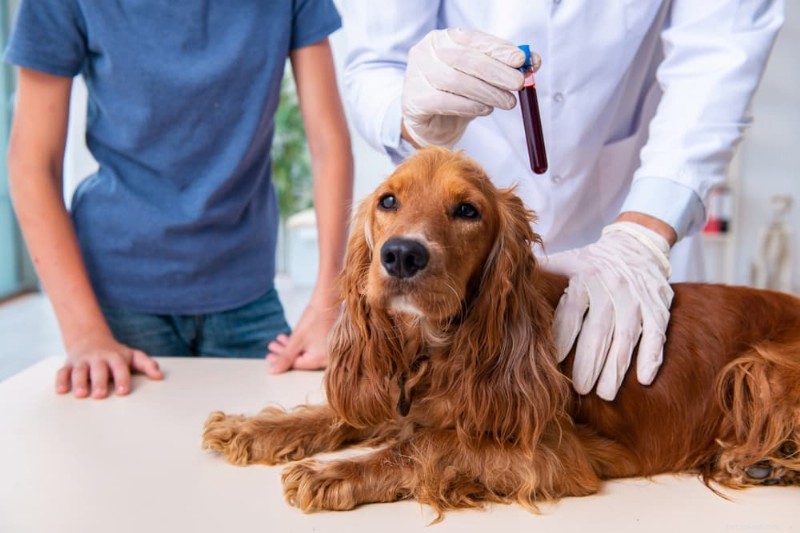
After the initial prescription, your veterinarian will schedule a follow‑up in a few weeks for a physical exam and blood work. The goal is to fine‑tune the dose:
- If the dose is right, blood tests normalize and symptoms improve. Your vet may then extend the recheck interval to 3–6 months.
- If the dose is too low, the veterinarian will increase it and you’ll return soon after.
- If the dose is too high, the dose will be lowered to avoid adrenal suppression.
Adrenal Tumor-Associated Cushing’s
Although rarer, a tumor on the adrenal gland can also cause Cushing’s. Surgery to remove the tumor is the preferred cure, provided the dog is a suitable surgical candidate. Medication may still be used, but it is not curative.
Managing Multiple Conditions
Dogs with co‑existing hormonal or musculoskeletal issues may experience delayed improvement. Patience and regular veterinary visits are key.
Estimated Treatment Costs
Costs vary by diagnosis type, dog size, geographic region, and the number of visits required. Typical ranges include:
- Initial diagnosis: $300–$1,000 (exam, labs, ultrasound)
- Follow‑up visits: $150–$250 each (exam, labs)
- Medication: $50–$150/month (dose and dog size dependent)
- Surgery: $2,000–$4,000
Pet insurance, payment plans, or emergency credit lines can help manage these expenses.
Medication Options
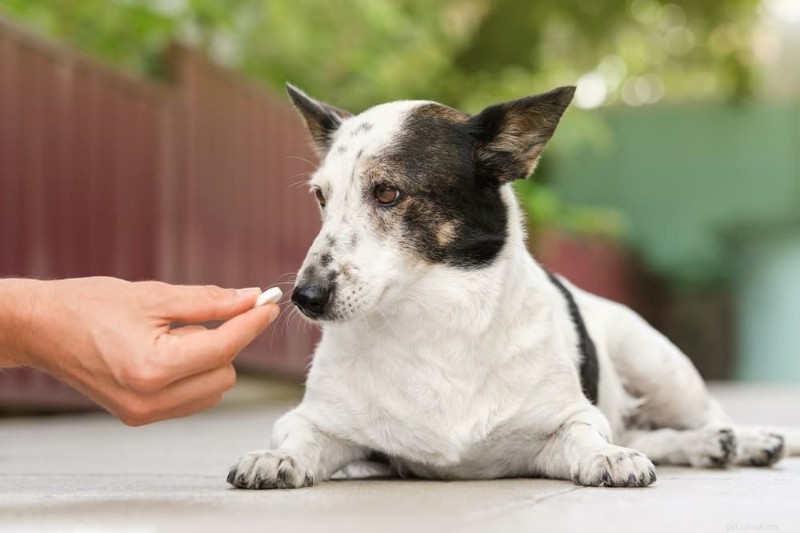
Medication works by reducing cortisol production. Because it can lower cortisol too much, close monitoring is essential. Veterinarians often prescribe rescue prednisone tablets to use if sudden signs of adrenal insufficiency appear.
- Trilostane (Vetoryl) – FDA‑approved, usually taken once or twice daily. Many dogs experience reduced dosing over time and may even go into remission.
- Mitotane (Lysodren) – destroys cortisol‑secreting adrenal cells. Useful for dogs that cannot undergo surgery.
- Other options: ketoconazole, selegiline hydrochloride, and others may be considered.
Significant side effects such as loss of appetite, lethargy, vomiting, or diarrhea require immediate veterinary attention.
Dietary Considerations
Most dogs can continue their standard maintenance diet unless they are also diabetic or overweight. In such cases, a weight‑loss or diabetic diet may be recommended.
Comfort and Care

Cushing’s itself is not painful, but excess cortisol can mask joint pain and skin allergies. Keep your dog in a cool environment, avoid strenuous activity, and monitor for new or worsening symptoms.
Post‑surgery, keep your dog quiet for two weeks: no running, jumping, or long walks. Provide a warm, soft recovery area and watch for incision infection signs.
Key Takeaways & Tips
Once cortisol levels are controlled, most signs such as polyuria, polydipsia, polyphagia, panting, hair loss, and skin infections resolve quickly. However, ongoing vigilance for low‑cortisol symptoms remains critical.
With regular veterinary care, most dogs enjoy years of good quality life. Stay patient, monitor for side effects, communicate openly with your vet, and give your dog the best chance for recovery.
- Pet Behavior
- Pet Breeds
- Pet Names
- Pet Adoption
- Pet Training
- Pet Information
- Pet Health
- Adorable Pets
- Dogs
- Bloodfin Tetra Care Guide: Tips for a Healthy, Vibrant Community Fish
- Can Your Dog Detect Dolphin Sounds? Expert Insight into Canine Hearing
- White Rock Chicken: Cold-Climate Champion for Eggs, Meat, and Foraging
- Western Hognose Snake: The Gentle Beginner’s Guide to Care & Breeding
- What Causes a Gerbil to Stop Eating & How to Help It Recover
- Renaissance Canines: The Role of Dogs in 15th‑Century Art
- Wobenzym for Dogs: Trusted Digestive Enzyme Supplement for Arthritis & Cancer Relief