

Understanding Dry Eye in Dogs: Causes, Symptoms, and Effective Treatments
Tears are essential for ocular health, providing lubrication, cleansing, and protection against infection. When tear production or quality decreases, dogs can develop keratoconjunctivitis sicca, commonly called dry eye.
Read on to discover the root causes, warning signs, and proven treatment strategies for this painful but treatable condition.
What Is Dry Eye in Dogs?
Dry eye—medically termed keratoconjunctivitis sicca—occurs when the glands that produce the watery component of tears are damaged or function poorly. In rare cases, the glands that secrete the oily or mucous layers are affected, leading to low‑quality tears.
Without a stable tear film, the cornea and conjunctiva become dry, inflamed, and susceptible to injury. Although dogs of any age can develop the disease, it is most common in middle‑aged and senior animals and can progress to vision loss if untreated.
What Causes Dry Eye in Dogs?
Immune‑mediated destruction of tear glands is the leading cause. Genetics may predispose certain breeds to this autoimmune response. Breeds with a higher incidence include:
- Pugs
- Cavalier King Charles Spaniels
- Cocker Spaniels
- Bulldogs
- Boston Terriers
Other contributors are systemic diseases, infections, congenital anomalies, radiation exposure, trauma, and certain medications containing sulfonamide.
Symptoms of Dry Eye in Dogs
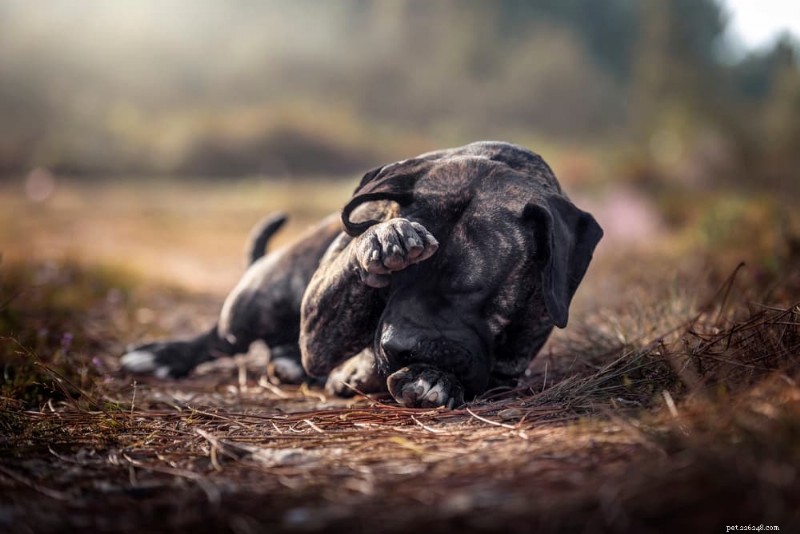
Signs of discomfort and tear deficiency may include:
- Thick, stringy discharge
- Redness and inflammation of the eye
- Dry or dull corneal surface
- Neovascularization (new blood vessels) on the cornea
- Frequent squinting or blinking
- Rubbing or pawing at the eye
If left unchecked, these changes can lead to corneal scarring, ulceration, and eventual blindness.
Diagnosing Dry Eye in Dogs
Veterinarians use the Schirmer tear test—a quick, non‑invasive procedure where a paper strip is placed under the lower eyelid for 1 minute to measure tear volume. The test is performed on both eyes.
Fluorescein staining is another diagnostic tool. A single drop of dye is applied, and the time until the tear film breaks is recorded. A rapid breakup indicates insufficient tear coverage.
During a comprehensive eye exam, the veterinarian also checks intraocular pressure, ocular reflexes, and overall eye health to exclude other conditions.
Treatment Options for Dry Eye in Dogs
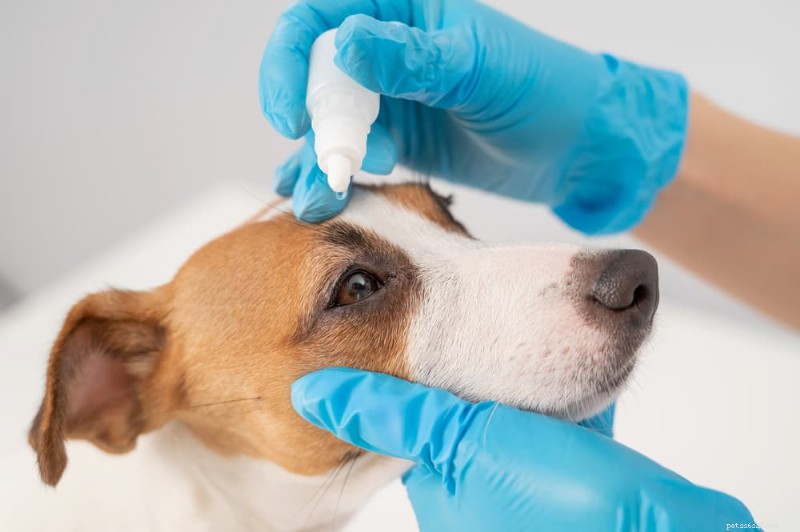
Effective management relies on prescription eye drops, gels, or ointments. Two main categories are:
- Tear stimulants—such as cyclosporine and tacrolimus—that enhance natural tear production. These medications typically take 4–6 weeks to reach full efficacy, so concurrent artificial tears are often prescribed for immediate relief.
- Artificial tears—lubricating solutions that soothe irritation and protect the cornea during the waiting period.
In cases of secondary infection, corneal ulceration, or severe inflammation, additional therapies may be needed. Treatment is usually applied at least twice daily, with artificial tears administered more frequently.
When topical therapy fails, a specialist may consider a salivary gland transplant. This surgical approach replaces the tear film with saliva, but it is complex and carries anesthesia risks.
With early detection and consistent treatment, most dogs recover well. However, unmanaged dry eye can progress to irreversible damage.
Long‑term management requires ongoing veterinary visits and strict adherence to the medication schedule.
Home Remedies Are Not Recommended
Because dry eye is primarily an autoimmune condition, prescription medications are essential. Self‑treating with over‑the‑counter or homemade solutions can worsen the problem.
How to Prevent Dry Eye in Dogs
While many cases are unavoidable, you can reduce risk by:
- Avoiding sulfonamide‑containing drugs when possible
- Minimizing eye trauma and exposure to radiation
- Managing chronic systemic diseases that may trigger ocular inflammation
Early veterinary assessment remains the best defense against vision loss.
- Pet Behavior
- Pet Breeds
- Pet Names
- Pet Adoption
- Pet Training
- Pet Information
- Pet Health
- Adorable Pets
- Dogs
- Free Poster: 6 Proven Tips to Desensitize Your Dog to Everyday Stressors
- Proven Tactics to Stop Separation Anxiety in Dogs
- Expert Guide to Optimal Hedgehog Diets & Nutrition
- Shogun – The Adorable Ragdoll Cat Featured This Week
- Veterinary Guide to Canine Osteosarcoma: Causes, Symptoms, Diagnosis & Treatment
- 4 Reasons Why Giving a Pet as a Gift Can Backfire
- Top Pet Party Decorations & Favors for an Unforgettable Celebration