

Dog Stomach Noises: What They Mean & When to Seek Veterinary Care
The familiar gurgling, growling, and rumbling sounds we hear in our own stomachs are also common in dogs. While a few soft noises are a normal part of digestion, frequent or loud sounds can signal an underlying health issue, sometimes even a serious one.
If you’re unsure whether your pup’s stomach noises are harmless or a warning sign, this guide walks you through the key facts and offers safe at‑home options. Always consult your veterinarian before changing your dog’s diet or adding supplements, especially if the gurgling worsens.
What Is Dog Stomach Gurgling and How Does It Sound?
In veterinary medicine, these sounds are called borborygmi. According to Dr. Kristopher Sharpe, board‑certified veterinary internist at BluePearl Specialty + Emergency Pet Hospital, the noises range from high‑ to low‑pitched and can often be felt as rhythmic contractions in the abdomen.
Dr. Julie Sanders, director of operations at Heart + Paw, explains that gurgling is simply gas moving through the intestines during normal peristalsis. “It’s always present to a small degree,” she says. “What raises concern is volume and frequency.”
Most dogs have quiet rumbling that goes unnoticed. Loud, persistent sounds may indicate a problem.
Common Causes of Excessive Stomach Noise

Borborygmi often mirrors human digestion and is largely tied to excess gas. Factors that increase gas production or slow transit time can amplify the noise.
- Hunger and normal digestion – After a meal, muscle contractions propel food, creating soft sounds.
- Empty stomach – When no food remains, gas is the only content, which can lead to nighttime or early‑morning gurgles.
- Rapid eating – Dogs that gulp food swallow air, producing more gas.
When the noises become louder or more frequent, veterinarians suspect conditions that disrupt gut function.
Serious Conditions to Consider
- Intestinal parasites – Roundworms, hookworms, and tapeworms can overcrowd the gut and produce gas.
- Bacterial infections – Campylobacter, Clostridia, and Salmonella may cause excess gas and inflammation.
- Gastroenteritis – A broad term for stomach or small‑intestinal inflammation; symptoms include diarrhea, vomiting, and fever.
- Intestinal obstruction – Ingested foreign bodies (toys, bones, wrappers) can block passage and trap gas.
- Endocrine disorders – Addison’s disease and hypothyroidism slow digestion, increasing gas buildup.
- Food allergies/intolerance – Common culprits in dogs include beef, chicken, egg, and dairy.
- Inflammatory bowel disease – Chronic gut inflammation from diet, infection, stress, or genetics.
When to Contact Your Veterinarian
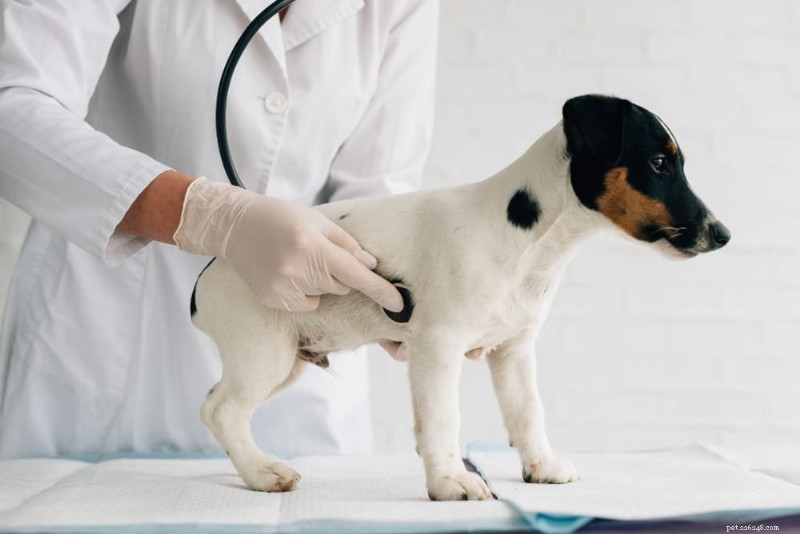
Quiet, occasional gurgles are usually harmless. If the noise grows louder, more frequent, or is accompanied by other symptoms, seek veterinary care promptly.
Because gas is a non‑specific symptom, the underlying cause can’t be identified by sound alone. Your vet will evaluate the complete picture.
Watch for these warning signs:
- Abdominal discomfort or tension
- Reduced appetite
- Nausea or vomiting
- Diarrhea or soft stool
- Blood in stool
- Decreased activity
- Abdominal bloating or distention
Safe At‑Home Strategies (if a serious illness is ruled out)
Once a vet rules out a severe condition, they may recommend home‑based adjustments, such as:
- Switching to a highly digestible or hydrolyzed‑protein diet.
- Adding fiber or prebiotic/probiotic supplements.
- Feeding smaller, more frequent meals.
- Using anti‑inflammatory medications as prescribed.
Dr. Sharpe cautions that pet owners often misinterpret early symptoms, delaying treatment and increasing costs. “Regular check‑ups and a strong vet‑owner partnership enable timely intervention,” he notes.
Telehealth can also provide guidance when an in‑person visit isn’t immediately possible, depending on state regulations.
- Pet Behavior
- Pet Breeds
- Pet Names
- Pet Adoption
- Pet Training
- Pet Information
- Pet Health
- Adorable Pets
- Dogs
- Why Do Dogs Sit on Your Clothes? A Trusted Guide to Their Behavior
- What Causes Dogs to Cough: Common Signs & When to Call the Vet
- Vet-Approved Calming Treats for Cats: Soothe Stress Naturally
- Why Labrador Retrievers Excel as Guide Dogs
- 21 Hilarious Animals Wearing Costumes of Other Species
- Top Medium‑Sized Dog Breeds for Your Family
- Complete Care Guide for Mexican Black Kingsnakes – Tips, Habitat, and Health