

Comprehensive Guide to Dog Allergy Testing: Types, Benefits, and Costs
Living with an allergic dog can be exhausting—persistent itching, digestive upset, and nighttime scratching can disrupt both your and your pet’s life. By identifying the exact allergens, a veterinarian can design a targeted plan that alleviates symptoms and restores comfort.
Dog allergy testing encompasses several methods, each with distinct benefits and costs. This guide breaks down the science behind the tests, the most common allergen types, and when testing might be the right choice for your pet.
Can Dogs Have Allergies?
Yes. About 20 % of dogs develop allergies during their lifetime, according to Amber LaRock, a licensed veterinary technician at EmergencyVetsUSA. Recent data from Banfield Pet Hospital’s 2018 State of Pet Health Report show a 30.7 % rise in environmental allergies over the past decade and a 12.5 % increase in flea‑related allergies.
Whether the rise reflects a true increase or greater owner awareness, more pet parents are seeking allergy testing and evidence‑based treatments.
Types of Allergies in Dogs

Dogs can react to virtually any substance, but the most frequent culprits are:
- Environmental allergens (pollen, dust mites, molds, household cleaning products)
- Flea saliva
- Food ingredients
Dr. Christina Restrepo, board‑certified veterinary dermatologist at BluePearl Specialty and Emergency Pet Hospital, notes that environmental allergens vary by region and climate but often include the items listed above. Food allergies are rarer—estimated at 0.2 % of dogs—but can involve proteins such as beef, chicken, eggs, corn, wheat, soy, and dairy.
Genetics also play a role. Breeds such as Golden Retrievers, Dalmatians, Boxers, Labrador Retrievers, Boston Terriers, and West Highland White Terriers are more predisposed to allergic reactions.
Common signs include intense itching, scratching, licking, chewing, and visibly inflamed skin. Persistent itch can lead to secondary bacterial or yeast infections, further complicating care.
What Is Dog Allergy Testing?
Allergy testing evaluates how a dog’s immune system responds to specific allergens. Two primary methods are used:
Intradermal (Skin) Testing
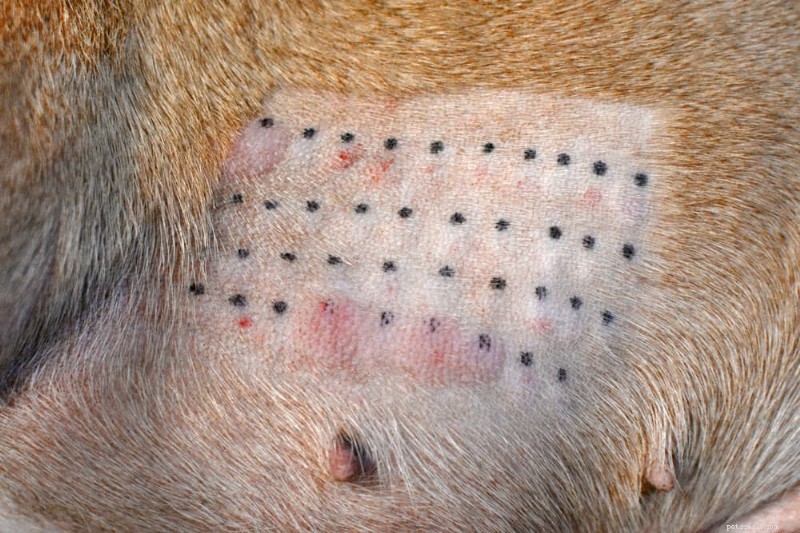
Performed by a board‑certified veterinary dermatologist, this test involves shaving a small area on the chest, injecting 60 or more allergens just under the skin, and observing for localized hive reactions. It is typically done under sedation or anesthesia and is considered the gold standard for environmental allergy detection.
Serum (Blood) Testing
Also known as a RAST test, any veterinarian can draw blood, which is then sent to a laboratory for analysis of IgE antibodies against a panel of allergens. Results usually take 2–4 weeks and require careful interpretation.
Both tests identify environmental allergens, allowing the creation of a customized immunotherapy “cocktail.” If a dog is not allergic to a particular agent, that allergen is excluded from the treatment mix.
Neither test detects food allergies. Diagnosing a food allergy requires a controlled elimination diet over 6–8 weeks, followed by a challenge phase.
Types of Dog Allergy Tests
Intradermal Allergy Testing for Dogs (Skin Allergy Test)
Dermatologists screen for a broad spectrum of environmental allergens—tree, weed, grass pollens, dust mites, mold spores, and flea saliva. They can identify the culprit in roughly 75 % of cases.
The procedure involves mild sedation, clipping the chest area, and administering about 60 intradermal injections. A visible hive indicates a positive reaction.
Serum Testing (Blood Allergy Test)
After a blood draw, the sample is sent to a specialized lab for IgE antibody analysis. The resulting data inform a personalized allergy treatment plan.
Serum tests take 2–4 weeks for results and are generally less expensive than skin testing, but laboratory selection can impact accuracy.
Dog Food Allergy Testing
Food allergies are confirmed by an 8‑week hypoallergenic diet trial followed by a re‑introduction (challenge). A return of itching after the challenge confirms a food allergy.
At‑Home Dog Allergy Tests
These kits claim to detect environmental and food allergens via a saliva swab sent to a company lab. However, veterinary experts caution that many brands report high false‑positive rates, and they are not recommended as a primary diagnostic tool.
Dog Allergy Testing Benefits

Testing provides precise allergen identification, enabling a veterinarian to tailor immunotherapy. Successful treatments can eliminate itch, reduce secondary infections, and lower long‑term veterinary costs. Owners also benefit from improved pet comfort and reduced nighttime disturbances.
Drawbacks of Dog Allergy Testing
Testing is time‑consuming and requires commitment from owners and skilled veterinary staff. Results can take up to a year to reach optimal efficacy. Success rates for immunotherapy range from 60–75 %, meaning a small proportion of dogs may not respond.
Costs vary widely, and many owners find the combination of test fees, sedation, follow‑up visits, and ongoing treatment burdensome.
Dog Allergy Testing Costs
Typical expenses include:
- Intradermal skin test: $195–$350
- Serum (blood) test: $80–$200
- Veterinary visit (exam, anesthesia, sedation): $50–$250
- Additional diagnostics or follow‑up visits: variable
- Allergy shots or drops (post‑testing): $40–$80/month
- At‑home test kits: $100–$250
Is Dog Allergy Testing Worth It?

For many dogs with chronic itching, allergy testing can dramatically improve quality of life. Most veterinarians achieve a 75 % diagnosis rate. If budget constraints exist, starting with a serum test is a cost‑effective first step.
Veterinarians often recommend a balanced approach: medication to control acute symptoms, combined with targeted testing for persistent or seasonal allergies. Discussing options with a board‑certified veterinary dermatologist will help determine the best strategy for your pet.
- Pet Behavior
- Pet Breeds
- Pet Names
- Pet Adoption
- Pet Training
- Pet Information
- Pet Health
- Adorable Pets
- Dogs
- 8 Blue Parrot Species Ideal for Pet Ownership
- Proper Nutrition for Newborn Kittens & Puppies: A Complete Guide
- Is Cinnamon Safe for Dogs? Expert Guide on Feeding Spices to Pets
- Harvey the Golden Retriever: The Inspiring Dog Who Brings Positivity to Denver Yoga Classes
- Can Dogs Safely Eat Almond Butter? Expert Insights
- Protect Your Dog from Rock Salt Hazards: Safe Winter Walking Tips
- Top 10 Small Rodents for Pet Lovers: A Comprehensive Guide