

Ant Bites on Dogs: Recognizing Symptoms and Safe Treatment
As a dog owner, you’re no stranger to the dangers of fleas, ticks, and mosquitoes. Yet many of us overlook another common backyard visitor: ants. While most ant species pose little threat, a few can bite dogs and cause discomfort or, in rare cases, allergic reactions.
Which Ant Species Are Most Dangerous to Dogs?
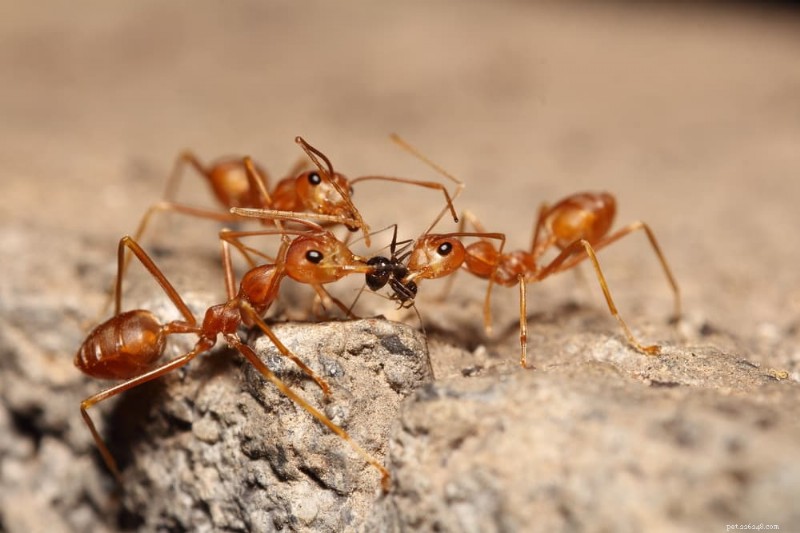
The ant species you’ll encounter depends largely on your region. Below are the most notable ones that can bite or sting dogs:
- Fire ants – Native to South America, now widespread in the southeastern U.S. They are reddish‑brown to black, aggressive, and will bite when disturbed. Dogs often experience painful swelling and itching.
- Harvester ants – Found in the Southwest (Kansas, Oklahoma, Texas, Utah, Arizona, Nevada). These red ants deliver a potent sting that can kill small rodents; in dogs, the sting is usually painful but rarely fatal.
- Leafcutter ants – Primarily a crop threat in South America, occasionally seen in the Southwest. They bite only when threatened but can still cause localized irritation.
- Carpenter ants – Common in the northern U.S., large in size but typically bite only if provoked. Interaction with dogs is uncommon.
Research local ant species and their behaviors to better protect your pet.
10 Signs Your Dog Has Been Bitten by Ants
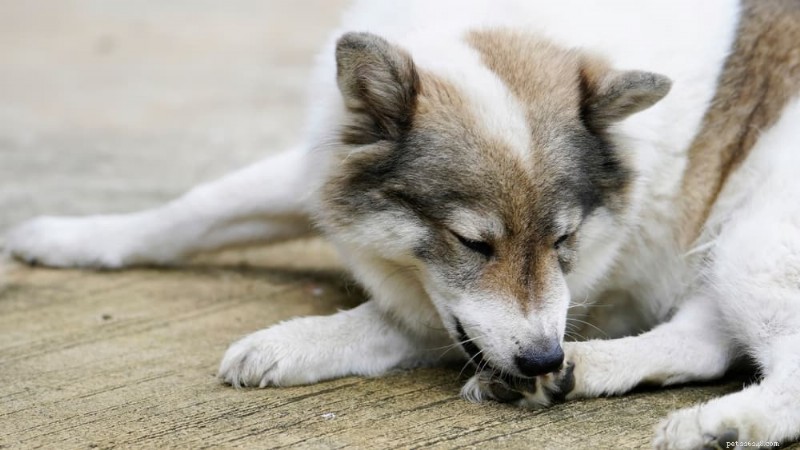
Most ant bites result in mild, localized reactions similar to those in humans: small, itchy bumps that may ooze pus. However, some dogs may develop a more severe response.
- Red, swollen bumps, sometimes with pus
- Itching or excessive licking of the affected area
- Limping if a paw is painful
- Restlessness or agitation if multiple bites occur
Allergic reactions, though uncommon, can be serious and require immediate veterinary care. Watch for:
- Widespread redness or hives
- Generalized itching across the body
- Facial or muzzle swelling
- Vomiting or diarrhea
- Difficulty breathing
Any signs of an allergic reaction should prompt a prompt call to your veterinarian or an emergency clinic.
How to Treat Ant Bites on Dogs
If your dog stumbles into an anthill, move them away from the area and gently brush off as many ants as possible—gloves are recommended to protect your hands. For mild bites, a cold compress can reduce pain and swelling; avoid topical ointments, which may encourage licking and infection.
In cases of an allergic reaction, treatment typically involves antihistamines (such as Benadryl) and steroids, sometimes requiring hospitalization. Always consult your vet before administering any medication.
For non‑allergic, localized bites, preventing excessive licking is key. A soft Elizabethan collar can keep your dog from disturbing the area while it heals.
Can Dogs Eat Ants?
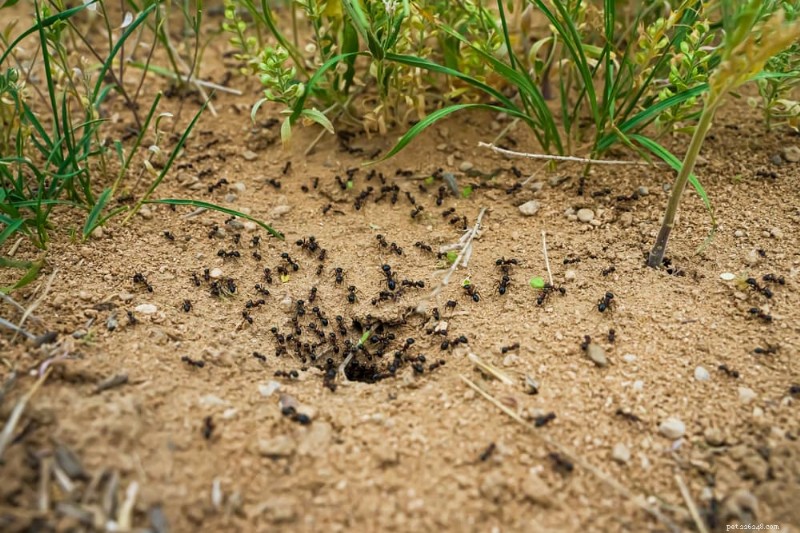
Occasional ant ingestion is generally harmless. Ants do not commonly carry pathogens that threaten dogs. However, ant baits or traps—containing sugar, oils, or plastic—can cause digestive upset or intestinal blockages. Keep all ant control products out of reach.
Preventing Ant Bites on Dogs
Control ant populations to reduce bite risk:
- Store dog food and other attractants in sealed containers.
- Consult a pest‑control professional for dog‑safe ant repellents or baits.
- Pet‑safe insect sprays exist, but most are less effective against ants than against mosquitoes or no‑see‑ums.
Maintaining a clean, ant‑free environment is the most reliable strategy for protecting your dog.
- Pet Behavior
- Pet Breeds
- Pet Names
- Pet Adoption
- Pet Training
- Pet Information
- Pet Health
- Adorable Pets
- Dogs
- Canterbury Woman Raises Funds for Homeless Cats by Running 200km, Inspired by Her Feline Companions
- Newfoundland Dog: Loyal Companion & Fisherman's Classic
- Is Your Dog Over-Mouthing? How to Stop Excessive Mouth Use
- Self-Rewarding Behaviors: Part 2 – Navigating Challenges with Emmett and Lucas
- Why Cats Are Said to Have Nine Lives: The History Behind the Myth
- Top Dog Chew Toys for Health & Safety
- Safe Amoxicillin Dosage for Dogs: Expert Guidelines