

Dog Ear Wax Color Guide: What Each Shade Reveals About Your Pet’s Ear Health
Dog ears naturally produce cerumen—an oily, protective wax that traps debris, pollen, and skin cells. While a small amount of wax is normal, changes in its color or consistency can signal an underlying issue such as infection or mites.
Below is a concise, evidence‑based color chart to help you identify potential problems and a step‑by‑step guide for safe ear cleaning. If you notice any abnormal signs, consult your veterinarian promptly.
Do Dogs Have Ear Wax?

All dogs produce cerumen, composed of dead skin cells and glandular secretions. It is visible along the outer ear canal and plays a vital role in protecting the ear by trapping foreign material and preventing moisture buildup.
Because the wax is oily, it repels water, thereby limiting the risk of excess moisture that could foster bacterial or fungal growth.
Normal Dog Ear Wax: What Does It Look Like?
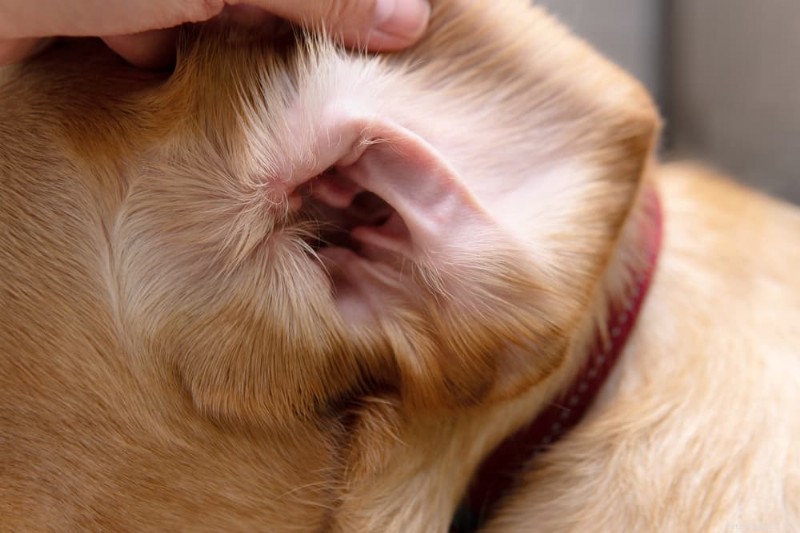
In a healthy dog, ear wax is typically a light brown hue and is semi‑soft, not ooze‑like or overly moist. Dr. Lisa Goin, a partner at Heart + Paw in Glen Mills, PA, notes that a minimal amount of light brown discharge is expected, but any accompanying redness or itching warrants veterinary attention.
Veterinary expert Dr. Jerry Klein, chief veterinary officer for the American Kennel Club, adds that the ear canal should appear light pink, free of excess hair, inflammation, or odor. A clean, fresh scent—without fetor—is a good indicator of ear health.
Below is a quick reference to help you interpret different wax colors and when to seek professional care.
Dark Brown / Black – Possible Mites or Infection
Dark brown or black wax that resembles coffee grounds is often a red flag for ear mites or fungal/yeast infections. Klein advises prompt veterinary evaluation if you observe this shade.
Brown – Watch for Signs of Trouble
Light brown wax is generally normal. However, brown wax accompanied by odor, inflammation, or excessive discharge may indicate infection. Goin stresses that even a small amount of normal‑looking discharge can be problematic if redness or itching is present.
Yellow – Mildly Normal, but Watch for Moisture
Yellow wax in small quantities is usually acceptable. Klein cautions that a very moist, yellowish discharge could signal a severe infection. Be aware that light yellow may be confused with light brown.
Red or Reddish Brown – Blood in the Wax
Redness in the wax typically reflects bleeding from irritation, insect bites, or trauma. This should prompt a veterinary visit, as underlying causes such as allergies or infections often accompany the bleeding.
Green – Likely Infection
Green wax, especially if accompanied by a foul odor, is commonly associated with bacterial, yeast, or fungal infections. Klein recommends immediate veterinary assessment.
Gray – Possible Dirt or Infection
Gray wax may result from accumulated debris or a mild infection. Clean the ear gently; if the wax returns to a normal yellow or light brown, the issue is likely minor. Persistent gray or worsening symptoms warrant a professional check.
Ear Mites vs. Ear Infections

Ear mites produce a dry, coffee‑ground‑like discharge and are most common in kittens and puppies. They also cause intense itching and may lead to secondary infections. The definitive diagnosis requires a microscopic examination of ear debris, typically performed by a veterinarian or veterinary technician.
Safe Ear Cleaning Practices
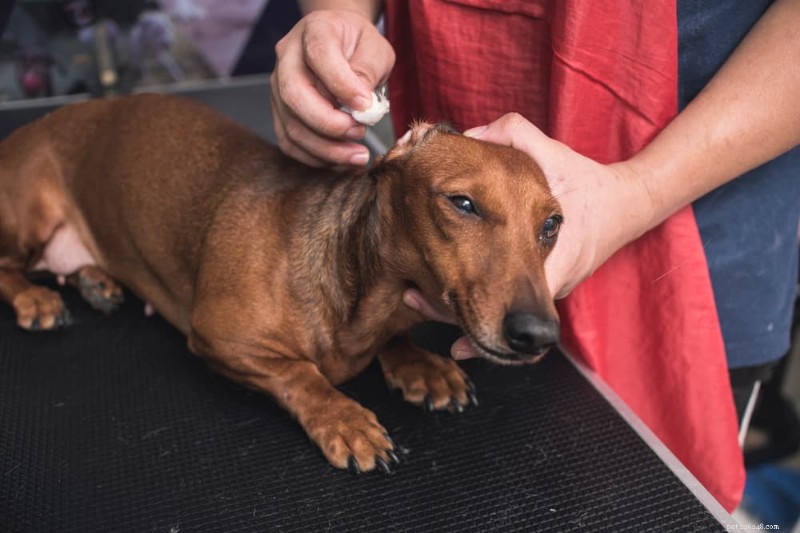
Ear cleaning frequency varies by breed, lifestyle, and predisposition to ear issues. For instance, breeds with floppy ears or heavy ear hair—such as Poodles, Schnauzers, and Cocker Spaniels—may need more frequent checks. Weekly cleaning with a vet‑approved cleanser can help prevent infections.
Always follow your veterinarian’s instructions or a demonstrated cleaning technique. If you feel confident, the following steps can be used for home cleaning:
Step 1: Saturate a cotton ball with a veterinarian‑recommended ear cleaner and wipe the outer ear and visible canal without inserting too deep.
Step 2: Gently squeeze the cotton ball and massage the base of the ear to mobilize debris.
Step 3: Allow the dog to shake its head; this action often brings wax to the surface for easier removal.
Step 4: Reward the dog with a favorite treat to create a positive association.
Safety Tips
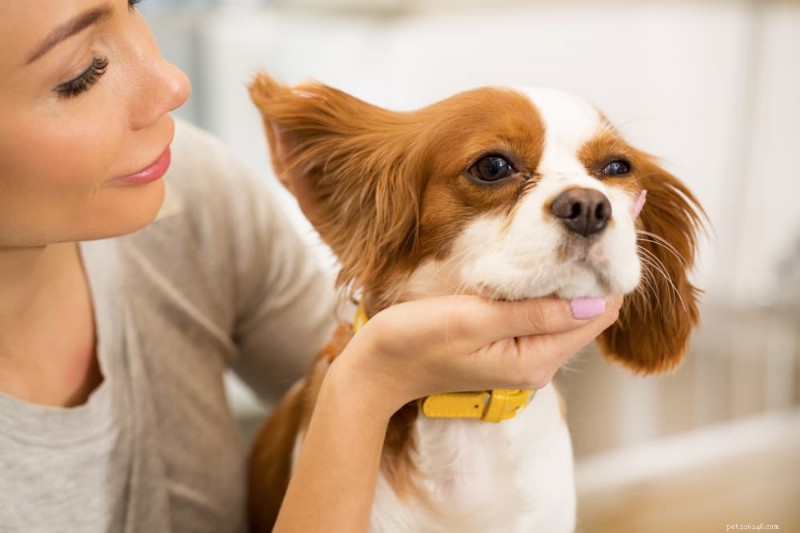
Only clean what’s visible. Focus on the outer ear and the lower part of the canal; avoid deep insertion to prevent pushing debris further in or damaging the eardrum.
Avoid cotton swabs. They can break off and lodge in the ear, potentially requiring emergency removal.
Use vet‑approved cleaners. Homemade solutions such as vinegar or hydrogen peroxide can disrupt the ear’s natural pH and flora, leading to irritation or damage.
Follow the product label carefully and seek veterinary advice if the ear appears irritated or the dog shows signs of discomfort.
When to Skip Cleaning
Do not clean the ears if the wax is dark brown, black, green, or if there is excessive moisture, foul odor, or visible cuts. Cleaning under these conditions can aggravate the problem and cause pain.
When to Consult a Veterinarian
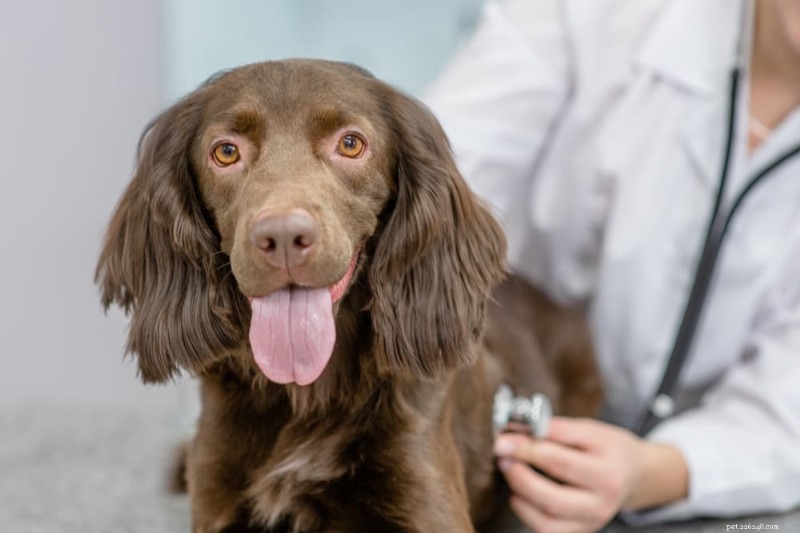
Seek immediate veterinary care if:
- The dog shows pain or discomfort when the ear is touched.
Early intervention can prevent complications, reduce treatment costs, and protect your pet’s quality of life. Pet insurance can help offset veterinary expenses for unexpected ear infections or mite treatments.
- Pet Behavior
- Pet Breeds
- Pet Names
- Pet Adoption
- Pet Training
- Pet Information
- Pet Health
- Adorable Pets
- Dogs
- Is My Dog Depressed? Expert Tips to Identify & Address Canine Mood Issues
- Top Automatic Cat Feeders 2022: Reliable, Timed Feeding for Healthy Cats
- The Ultimate Guide to Selecting a Saltwater Aquarium Filtration System
- Understanding Your Cat’s Play Style: Social, Solo, and Beyond
- Take on the Four Peaks Challenge - Climb England's, Scotland's, Wales's, and Northern Ireland's Highest Summits
- Child Interviews Her Cat About Its Personality, Goes Viral
- Pomchi (Pomeranian-Chihuahua Mix): Key Breed Facts & Care Guide