

Dog Scabs Explained: Types, Causes, and Effective Treatments
All featured products are chosen at the discretion of the GreatPetCare editorial team and do not reflect a direct endorsement by the author or reviewer.
Whether you spot or feel scabs during bath time, they can signal underlying skin issues. Some are harmless, others warrant veterinary care.
Read on to learn how to distinguish types, identify causes, and take effective action.
What Is a Scab?
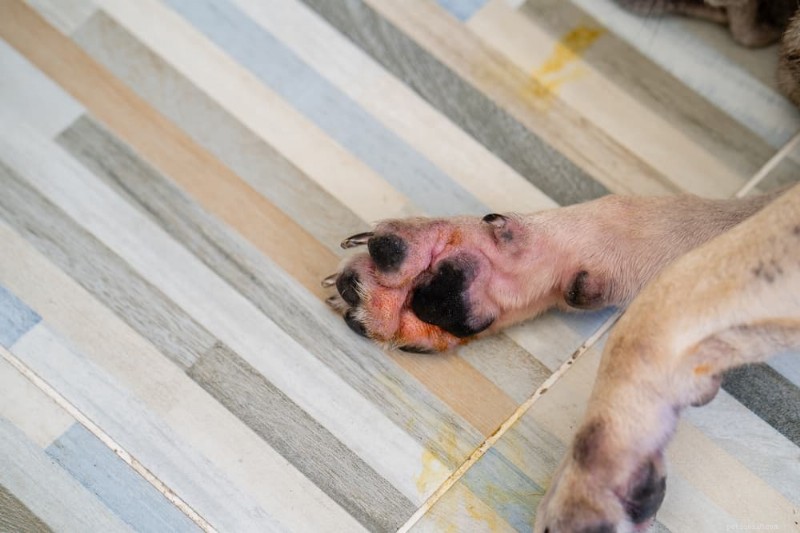
A scab is a natural protective crust that forms over damaged skin. When the epidermis is breached—by injury, parasite bite, or infection—platelets clot and seal the wound.
Once healing completes, the scab typically detaches on its own.
Common Types of Dog Scabs

Scabs vary in appearance, reflecting their underlying cause. Below are the most frequently seen forms:
Crusty Scabs—a diffuse, brown‑to‑gray crust covering large areas, often linked to allergies, parasites, bacterial or yeast infections, or hormonal changes.
Black Spots—often mistaken for scabs, these are usually flea dirt or hyperpigmentation. Hyperpigmentation is harmless darkening following chronic inflammation.
Raised Scabs—elevated lesions that may signal trauma, chronic scratching, or, in severe cases, a skin mass or infection.
Yellow Scabs—indicative of seborrhea or other dermatologic conditions, these appear yellowish and flaky.
Red Scabs—the result of active bleeding, commonly from puncture wounds or abrasions.
Itchy Scabs—often associated with allergies, parasites, or infections that cause intense itching.
Underlying Causes

Scabs can arise from a wide range of triggers:
- Parasite bites (ticks, fleas) – regular preventive treatment, e.g., Bravecto Topical, offers 12‑week protection.
- Environmental injury – thorns, brush, or rough terrain.
- Dog fights or self‑scratching – leading to secondary wounds.
- Allergies – flea, food, or environmental allergens that provoke skin inflammation.
- Skin infections – bacterial or fungal, often complicating allergic dermatitis.
- Autoimmune disorders – such as lupus or pemphigus.
- Skin cancer – chronic, non‑healing scabs may be malignant.
Non‑healing scabs should prompt a veterinary consultation.
Common Locations

Location can offer clues to the cause:
- Belly & back—often associated with allergic dermatitis, accompanied by hair loss and redness.
- Armpits & sides—areas where dogs scratch intensely, pointing to self‑trauma or itch.
- Ears—may indicate ear infection or allergic itching.
- Nose—trauma from rubbing, ringworm, or autoimmune lesions.
Treatment Options

Minor, isolated scabs usually heal without intervention. However, if a scab becomes inflamed, swollen, or is licked excessively, veterinary care is advised.
Veterinarians may prescribe a topical antimicrobial—such as Animax—or recommend an Elizabethan collar to prevent licking. For extensive or persistent scabs, a comprehensive plan including antibiotics, allergy medication (e.g., Apoquel), or medicated shampoos (e.g., Sebozole) is warranted.
Typical Cost of Scab Treatment
Scab management involves a range of expenses:
- Elizabethan collar: $10–$20 for a 40‑lb dog; alternatives $20–$40.
- Treatment of pyoderma: $200–$400, covering exam, cytology, culture, and care.
- Prescription shampoos: $10–$40.
Pet health insurance can offset these costs, especially for chronic conditions.
Prevention Strategies

Preventing scabs centers on minimizing injury and maintaining skin health.
Limit outdoor exposure to high‑risk areas and keep your yard safe and well‑trimmed. Use a broad‑spectrum parasite preventive like Credelio Quattro to reduce insect bites.
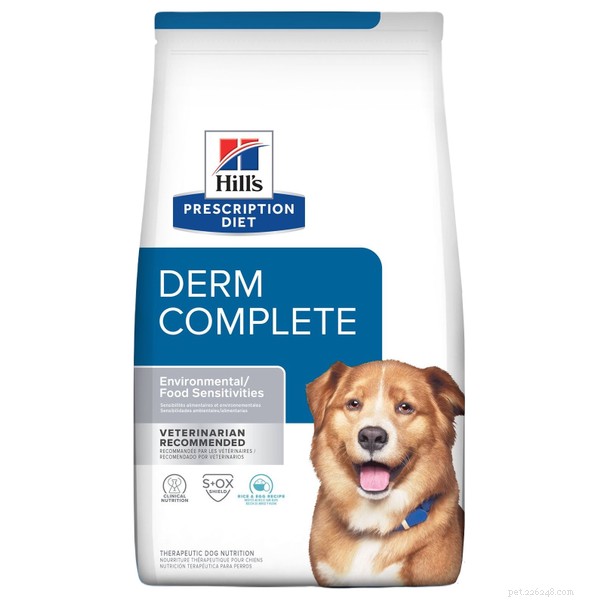
Feed a balanced diet and bathe regularly—ideally monthly—to keep skin supple. For dogs with diagnosed allergies, collaborate with your vet to create a tailored skin‑care plan, potentially including a therapeutic diet such as Hill’s Prescription Diet Dog Derm Complete.
- Pet Behavior
- Pet Breeds
- Pet Names
- Pet Adoption
- Pet Training
- Pet Information
- Pet Health
- Adorable Pets
- Dogs
- Expert Guide to Whelping: Delivering Puppies Safely
- Capture Stunning Holiday Photos of Your Pet: Tips for Adorable, Professional Shots
- Three Reliable Methods to Identify a Kitten’s Gender
- Determine Your Horse’s Age: A Proven Guide with Visuals
- Red-Headed Lovebird Care: Tips for a Happy, Healthy Pet
- Top Holiday Cat Memes & Cartoons: Hilarious Christmas Feline Fun
- Are Shrimp Tails Safe for Dogs? Expert Guide Before Feeding