

Yellow Vomiting in Dogs: Causes, Symptoms, and Expert Treatment Advice
When a dog vomits, owners often struggle to interpret the sign because their pet can’t communicate. Yellow vomit is one of the most frequently observed colors and can signal a range of conditions, from mild to serious.
Below is a concise guide—crafted by veterinary experts—to help you assess, treat, and prevent yellow vomiting in your canine companion.
Is Yellow Vomit a Red Flag?

Yellow bile in vomit usually indicates an empty stomach. It is common in healthy dogs after fasting, but repeated episodes, or the presence of blood or other abnormal features, warrant veterinary attention. Observe your dog for additional signs such as lethargy, diarrhea, loss of appetite, or weakness. If any of these appear, contact a vet within 48 hours.
Variations of Yellow Vomit
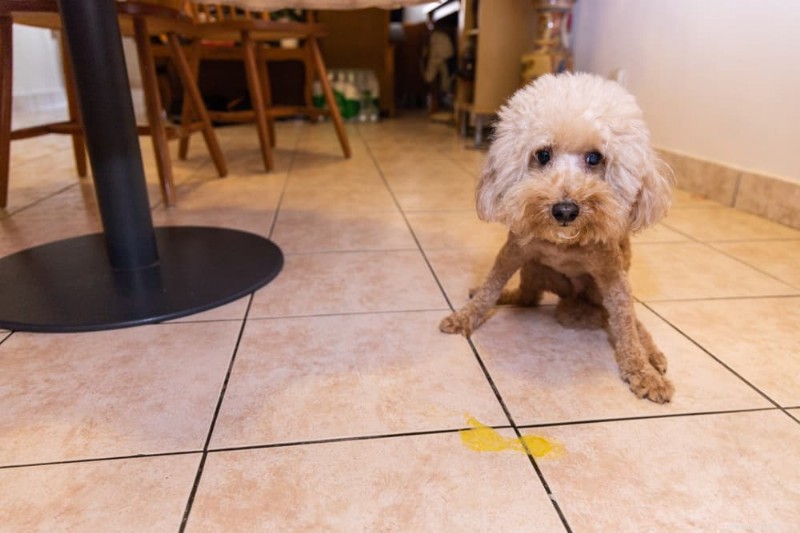
Yellow vomit can look different depending on its source:
- Foamy yellow bile—usually a small volume with a frothy texture.
- Slimy yellow mucus—often seen in bile‑rich vomit.
- Watery yellow liquid—typically occurs when a dog drinks a lot of water before vomiting.
If the vomit contains food particles or foreign objects, the cause may be unrelated to bile.
Common Causes of Yellow Vomiting
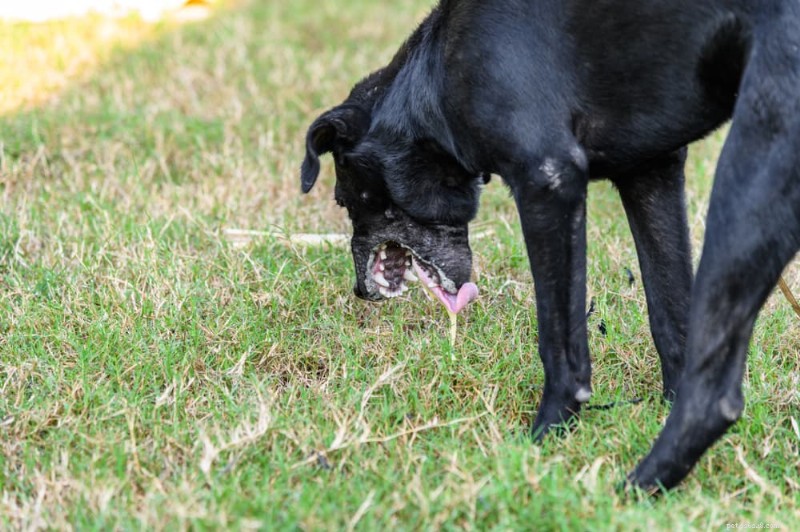
While bile is the primary culprit, other factors can produce yellow vomit:
Bilious Vomiting Syndrome (BVS)
Young dogs may vomit bile when their stomach is empty, often early in the morning or late at night. BVS is a diagnosis of exclusion; a veterinarian should rule out other conditions.
Liver or Gallbladder Disease
Liver dysfunction or gallbladder disorders can lead to chronic bile vomiting and are usually accompanied by lethargy, jaundice, or weight loss.
Ingestion of Foreign or Toxic Substances
Eating trash, human food, or non‑edible items can cause gastritis and bile vomiting. Intestinal blockages from indigestible objects are medical emergencies.
Food Allergies or Intolerances
Switching foods too quickly or feeding an allergenic ingredient can trigger vomiting shortly after meals, often with food residue present.
Eating Yellow Items
Consuming yellow grass, foods, or toys may produce yellow vomit that is not bile.
Systemic Diseases
Conditions such as pancreatitis, kidney disease, parasitic infections, or toxin exposure can present with yellow vomit, often alongside diarrhea or weight loss.
Treatment Strategies

Management depends on severity:
- Single, isolated episode: Withhold food and water for 12 hours, then offer a small bland meal. If the dog tolerates it, monitor for 24 hours.
- Repeated nighttime episodes: Provide a late‑night snack and shift the first meal earlier.
- Multiple or persistent vomiting, or additional symptoms: Seek veterinary care immediately.
During a veterinary visit, the clinician will review medical history, perform a physical exam, and may order blood work, urinalysis, fecal exams, and abdominal imaging. Treatment may include fluid therapy, anti‑nausea medication, antibiotics, acid reducers, or surgery, depending on the underlying cause.
Preventing Vomiting
Prevention focuses on minimizing exposure to harmful substances and maintaining overall health:
- Annual wellness exams and routine labs to catch diseases early.
- Up‑to‑date vaccinations.
- Balanced diet with properly cooked meats; transition foods slowly.
- Limit human food to low‑fat, bland options.
- Secure plants, medications, chemicals, and trash out of reach.
- Supervise playtime, especially with chew‑intolerant toys.
Early veterinary intervention improves outcomes and reduces costs. If your dog vomits yellow and you’re uncertain, call your veterinarian for guidance.
- Pet Behavior
- Pet Breeds
- Pet Names
- Pet Adoption
- Pet Training
- Pet Information
- Pet Health
- Adorable Pets
- Dogs
- The Truth About Duckling Colors: Why Some Are Yellow and What Others Look Like
- Teach Your Dog to Shoot the Hoop: A Step‑by‑Step Trick
- Essential Vitamin D for Dogs: How Much, Where to Get It, and Safe Supplementation
- Explore the Best Dog Memes for Instant Laughter
- Pure Gold CBD Oil for Dogs: In‑Depth Review & Pet Wellness Benefits
- Safe Chicken & Rice Diet for Quick Diarrhea Relief in Dogs
- Spanish Mastiff (Mastín Español): Characteristics, Care & Adoption Guide