

Dog Vomit Color Guide: Interpreting Every Shade for Better Health Care
Observing your dog’s vomit can be distressing, yet it offers valuable clues about their well‑being. While occasional vomiting is normal, the color and consistency can signal underlying health issues.
What Color Should Dog Vomit Be?
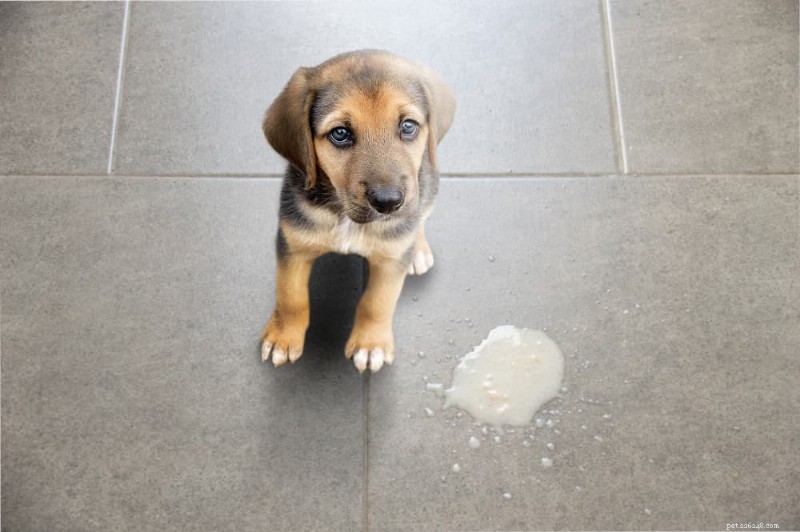
There isn’t a single “normal” color for dog vomit. It can range from dark brown to white‑yellow. Dr. Katie Pagan, a partner veterinarian at Heart + Paw in Fells Point, Maryland, notes that the shade varies with the dog’s diet and individual biology.
Dr. Zay Satchu, chief veterinary officer and co‑founder of BondVet in New York City, cautions against assigning rigid meanings to a color. For instance, red vomit could mean blood or simply food that contains a red hue. Even items like roadkill, food scraps, or another animal’s feces can alter the appearance.
Types of Dog Vomit

Consistency is as informative as color. Below are the main types you may encounter:
Chunky Vomit
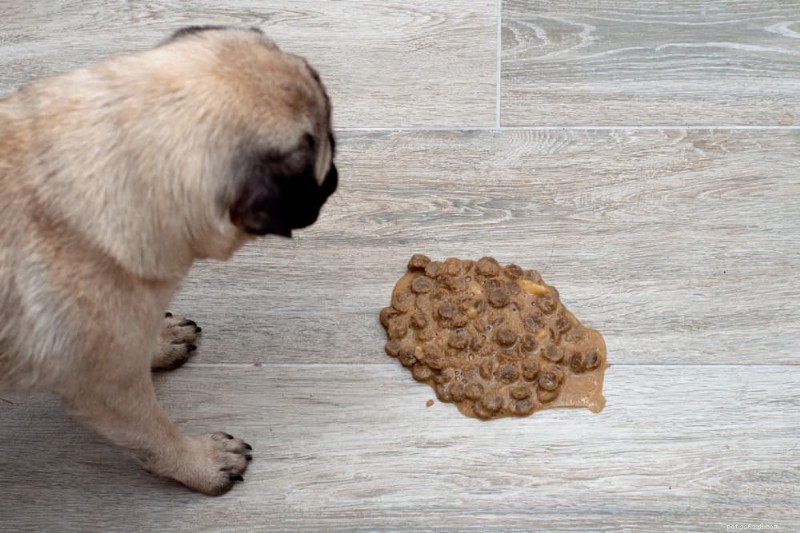
When food hasn’t fully broken down, vomit appears chunky. “If it looks like food with a slimy coating and occurs 5‑10 minutes after eating, we refer to it as regurgitation, often a sign of overeating,” explains Dr. Pagan.
Liquid Vomit
Liquid or slimy vomit typically indicates an empty stomach or the expulsion of bile—a yellow substance produced by the liver that aids digestion. Bile vomiting, especially in the morning, may point to bilious vomiting syndrome, food allergies, pancreatitis, or intestinal blockage.
Slimy Vomit
Excessive salivation can produce a slimy appearance, often caused by nausea. Nausea can stem from liver disease, heat stroke, stress, or other conditions, so veterinary evaluation is advisable.
Foamy Vomit
Foamy or frothy vomit is usually linked to bile. It can also mimic the coughing associated with kennel cough, where the dog hisses out foam that looks similar to vomit.
“Coffee Grounds” Vomit
If the vomit resembles dark brown coffee grounds, contact your veterinarian immediately. This appearance often indicates digested blood and may signal internal bleeding.
Vomiting vs. Regurgitation
Distinguishing between vomiting and regurgitation helps identify potential health concerns. Dr. Satchu explains:
Vomiting
Vomiting is an active process involving retching or heaving motions, often accompanied by abdominal contractions. It usually occurs at varying times after eating and can present in any consistency.
Regurgitation
Regurgitation is passive; food or liquid simply “tumbles” out without retching. It typically happens 5‑10 minutes after a meal and often appears as whole food coated with a thin slime.
While observing the exact moment can be challenging, noting these differences can provide useful context for your veterinarian.
Although no color chart can diagnose a condition, each shade offers clues that, when combined with other symptoms and recent intake, guide veterinary assessment.
Clear Liquid Vomit
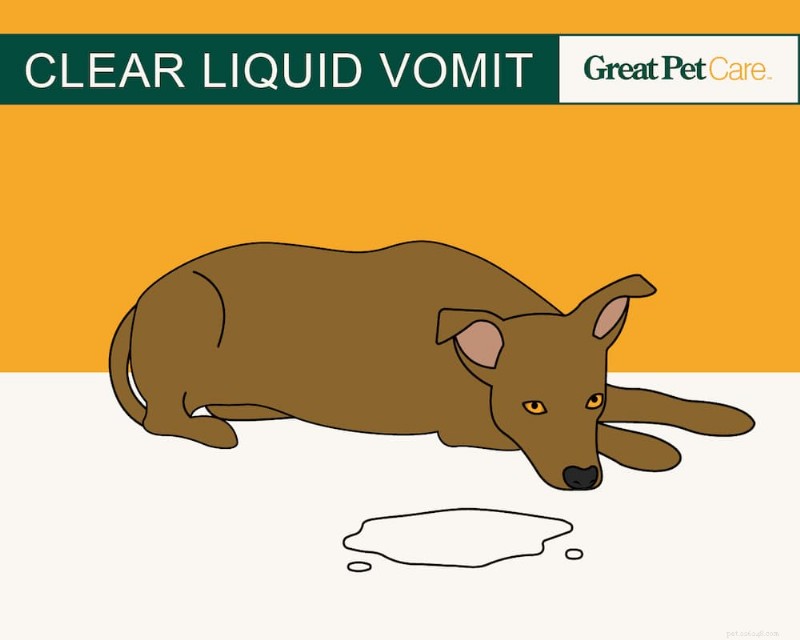
A clear, colorless vomit generally indicates an empty stomach or regurgitated saliva. Rapid water consumption can also produce this pattern.
White Foamy Vomit
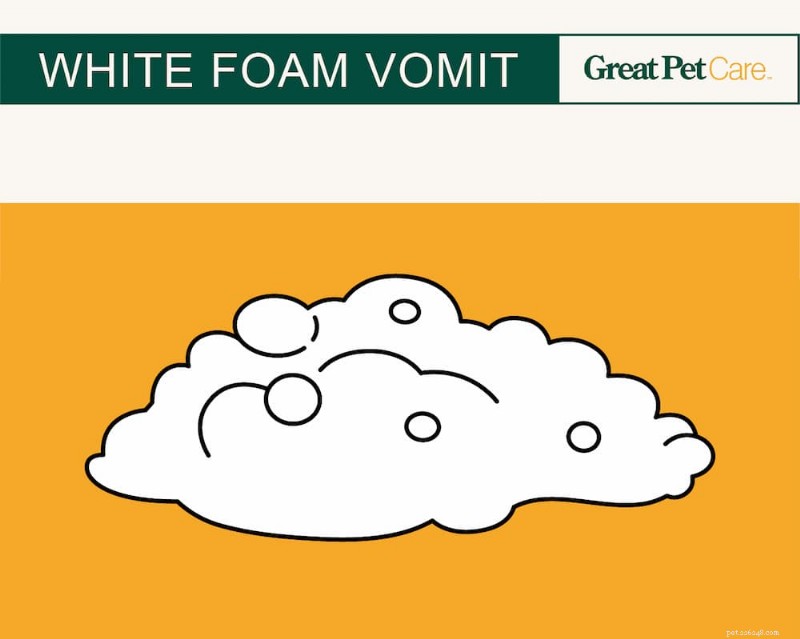
White foam usually points to bile or an empty stomach. In some cases, what appears as vomiting may actually be a hacking cough from kennel cough.
Yellow Vomit
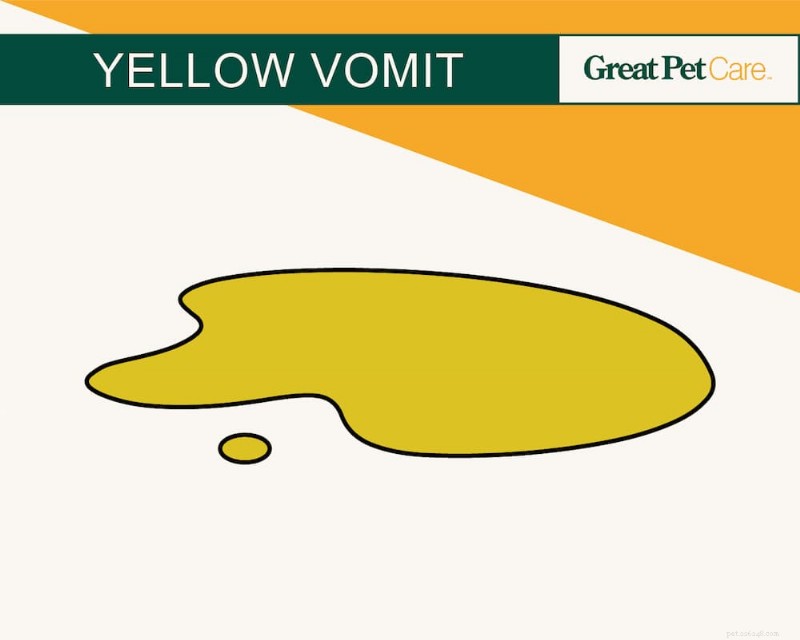
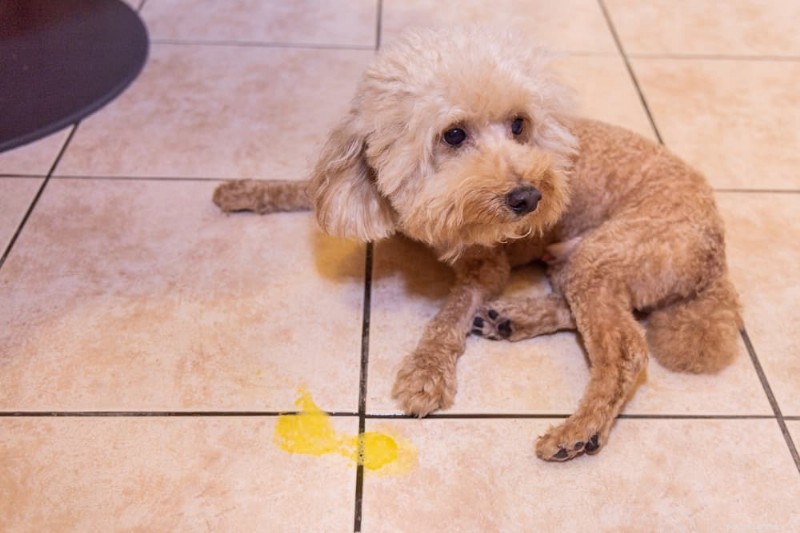
Yellow liquid often signifies bile, especially when the dog hasn’t eaten. Persistent yellow vomit in the morning may indicate bilious vomiting syndrome. Yellowing of the eyes (jaundice) alongside this symptom warrants immediate veterinary attention. Foods with natural yellow pigments, including certain grasses, can also tint vomit yellow.
Green Vomit
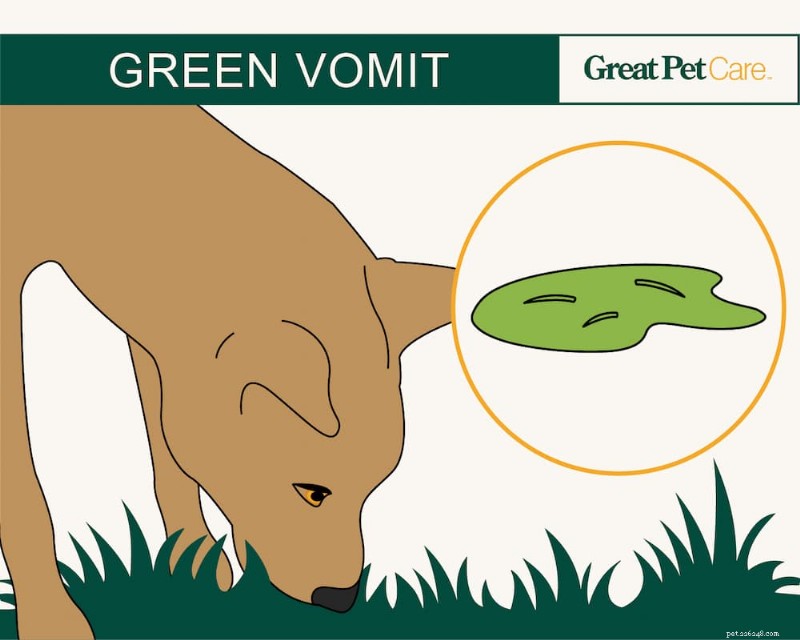
Green vomit is usually diet‑related, often due to grass ingestion. It can also signal liver or gallbladder issues, so monitor your dog’s behavior and consult a vet if concern persists.
Brown Vomit
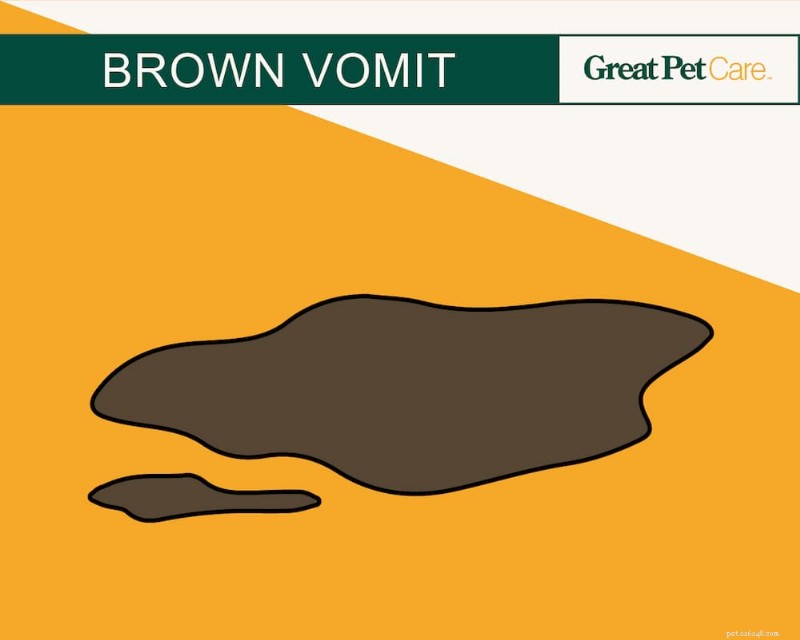
Brown vomit is common and generally harmless. However, if it looks like coffee grounds, seek veterinary care promptly.
Orange Vomit
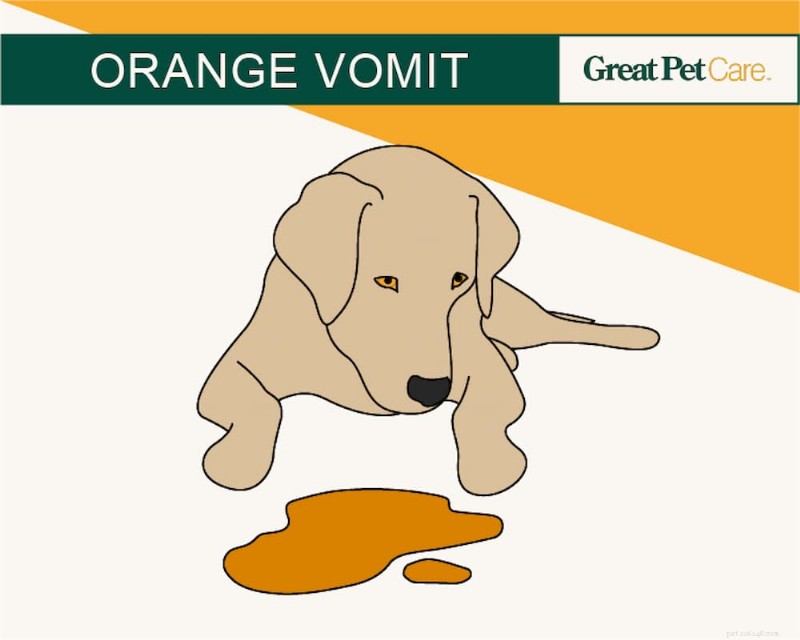
Orange vomit is usually diet‑related. If no clear food source explains it, schedule a vet visit, as it could indicate bleeding mixed with yellow bile.
Red Vomit
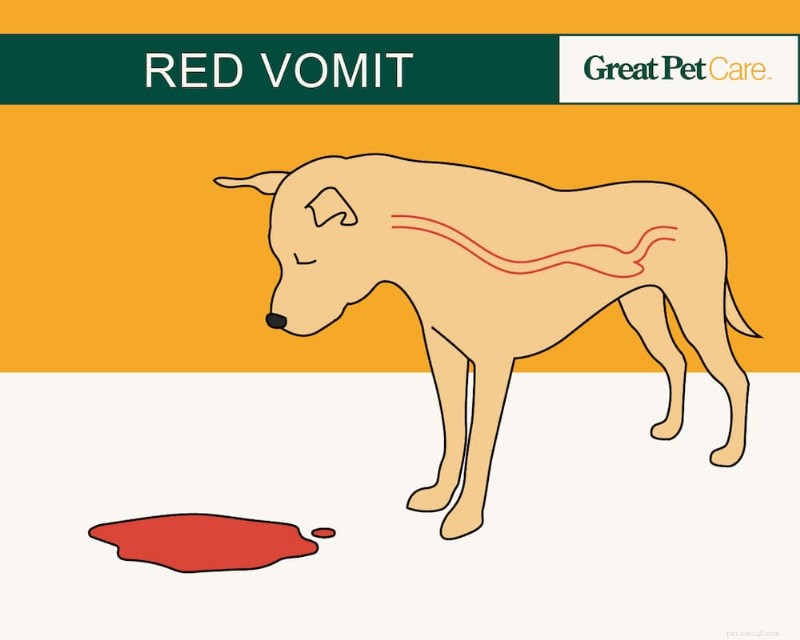
Red vomit may arise from foods with red pigments or, more concerningly, blood in the stomach or upper intestines. Contact your veterinarian if this occurs.
Dark‑Colored Vomit
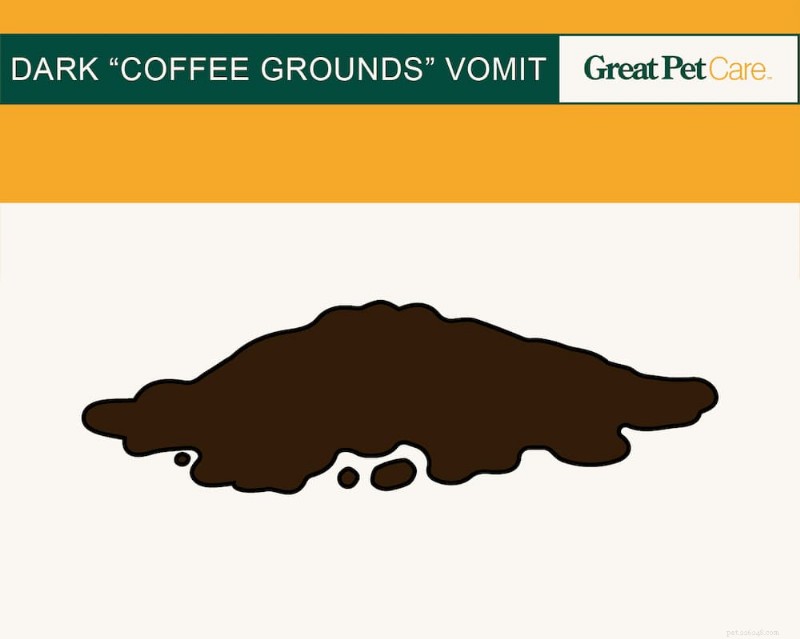
Very dark vomit resembling coffee grounds or black can indicate bleeding in the digestive tract. It may also simply reflect a dark food or fecal ingestion. Prompt veterinary evaluation is essential if you observe these colors.
Always verify with a veterinarian if anything seems abnormal; this guide serves as a reference, not a definitive diagnosis.
When to Seek Immediate Veterinary Care

Although occasional vomiting is normal, consider calling your vet immediately if you notice any of the following:
- Blood or blood‑tinged vomit
- Persistent, severe, or frequent vomiting
- Evidence of ingestion of a toxic substance or foreign object
- Vomiting accompanied by fever, lethargy, or other illness signs
When in doubt, err on the side of caution. If vomiting continues on an empty stomach or is paired with appetite loss, schedule a vet visit promptly.
Taking a clear photo of the vomit can be invaluable. Vets often rely on visual clues to narrow down causes, so don't hesitate to send a snapshot if possible.
Estimated Costs for Treating Dog Vomit
Treatment costs vary based on the underlying cause, required medications, and whether a routine or emergency visit is needed. Complex conditions such as pancreatitis, organ failure, or intestinal obstruction can cost several hundred to several thousand dollars. For instance:
- Acute pancreatitis: $200‑$2,000+ (depending on size, hospitalization, and outpatient care)
- Dehydration from repeated vomiting: $300‑$1,000 (including IV fluids, diagnostics, and specialist fees)
Pet health insurance can mitigate expenses, and many veterinary offices accept CareCredit, a flexible financing option for emergencies and treatments. Always discuss financial options with your provider before proceeding.
FAQs
Why do dogs throw up?
Dogs may vomit due to overeating, rapid consumption, ingestion of inappropriate items, infections, toxins, or underlying medical conditions. A vet can pinpoint the exact cause.
What color is my dog’s stomach acid?
Stomach acid typically appears clear or slightly yellowish, often foamy when vomited. Frequent clear vomit may signal an empty stomach or digestive irritation.
What does bile in dogs look like?
Bile is usually yellow or greenish and watery. It’s commonly expelled when the stomach is empty or if the digestive tract is irritated.
What does dog throwing up blood look like?
Fresh blood appears bright red; partially digested blood looks like coffee grounds. Both scenarios require immediate veterinary attention.
How can you stop your dog from throwing up?
For a single episode, withhold food for a few hours and offer a bland diet thereafter. If vomiting persists or your dog shows additional signs of distress, contact your vet promptly.
*Subject to credit approval
This information is provided for convenience only. Neither Synchrony nor its affiliates, including CareCredit, make representations or warranties regarding the products described, and no endorsement is implied. Consult your individual veterinarian for professional advice.
- Pet Behavior
- Pet Breeds
- Pet Names
- Pet Adoption
- Pet Training
- Pet Information
- Pet Health
- Adorable Pets
- Dogs
- Top Healthy Dog Food Brands for Optimal Nutrition
- How to Teach Your Dog to Love Water: Easy Games & Tips
- Stop Puppy Chewing: Proven Strategies for Gentle, Effective Training
- Why Are My Kitten’s Whiskers Short? Understanding Common Causes
- 16 Hilarious Animal Moments Guaranteed to Brighten Your Day
- The Ultimate Guide: 1,000+ Creative Lizard Names for Your Reptile
- Do Ferrets Require a Cage? Understanding Cageless Ferret Care