

How and When Puppies Shed Their Baby Teeth
Puppies share many milestones with human babies—rest, appetite, frequent bathroom breaks, and a teething phase that can be both fascinating and challenging. Understanding the natural timeline, expected behaviors, and when to seek veterinary care can make this transition smoother for both you and your pup.
Do Dogs Have Baby Teeth?

Like humans, dogs develop two sets of teeth: deciduous (puppy) and permanent. Puppies begin with 28 milk teeth; adults eventually have 42—20 on the top and 22 on the bottom. According to Dr. Jerry Klein, chief veterinary officer for the American Kennel Club, puppy teeth erupt between 3 and 6 weeks of age and are fully visible by six weeks. The transition to permanent dentition starts around 12–13 weeks and concludes by six months.
Dr. Donnell Hansen, associate veterinarian at BluePearl Veterinary Partners, notes that while the two sets differ in size and shape, their functions—grabbing, holding, shearing, and grinding—remain consistent.
Puppy teeth are noticeably sharper and more needle‑like than adult teeth, a fact that explains why many owners observe their pup’s gnawing behavior.
When Do Puppies Lose Their Baby Teeth?
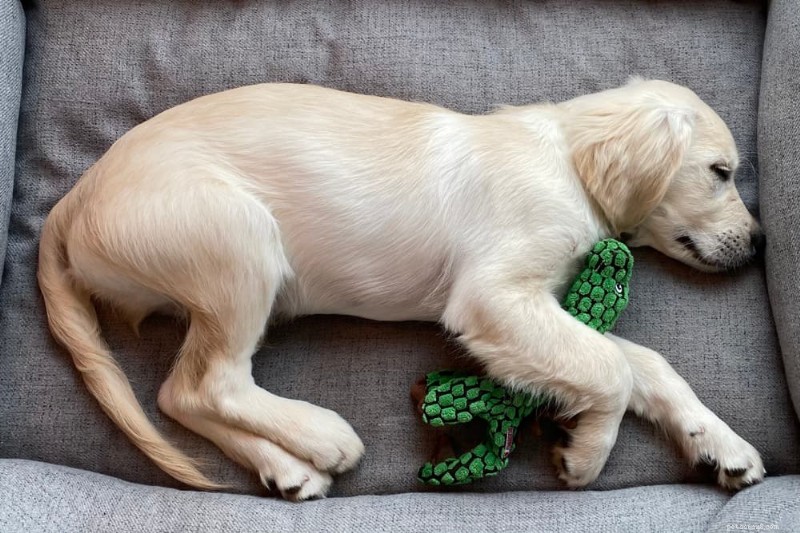
Most puppies start shedding incisors at about three months. By four to five months, the majority of milk teeth are gone and the first adult molars appear. By six months, all baby teeth should have been replaced by permanent teeth.
What Do Puppy Teeth Look Like When They Fall Out?
Milk teeth are small and fragile; owners often miss them as they fall out, disappear on the floor, or are swallowed harmlessly. Unlike human baby teeth, they rarely discolor before shedding. A yellowed or cloudy tooth may signal infection and warrants a vet visit.
Does the Teething Process Differ by Breed?

Small breeds—such as Chihuahuas and Yorkshire Terriers—are prone to retained deciduous teeth, where one or more milk teeth fail to shed. This can lead to malocclusion or misaligned bites. Early detection (around six months) allows for easier intervention and prevents long‑term dental issues.
Puppy Teething Timeline and Chart

The entire teething process generally spans four to six months, from the eruption of the first milk teeth to the full set of permanent dentition.
| Developmental Stage | Teeth Development |
|---|---|
| Birth | Dogs are born toothless. |
| 3–5 weeks | Incisors (puppy milk teeth) begin to erupt. |
| 4–5 weeks | Canine teeth erupt. |
| 5–6 weeks | Premolars erupt (puppies lack molars). |
| 12–13 weeks | Milk teeth start to fall out. |
| 2–5 months | Adult incisors begin to erupt. |
| 4–6 months | Adult premolars erupt. |
| 5–7 months | Adult canine teeth erupt. |
| 5–7 months | Adult molars erupt. |
Behavior to Expect from a Teething Dog
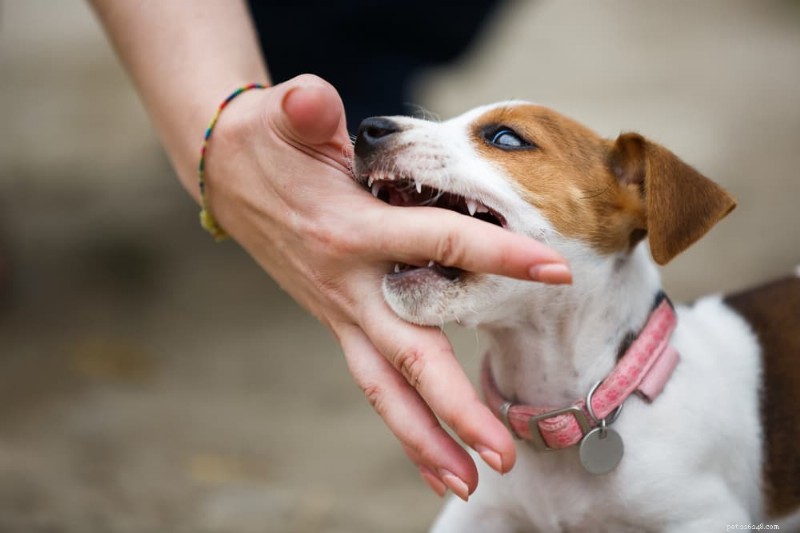
Teething often triggers increased chewing and biting. Redirecting your pup to appropriate chew toys—and supervising play—helps prevent damage to furniture and other household items. Some puppies may experience mild discomfort, occasional lethargy, or a slight fever during peak eruption.
Puppy Teething Symptoms

- Excessive chewing
- Red or swollen gums
- Temporary lethargy
Increased Chewing
It’s normal for puppies to gnaw on toys, furniture, or even a drop of blood from a minor gum injury. Keep their mouth busy with safe alternatives.
Pain and Discomfort
Like human babies, teething can be painful. Gentle pressure or a calming chew can alleviate discomfort. Persistent pain warrants a veterinary check‑up.
Red or Swollen Gums
Swelling may appear as a mound around the gum line where adult teeth are emerging. This is usually temporary.
Lethargy
Most healthy puppies will maintain normal activity. If a pup seems unusually tired or refuses food, contact your vet promptly to rule out other conditions.
How to Help a Teething Puppy
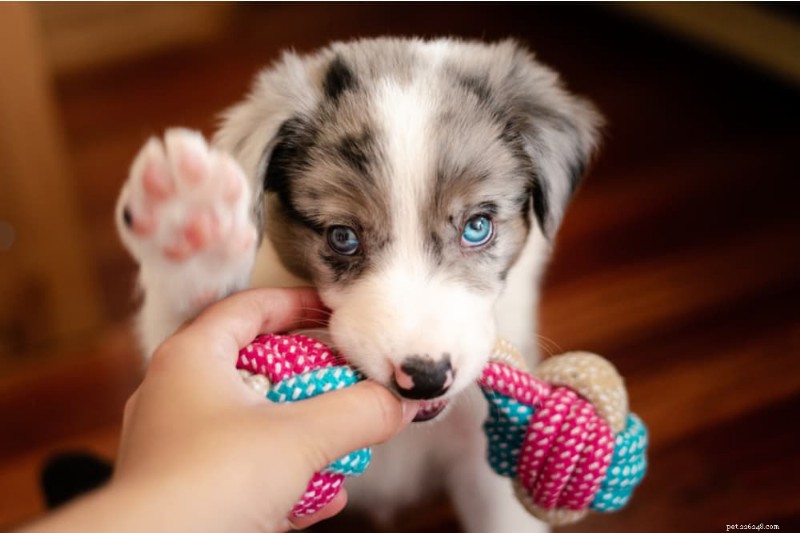
While teething is a natural process, you can ease your puppy’s discomfort with these proven strategies:
- Provide suitable chew toys. Soft or semi‑rigid toys designed for teething puppies offer relief and prevent destructive chewing.
- Avoid overly hard chews. Items like hard bones can crack teeth; opt for toys that give slightly under pressure.
- Offer frozen treats. A chilled peanut‑butter‑filled Kong or a frozen dental toy can soothe sore gums.
- Supervise play. Never leave a puppy unsupervised with chewables that could be swallowed or pose choking hazards.
- Encourage positive chewing. Reward your pup for choosing appropriate toys and gently redirect them from furniture or shoes.
- Start early dental care. Gradually acclimate your puppy to having their mouth handled—lightly rub gums and lift lips—to ease future dental exams.
When in doubt, consult your veterinarian. Early intervention can prevent malocclusion and long‑term dental problems.
- Pet Behavior
- Pet Breeds
- Pet Names
- Pet Adoption
- Pet Training
- Pet Information
- Pet Health
- Adorable Pets
- Dogs
- Fennec Foxes as Pets: What You Need to Know
- Stop Dogs from Chewing Pet Door Flaps: Proven, Easy Fixes
- Safe Flea Prevention for Puppies Under 12 Weeks: Expert Guide
- What Dogs Actually Think About: Insights from Canine Cognition Research
- Safe Parasite Protection for Dogs with MDR1 Gene: Trusted Guide
- Why Bulldogs Love Skateboarding: The Science Behind Their Trend
- Winner Announced: Red Kritter Kondo Cat Enclosure Giveaway