

8 Critical Signs of Heart Disease & Heart Failure in Dogs
All featured products are selected by the GreatPetCare editorial team and do not represent direct endorsements by the author or reviewer.
We all want our dogs to stay healthy and active, and that includes keeping their hearts in top condition.
While dogs rarely suffer heart attacks like humans, they can develop other cardiac issues that can progress to heart failure. Recognizing the early warning signs is key to preventing this serious condition.
Heart failure in dogs rarely appears suddenly; it usually follows a period of underlying heart disease. Regular check‑ups and proactive care can help keep these risk factors in check. Below is a guide to what pet parents need to know about heart disease and heart failure in dogs.
What Is Heart Failure in Dogs?
To understand the signs of heart failure, it’s helpful to distinguish between heart disease and heart failure.
“Heart disease covers a range of conditions that impair cardiac function,” explains Dr. Hanie Elfenbein, a veterinarian in Chattanooga, Tennessee. “It can be detected during a routine exam as a heart murmur or identified by changes in behavior such as exercise intolerance, lethargy, or collapse.”
If left untreated, heart disease can lead to congestive heart failure (CHF). Dr. Elfenbein notes, “In CHF, the heart’s muscles can no longer circulate blood efficiently, causing fluid to accumulate in the lungs (left‑sided failure) or abdomen (right‑sided failure).”
The most obvious external sign of CHF in dogs is labored or rapid breathing, and it often requires urgent veterinary care.
4 General Signs of Heart Problems in Dogs

Dr. Weihow Hseuh, assistant professor of cardiology at Cornell University College of Veterinary Medicine, reminds us that “heart failure is the end stage of heart disease.” Spotting early signs and scheduling regular vet visits can slow the progression to CHF.
Heart Murmur
Not all heart murmurs signal disease. Puppies often have a faint, “innocent” murmur that resolves as they grow. In contrast, a “pathologic” murmur is linked to heart disease. Mitral valve disease (MVD) is a common cause of pathologic murmurs, especially in small breeds like King Charles Spaniels, Toy Poodles, Cocker Spaniels, Pomeranians, and Yorkshire Terriers. Large breeds can be affected too.
Veterinarians routinely check for murmurs during physical exams, underscoring the importance of routine visits.
Lethargy or Malaise
These subtle symptoms can be easily overlooked, particularly in older dogs. Dr. Michael Aherne, clinical professor of cardiology at the University of Florida College of Veterinary Medicine, warns, “We might dismiss a lazy dog as simply aging.”
However, marked decreases in energy, disinterest in play or walks, or general fatigue can indicate dilated cardiomyopathy (DCM), where the heart’s walls thin and chambers enlarge, reducing pumping efficiency.
Coughing
Cough can stem from respiratory infections or allergies, but a persistent cough—especially after exercise or excitement—may signal heart disease. Large breeds often present with a soft, insidious cough that can become pronounced at night.
Fainting
Syncope, or fainting, occurs when the heart skips beats, reducing blood flow to the brain. Dr. Elfenbein explains, “The heart resumes normal rhythm within seconds, but repeated episodes may warrant medication or a pacemaker.” Immediate veterinary attention is advised.
4 Signs of Congestive Heart Failure in Dogs
In addition to the earlier signs, the following symptoms suggest that heart disease has progressed to CHF:
Rapid Breathing
Rapid, shallow breathing at rest is the most sensitive indicator of CHF. Dr. Aherne advises that a healthy dog should breathe 35–40 times per minute when at rest, and 15–20 during sleep. Persistent tachypnea after rest warrants a veterinary visit.
Moist Cough
In CHF, fluid accumulation in the lungs can produce a moist or wet cough. Unlike a dry, hacking cough associated with early heart disease, this cough may be accompanied by frothy sputum.
Swollen Belly or Legs
Fluid buildup in the abdomen—ascites—can cause noticeable abdominal swelling. Swelling (edema) of the hind limbs is also common. Dr. Elfenbein stresses that any bloated belly, especially with breathing difficulty, should prompt immediate veterinary assessment.
Collapse and Fainting
When the heart fails to deliver sufficient oxygenated blood, dogs may collapse or faint, often exhibiting a bluish tint to gums or tongue.
Next Steps When You Suspect Heart Failure

The good news is that many cases of heart disease are detectable before they reach the CHF stage, provided owners remain vigilant. Dr. Hseuh notes, “Surprises are rare when regular veterinary care is maintained.”
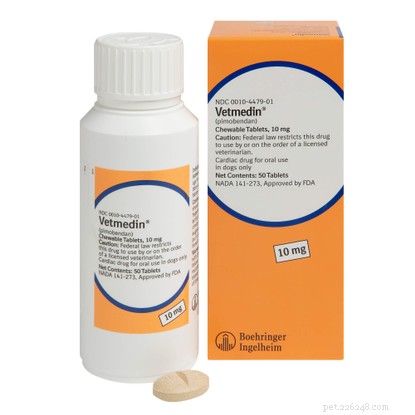
Key warning signs—labored breathing, rapid breathing, and edema—require prompt veterinary attention. Treatment may include medications like Vetmedin (pimobendan) to improve cardiac output, as well as diagnostic imaging such as an echocardiogram or Holter monitor to track heart rhythm.
Once diagnosed, ongoing veterinary follow‑ups are essential for preserving your dog’s health and quality of life. Even before a diagnosis, owners of breeds predisposed to cardiovascular stress should discuss heart‑supporting supplements—available as chews, capsules, or liquids—with their veterinarian.
- Pet Behavior
- Pet Breeds
- Pet Names
- Pet Adoption
- Pet Training
- Pet Information
- Pet Health
- Adorable Pets
- Dogs
- Is Cinnamon Safe for Dogs? Expert Guide on Feeding Spices to Pets
- How to Teach Foster Dogs Proper Leash Walking: A Step-by-Step Guide
- Why Does My Dog Stare? 9 Expert-Backed Reasons Behind Their Gaze
- Effective Home Care Tips for Treating Dog Fevers
- Understanding Cat Anal Glands: Care, Issues & Health Tips
- Common Poisonous Plants that Endanger Cats – Symptoms & Prevention
- Fluffy French Bulldog Guide: All About the Long‑Haired Frenchie