

Why Veterinary Dental Diets Aren’t the Best Solution for Your Pet’s Oral Health
Pet dental disease is one of the most common health problems in dogs and cats. Although many veterinarians recommend prescription dental diets, these formulas are not a complete or long‑term solution for oral health.
Below we examine the typical ingredients in veterinary dental foods, explain why they fall short, and present natural, whole‑food alternatives that truly support healthy teeth and gums.
What’s Inside Prescription Dental Diets?
Brands such as Hill’s t/d market large kibble and a “fiber matrix” that is meant to scrape plaque. The formulas, however, rely heavily on inexpensive, highly processed ingredients that are not species‑appropriate.
Example Ingredients (Nov 2025)
Hill’s t/d Feline
Chicken By‑Product Meal, Corn Protein Meal, Powdered Cellulose, Whole Grain Corn, Chicken Fat, Brewers Rice, Cracked Pearled Barley, Chicken Liver Flavor, Lactic Acid, Soybean Oil, Potassium Chloride, Choline Chloride, Calcium Sulfate…
Hill’s t/d Canine
Brewers Rice, Whole Grain Corn, Chicken By‑Product Meal, Powdered Cellulose, Chicken Fat, Soybean Mill Run, Egg Product, Hydrolyzed Chicken Flavor, Soybean Oil…
These diets are packed with low‑quality fillers such as:
- Corn protein meal and soybean products
- Brewer’s rice and whole‑grain corn
- Powdered cellulose (wood‑pulp fiber)
- Chicken by‑product meal
- Artificial flavors and preservatives
Dogs and cats evolved to thrive on animal‑based proteins and fats. High‑carbohydrate, indigestible fillers can affect digestion and, consequently, oral health.
Additional Concerns
- Digestive stress: Corn and other fillers are hard to digest; 20–30 % of chronic bad‑breath cases are linked to gastrointestinal issues.
- Low nutrient value: By‑products and fillers provide fewer essential vitamins and minerals for immune support and tissue repair.
- Artificial additives: Flavors, dyes, and preservatives may cause inflammation and long‑term health problems.
- Lactic acid: Added to reduce plaque but can irritate the gut at higher levels.
True dental health begins in the gut and immune system—areas where most prescription dental diets fall short.
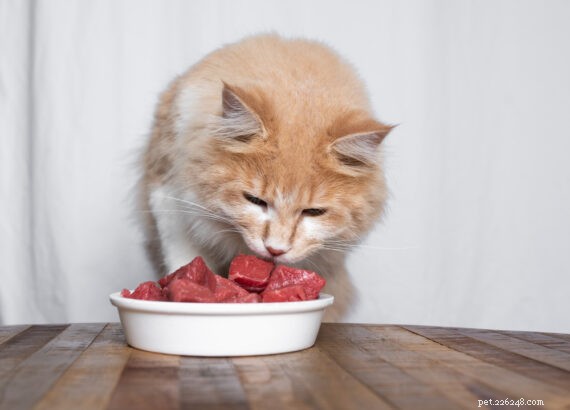
Natural Diets That Support Dental Health
For Cats
Best Choice: Raw Diet
Raw chicken or turkey necks/backbones 1–2 times per week naturally clean teeth and provide enzymes that help break down plaque.
Second Choice: Freeze‑Dried, Air‑Dried, or Dehydrated
These formats preserve most nutrients and enzymes; adding water improves digestion and hydration.
If You Must Feed Dry Food
Select a high‑protein, species‑appropriate formula such as Tiki Cat Dental Solution Chicken Recipe (40 % protein). Supplement with digestive enzymes and probiotics to enhance nutrient absorption and reduce oral odor.
For Dogs
Best Choice: Raw Diet + Raw Bones
Raw chicken or turkey necks and appropriate raw bones 1–2 times weekly help reduce tartar and strengthen gums.
Second Choice: Air‑Dried, Freeze‑Dried, or Dehydrated
These retain enzymes and nutrients; hydrate with water for optimal digestion.
If You Must Feed Dry Food
Choose a diet made with whole animal proteins and avoid fillers. Add digestive enzymes, probiotics, and greens supplements to support gut health and oral hygiene.
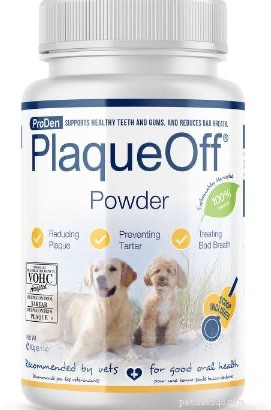 Natural Supplements That Support Dental Health
These additions can further reduce plaque, freshen breath, and boost immunity:
- PlaqueOff: Made from seaweed (Ascophyllum nodosum); reduces oral bacteria, plaque, and tartar through systemic action.
- Colostrum: Supports immune health and oral tissue repair; may help break down tartar naturally.
- Cranberry: May lower plaque formation and supports urinary health in cats.
- Grapefruit Seed Extract (GSE): Natural antimicrobial; dilute (1–6 drops per 5 oz water) and apply with a Q‑tip for gentle oral cleaning.
Why Whole‑Food Nutrition Matters for Teeth
Dental health isn’t just about scraping plaque. A diet rich in animal proteins, healthy fats, enzymes, and micronutrients helps:
- Strengthen teeth and gums
- Reduce inflammation
- Improve digestion and breath
- Support overall organ and immune function
The Tail Blazers Approach
We prioritize food that nourishes rather than merely manages symptoms. Our formulas exclude:
- Corn, soy, wheat, and other fillers
- Meat by‑products
- Artificial colors, flavors, and preservatives
- Cheap generic fats
Instead, we use whole, functional ingredients that support health from nose to tail.
Looking for personalized dental‑friendly food recommendations? Visit your local Tail Blazers store and speak with a pet‑nutrition expert. We’ll help you find the best natural options for your dog or cat.
- Pet Behavior
- Pet Breeds
- Pet Names
- Pet Adoption
- Pet Training
- Pet Information
- Pet Health
- Adorable Pets
- Dogs
- Cat Food Allergies: Symptoms, Diagnosis, and Expert Management
- Why Declawing Your Cat Is Harmful: 5 Key Reasons
- The Green and Black Poison Frog: Natural History & Expert Captive Care
- 16 Dogs That Skateboard With Skill Beyond Humans
- Meet Mali: This Week’s Featured Ragdoll Cat
- Why Pecans Are Harmful to Dogs: A Safe Snack Guide
- Is Soy Sauce Safe for Dogs? Health Risks and Guidelines