

Is Your Senior Dog Losing Weight? Causes, Symptoms & What to Feed
This post may contain affiliate links. We may earn money or products from the companies mentioned in this post.
When we think of senior dogs, we often imagine them gaining weight. Slower metabolism and reduced activity can indeed lead to weight gain, just like in humans. However, a noticeable drop in weight can also occur and may signal an underlying health issue.
Although some weight loss is normal for aging pets, significant or rapid loss warrants closer inspection. In this guide, we list the most common reasons older dogs lose weight, the key signs to discuss with your veterinarian, and how to adjust nutrition to support a healthy body composition.
First, a quick reminder: we are not veterinarians. If your dog is losing weight or displaying any concerning symptoms, please consult your vet.
When Is Weight Loss a Red Flag?
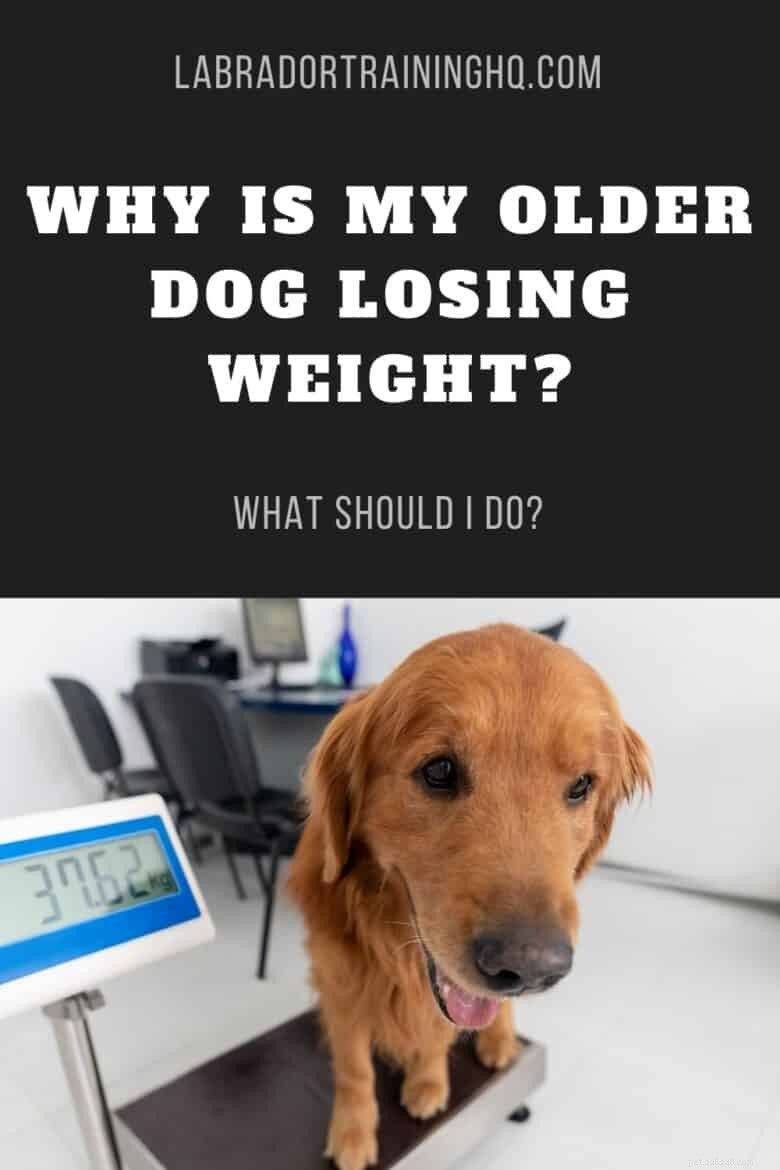
Dogs’ weight can fluctuate due to diet, activity, or mood. For seniors, hormonal shifts can lead to either a slimmer or fatter physique. The crucial threshold is a loss of 10% of normal body weight—about a quarter pound for a five‑pound dog. Noticeable changes are usually visible before reaching this point.
Pro Tip: Schedule a routine vet visit for a quick weigh‑in. Positive vet interactions help you track changes and catch potential problems early.
Common Causes of Significant Weight Loss in Older Dogs
Weight loss can stem from a variety of medical conditions. Below are the most frequent culprits, along with associated symptoms that can aid in diagnosis.
Dental Disease
Dental problems often reduce appetite because chewing becomes painful. Look for drooling, bad breath, swollen or discolored gums, and reluctance to eat.
Treatment typically involves dental cleanings, extractions, or antibiotics. Transition to softer foods—wet food or kibble soaked in warm water—can ease chewing and improve hydration.
Diabetes
Diabetes is common in middle‑aged and older dogs. Early signs include weight loss, excessive thirst and urination, frequent urinary tract infections, and lethargy.
Management combines insulin therapy and a balanced diet high in protein and low in simple carbs. Your vet can tailor the plan to your dog’s needs.
Dehydration
Older dogs often drink less, leading to dehydration. Symptoms: infrequent urination, dark urine, lethargy, and rubbery gums.
Ensure fresh water is always available, consider a water fountain, and add wet food to increase moisture intake. Persistent signs require veterinary evaluation.
Liver or Gallbladder Disease
These conditions can cause weight loss, decreased appetite, vomiting, diarrhea, jaundice (yellowing of gums, skin, eyes), and fever.
Early detection and treatment—medical or surgical—can improve outcomes. Regular liver function tests are recommended for senior dogs.
Kidney Disease
Renal insufficiency often presents with vomiting, diarrhea, reduced appetite, lethargy, and pale gums. The disease is usually advanced by the time symptoms appear, making early monitoring vital.
Heart Disease
Weight loss may be an early sign of cardiac issues. Watch for chronic cough, exercise intolerance, and restlessness. Early detection allows for medication and lifestyle adjustments.
Cancer
Weight loss, lethargy, decreased appetite, lumps, bleeding, abdominal distension, or lameness can indicate malignancy. Treatment options vary by type and stage, but early diagnosis improves prognosis.
Nutrition for Senior Dogs
If your vet rules out serious illness, adjusting your senior’s diet can help maintain a healthy weight and support quality of life.
- Caloric Needs: Reduce intake by ~20% from adult levels, but monitor. If weight loss persists, increase calories by 10–20%.
- Protein: Aim for 25% or more of calories from high‑quality protein (red meat, poultry, fish). Older dogs may benefit from up to 50% higher protein.
- Fat: Lower total fat to preserve lean muscle, but don’t eliminate essential fatty acids.
- Carbohydrates: Keep simple sugars low; choose complex carbs for steady energy.
- Fiber: Supports digestion and can aid in weight management.
- Supplements: Consider L‑carnitine, glucosamine, and a small amount of calcium for bone health.
- Sodium: Reduce salt to mitigate hypertension and kidney strain.
- Feeding Convenience: Use elevated bowls for joint‑impaired dogs and offer wet food or kibble softened in warm water to enhance palatability.
For deeper guidance, read our Proper Nutrition for Senior Labradors article and our review of the Best Dog Food for Senior Pups.
Frequently Asked Questions
Why is my old dog losing weight?
Weight loss can result from natural metabolic changes or from medical conditions like diabetes, kidney or heart disease, dental pain, or joint stiffness. Noticeable appetite loss or lethargy usually signals an underlying issue.
Is it normal for an old dog to lose weight?
Minor fluctuations are normal, but losing 10% of body weight or showing additional symptoms should prompt a vet visit.
What are the signs a dog is dying of old age?
Loss of appetite, energy, coordination, and a tendency to withdraw are common. If these symptoms accompany significant weight loss, consult your vet for palliative care options.
How do you fatten up a thin senior dog?
Make food more enticing: switch to wet food, add flavorful gravies, elevate the bowl, and address dental or mobility issues. Ensure your dog is not truly ill before increasing calories.
Takeaway
Weight loss in a senior dog can be benign or a warning sign. Monitor changes, discuss symptoms with your vet, and adjust diet accordingly to keep your companion healthy and comfortable.
Have you noticed weight loss in your senior dog?
What caused it and how did you address it? Share your story in the comments below.
Save to Pinterest
Top Picks for Our Dogs
- BEST PUPPY TOY
Calmeroos Puppy Toy with Heartbeat and Heat Packs – ideal for easing new‑puppy anxiety. - BEST DOG CHEW
Bones & Chews Bully Sticks – great for redirecting unwanted chewing. - BEST DOG TREATS
Crazy Dog Train Me Treats – a favorite for training sessions. - BEST FRESH DOG FOOD
The Farmer's Dog – we switched our senior dogs to this fresh food and they love it! Get 50% off your first order.
For a full list of supplies for new service dog puppies, see our New Puppy Checklist on the PuppyInTraining.com blog.
- Pet Behavior
- Pet Breeds
- Pet Names
- Pet Adoption
- Pet Training
- Pet Information
- Pet Health
- Adorable Pets
- Dogs
- Understanding Cat Estrus: How Long a Female Cat Is in Heat
- Why Cats Are Said to Have Nine Lives: The History Behind the Myth
- Understanding Dog Bloating: Signs, Risks, and Immediate Care for Your Pet
- Herbal Nutrition for Dogs: Safe, Effective Remedies
- Meet Sugar: Ragdoll Cat of the Week
- 4 Dog Mushing Mistakes to Avoid for Pro-Level Performance
- What Causes Dogs to Lick the Air — Signs, Causes, and When to See a Vet