

7 Vet‑Recommended Weight‑Management Dog Foods for a Healthier, Happier Pet
All featured products are selected by the GreatPetCare editorial team and are not direct endorsements by the author or reviewer.
Weight issues aren’t exclusive to humans—our four‑legged friends often struggle with extra pounds too. The Association for Pet Obesity Prevention (APOP) reports that roughly 59% of dogs are overweight or obese, a rise from 56% just five years ago.¹
Keeping your dog at an optimal weight is essential for longevity and overall health. If your veterinarian identifies excess weight, they may recommend a weight‑management diet to guide your pet toward a healthier body condition.
Choosing the right formula can be daunting. Below we outline the top vet‑recommended options and explain how to make a smooth transition.
What Is Weight‑Management Dog Food?

Weight‑management dog food is engineered to meet the unique nutritional needs of pets struggling with obesity. These diets deliver balanced nutrition while reducing caloric density, enabling your dog to consume a full portion without excess calories.
Typical features include higher fiber content to promote satiety and lower fat levels, since fats are more calorie‑dense than protein or carbohydrates.
Best Weight‑Management Dog Foods
Prescription‑Only Options
- Hill’s Prescription Diet Metabolic Weight Management Dog Food
- Purina Pro Plan Veterinary Diets OM Overweight Management Dog Food
- Royal Canin Hydrolyzed Protein Moderate Calorie Dog Food
- Hill’s Prescription Diet r/d Dog Food
- Royal Canin Satiety Support Weight Management Dog Food
Non‑Prescription (Over‑the‑Counter) Options
- Hill’s Science Diet Perfect Weight Dog Food
- Purina Pro Plan Weight Management Dog Food
Prescription vs. Non‑Prescription
Prescriptions are typically reserved for dogs requiring significant weight loss or who have concurrent health issues. These diets are available through veterinary clinics or authorized online retailers and require a vet’s approval.
Over‑the‑counter formulas are widely available at pet stores and online. While they are generally more budget‑friendly, they still provide the nutritional profile needed for weight control.
Why Vets Recommend Weight‑Management Diets

Vets will usually suggest a weight‑management diet if your dog:
- Is over 15% above their ideal weight (overweight)
- Is over 30% above ideal weight (obese)
- Has a history of weight gain or struggles to maintain a healthy weight
- Shows a pattern of incremental weight gain
Obesity in dogs is linked to diabetes, heart disease, cancer, and joint disorders. A 2018 study found that overweight dogs may live 5 months to 2 years less than their healthy‑weight peers.²
Even if you believe your dog is “healthy‑weight,” a vet may still recommend a specialized diet. Many owners underestimate their pet’s weight, and certain breeds (Golden Retrievers, Pugs, Beagles) and senior dogs are especially prone to gaining excess pounds.
Top Vet‑Recommended Weight‑Management Dog Foods
Below is a detailed look at the most trusted options. Always discuss with your vet to tailor a plan to your dog’s specific needs.
Prescription Options
Hill’s Prescription Diet Metabolic Weight Management Dog Food
Developed by Ph.D. nutritionists and veterinarians, this diet stimulates metabolism and increases satiety through a unique fiber blend. Hill’s reports that 96% of dogs lost weight within two months on this formula.³
- Targeted for obese or overweight dogs
- Clinically proven weight loss
- High fiber to reduce hunger
- Available in dry and canned formats
- Metabolic + Mobility version offers joint support
- Safe for long‑term feeding
Things to Consider
- Prescription required
- Adult dogs only
- Higher price point
Purina Pro Plan Veterinary Diets OM Overweight Management Dog Food
This formula combines low fat, reduced calories, and high protein to preserve lean muscle while losing weight. It includes soy isoflavones, shown to reduce weight gain by 50% in clinical trials.⁴
- Low fat, high protein
- Isoflavones for long‑term weight maintenance
- Dry and canned options
- Available in a joint‑health variant
- Long‑term use safe
Things to Consider
- Prescription required
- Adult dogs only
- May not suit dogs with multiple protein allergies
- Premium pricing
Royal Canin Hydrolyzed Protein Moderate Calorie Dog Food
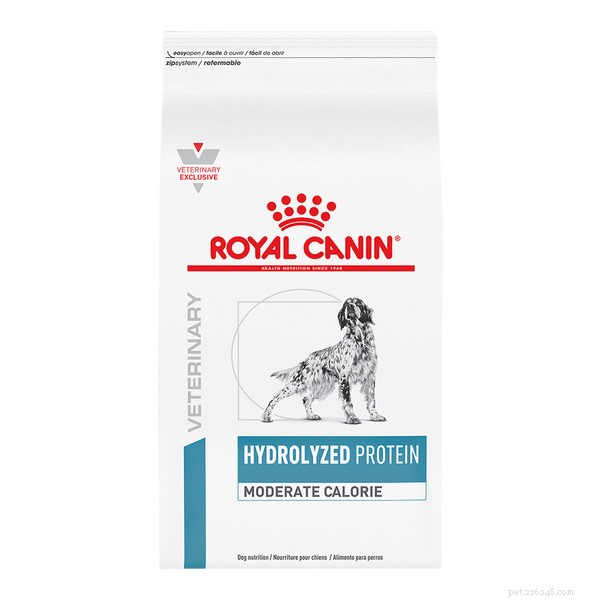
Ideal for dogs with food sensitivities and weight concerns. Hydrolyzed soy protein reduces immune response risk, while a moderate calorie count helps maintain a healthy weight. It’s rich in B‑vitamins and omega‑3s.
- Hydrolyzed protein + prebiotics + fiber
- Low calorie for low‑activity dogs
- Highly palatable
Things to Consider
- Prescription required
- Only kibble format
- Adult dogs only
- Higher cost than OTC options
Hill’s Prescription Diet r/d Dog Food
Clinically proven to promote healthy weight loss in as little as 8 weeks, especially beneficial for dogs with diabetes or hyperlipidemia.
- Suitable for obese dogs with comorbidities
- Includes L‑carnitine to burn fat and build lean muscle
- Balanced fiber blend for satiety
- Dry and canned options
Things to Consider
- Prescription required
- Adult dogs only
- Designed for short‑term use (≤6 months)
- Higher price
Royal Canin Satiety Support Weight Management Dog Food
- 97% of dogs lost weight in three months
- Fiber blend reduces begging behavior
- High protein preserves lean muscle
- Available in wet and dry formats
- Long‑term use safe
Things to Consider
- Prescription required
- Adult dogs only
- Premium pricing
Non‑Prescription Options
Hill’s Science Diet Perfect Weight Dog Food
A convenient OTC solution for less active or neutered dogs. With a special fiber blend and natural protein, it’s clinically proven that over 70% of dogs lost weight in 10 weeks.⁵
- No prescription needed
- High fiber, high protein
- No artificial colors or preservatives
- Formulas for large/small breeds and joint support
- Long‑term feeding safe
- Budget friendly
Things to Consider
- Adult dogs only
- Not for dogs without weight concerns
- Portion varies by ideal weight and goal
Purina Pro Plan Weight Management Dog Food
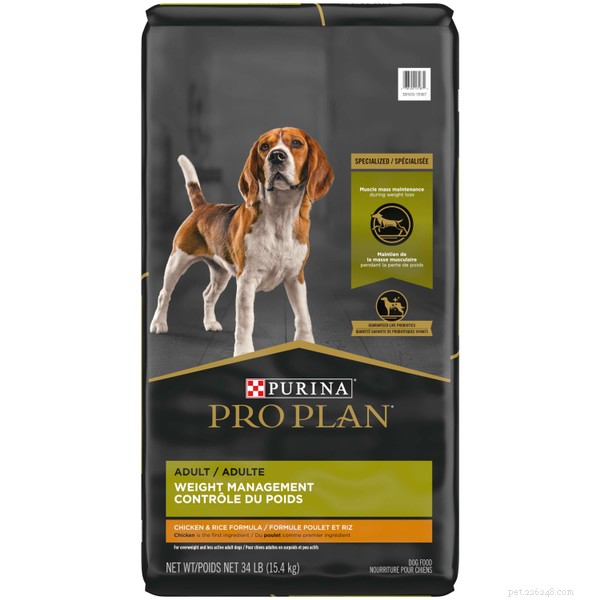
Designed for overweight or sedentary dogs, this diet has 15% less fat and a protein‑to‑fat ratio optimized for lean muscle maintenance. Live probiotics support digestive health.
- No prescription required
- Suitable for adult dogs only
- Available in small and large breed formulas
- Real chicken as the first ingredient
- Long‑term feeding safe
Things to Consider
- Only kibble format
- Single flavor option
Switching to a Weight‑Management Diet
Transition gradually over a week to avoid digestive upset:
- Days 1‑2: 75% old food, 25% new
- Days 3‑4: 50/50 mix
- Days 5‑6: 25% old, 75% new
- Day 7: 100% new
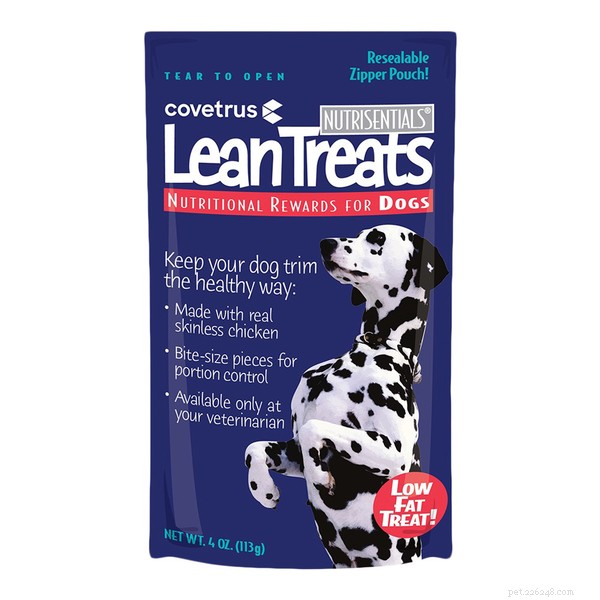
Limit table scraps and high‑calorie treats. Healthy alternatives include carrot sticks or low‑calorie treats like Nutrisentials’ Lean Treats (7 calories each). Treats should not exceed 10% of daily caloric intake, unless your vet advises otherwise.
Once your dog has reached a healthy weight, many continue on the weight‑management diet to prevent regain. However, some formulas (e.g., Hill’s r/d) are intended for short‑term use only.
Questions to Ask Your Vet About Weight‑Management Diets

Prepare these questions to make the most of your appointment:
- Which weight‑management foods are best for my dog’s breed, age, and health status?
- How often should I feed my dog?
- What’s an appropriate daily treat allowance?
- Can you suggest low‑calorie treats?
- When will we reassess weight and adjust the plan?
- Should we screen for underlying conditions that could affect weight?
- Is this diet safe if my dog has other health issues?
References
- “2022 U.S. Pet Obesity Prevalence Survey.” Association for Pet Obesity Prevention, https://www.petobesityprevention.org/2022
- Salt, Carina, et al. “Association between life span and body condition in neutered client‑owned dogs.” Journal of Veterinary Internal Medicine, vol. 33, no. 1, 11 Dec. 2018, pp. 89–99, https://doi.org/10.1111/jvim.15367
- Pet Behavior
- Pet Breeds
- Pet Names
- Pet Adoption
- Pet Training
- Pet Information
- Pet Health
- Adorable Pets
- Dogs
- How to Safely Remove Mats from Rabbit Fur: A Step-by-Step Guide
- Goffin's Cockatoo (Cacatua goffiniana): Smart, Gentle, Low-Maintenance Pet
- Smart Activity Trackers for Dogs: Monitor Health & Activity
- Herbivorous Hermit Crabs: The Ideal Reef Tank Janitors
- Elite Treats Issues Recall of Chicken Chips Due to Possible Salmonella Contamination
- Understanding and Resolving Common Dog Behavior Problems
- Do Dogs Experience Grief When a Pet Dies? Understanding Their Emotional Response