

Top 6 Vet‑Approved Urinary Dog Foods of 2026 – Expert‑Backed Choices
All featured products are chosen at the discretion of the GreatPetCare editorial team and do not reflect a direct endorsement by the author or reviewer.
If your dog is dealing with urinary tract issues, your veterinarian may recommend a specialized diet. Selecting a urinary dog food is more complex than choosing a standard complete and balanced diet, so we’ve broken down what you need to know and highlighted six veterinary‑recommended formulas you can discuss with your vet.
What Is Urinary Dog Food?
Urinary dog foods are specifically engineered to manage and prevent bladder stones – mineralized crystals that can irritate the bladder lining and, in severe cases, cause urinary blockages. According to Dr. Jerry Klein, chief veterinary officer for the American Kennel Club, bladder stones often form when minerals such as magnesium, phosphorus, and calcium concentrate in the urine. Urinary diets aim to dissolve existing stones and stop new ones from forming by controlling urinary pH (typically targeting a slightly acidic environment) and limiting the intake of the key minerals that contribute to stone formation.
Different stone types require slightly different nutrient profiles. For example, diets that target struvite stones— the most common in dogs— promote increased hydration and reduce protein and mineral levels. Urate stone diets are low in purines, the precursors to uric acid, which can precipitate into stones when present in excess.
As Dr. Joe Bartges, professor of internal medicine at the University of Georgia, notes, these diets are usually complete and balanced for adult dogs per AAFCO guidelines, except for the specific struvite‑dissolving formulas that are slightly modified.
Urinary Diets May Not Always Be the Answer
Because the nutrient balances in urinary diets are tightly calibrated, they can be detrimental to dogs that do not have urinary problems. Dr. John P. Loftus, Cornell University, stresses that only dogs with documented urinary tract conditions should be placed on a urinary diet, and these diets are prescription‑only.
It’s also important to note that urinary diets do not prevent urinary tract infections (UTIs). They manage stone formation through pH control but do not address bacterial infections, a common misconception. Dr. Bartges recommends treating or preventing UTIs separately to reduce the risk of struvite stone recurrence.
Our Top Picks
- Best Wet Urinary Dog Food: Purina Pro Plan Veterinary Diets UR Urinary Ox/St Canine Formula (Canned)
- Best Dry Urinary Dog Food: Hill’s Prescription Diet c/d Multicare Urinary Dry Dog Food
- Best Urinary Dog Food for Weight Management: Hill’s Prescription Diet Dog c/d Multicare + Metabolic, Urinary + Weight Care Dry Dog Food
- Best Small‑Breed Urinary Dog Food: Royal Canin Urinary SO Small Dog Dry Dog Food
- Best Urinary Dog Food for Senior Dogs: Royal Canin Urinary SO Aging Dry Dog Food
- Best Low‑Purine Urinary Dog Food: Royal Canin Urinary UC Low Purine Dry Dog Food
How We Made Our Selections
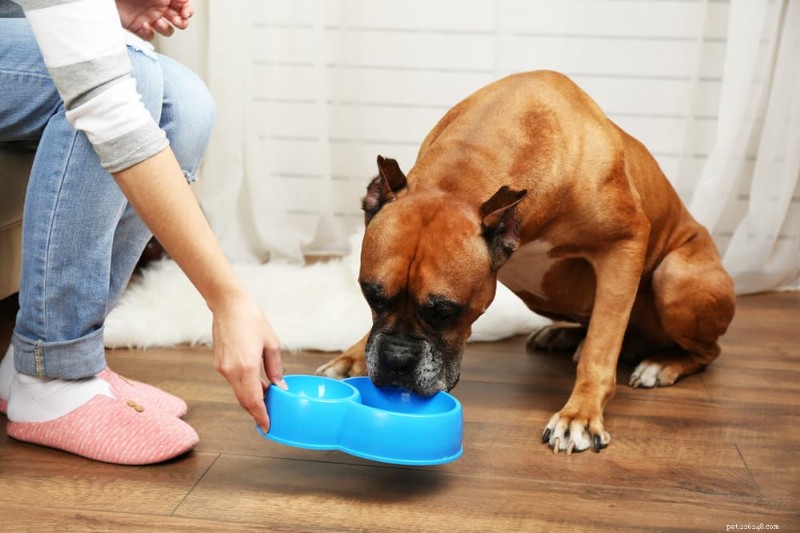
We consulted board‑certified veterinarians and nutritionists to determine the key criteria for a urinary diet. The brands most frequently prescribed— Royal Canin, Hill’s, and Purina— were the focus of our evaluation.
Our selection process considered:
- Manufacturing quality: U.S. facilities, AAFCO‑approved feeding trials, and formulations backed by veterinary nutritionists.
- Prescription‑only status: Therapeutic diets that require a veterinarian’s prescription tend to deliver the precise nutrient balance needed for stone control.
- Additional benefits: Antioxidants, omega‑3 fatty acids, or weight‑management features that add value beyond stone control.
- Consumer satisfaction: Products consistently rated above four stars in customer reviews.
Best Urinary Dog Food of 2026
All six diets are formulated to dissolve struvite stones and reduce the risk of both struvite and calcium oxalate stones. One formula specifically targets urate stones. Discuss with your veterinarian which diet aligns best with your dog’s stone type and overall health profile.
Best Wet Urinary Dog Food
Our pick: Purina Pro Plan Veterinary Diets UR Urinary Ox/St Canine Formula (Canned)
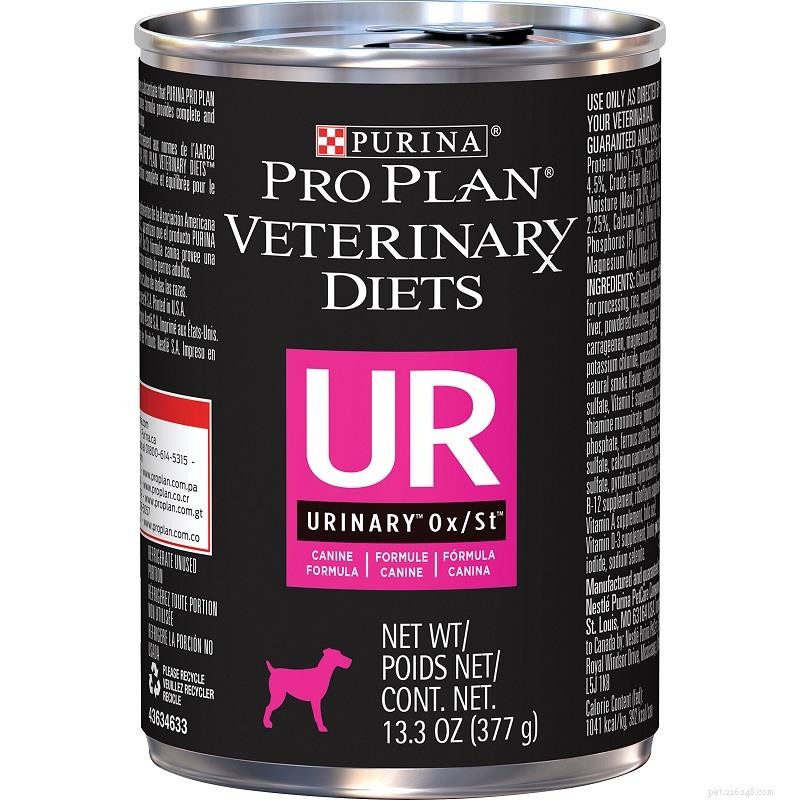
Purina’s urinary diet is among the most commonly prescribed. It contains reduced calcium and phosphorus, and its high moisture content helps dilute urinary crystals. Developed by veterinarians and nutritionists, this formula is manufactured in U.S. facilities.
- Lower mineral content with added moisture aids struvite dissolution
- Reduces risk of both struvite and calcium oxalate stones
- Veterinary‑developed nutrition plan
- Trusted brand with over 90 years of pet‑food manufacturing
Best Dry Urinary Dog Food
Our pick: Hill’s Prescription Diet c/d Multicare Urinary Dry Dog Food
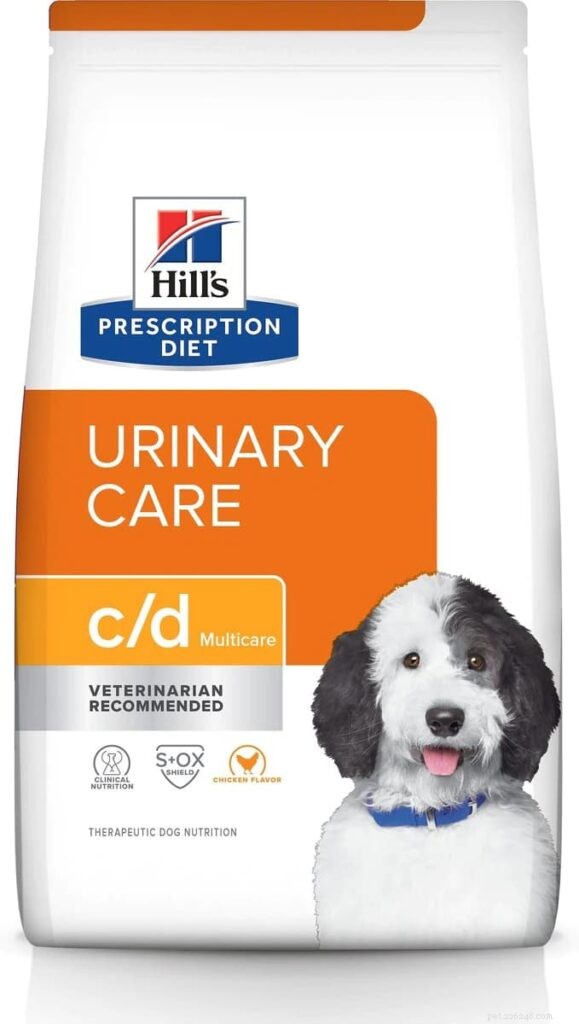
Hill’s Prescription Diet c/d is frequently recommended for its versatile formulations, including allergy‑friendly and weight‑management options. It reduces calcium and sodium to dissolve struvite stones and includes fish oil for omega‑3 fatty acids, plus vitamin E and beta‑carotene antioxidants.
- Widely prescribed therapeutic urinary diet
- Supports dissolution of struvite stones and prevention of calcium oxalate stones
- Contains omega‑3 fatty acids and antioxidants
- Formulated by veterinary nutritionists
Best Urinary Dog Food for Weight Management
Our pick: Hill’s Prescription Diet Dog c/d Multicare + Metabolic, Urinary + Weight Care Dry Dog Food
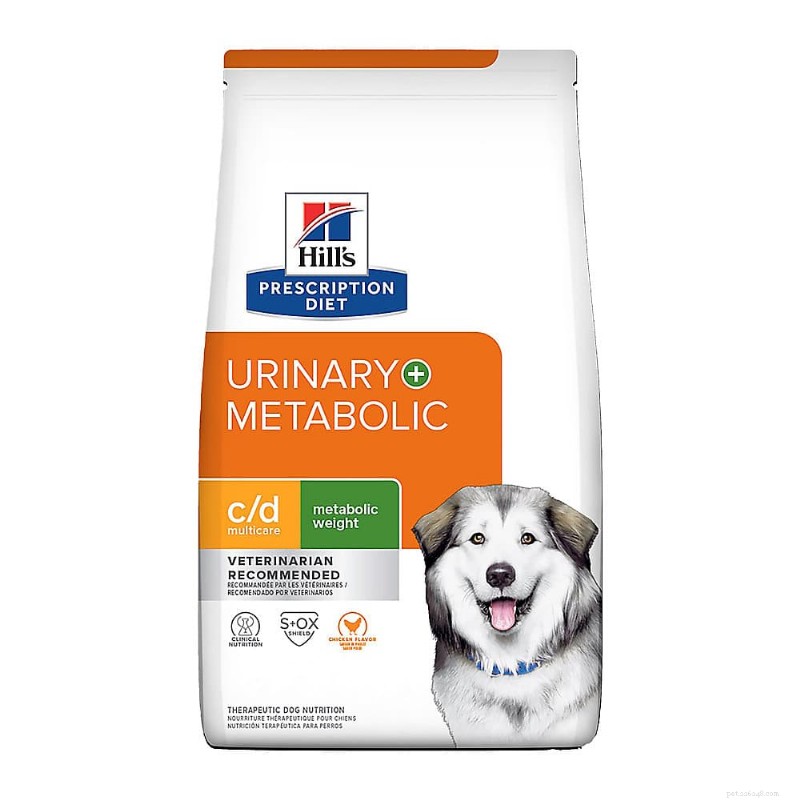
Obesity can contribute to calcium oxalate stone formation. This dual‑purpose diet addresses urinary health while promoting weight loss within 60 days through a balanced ingredient blend.
- Supports urinary health and weight management simultaneously
- Helps dissolve struvite stones and prevent calcium oxalate stones
- Formulated to boost metabolism
- Veterinary‑designed nutrition
Best Small‑Breed Urinary Dog Food
Our pick: Royal Canin Urinary SO Small Dog Dry Dog Food
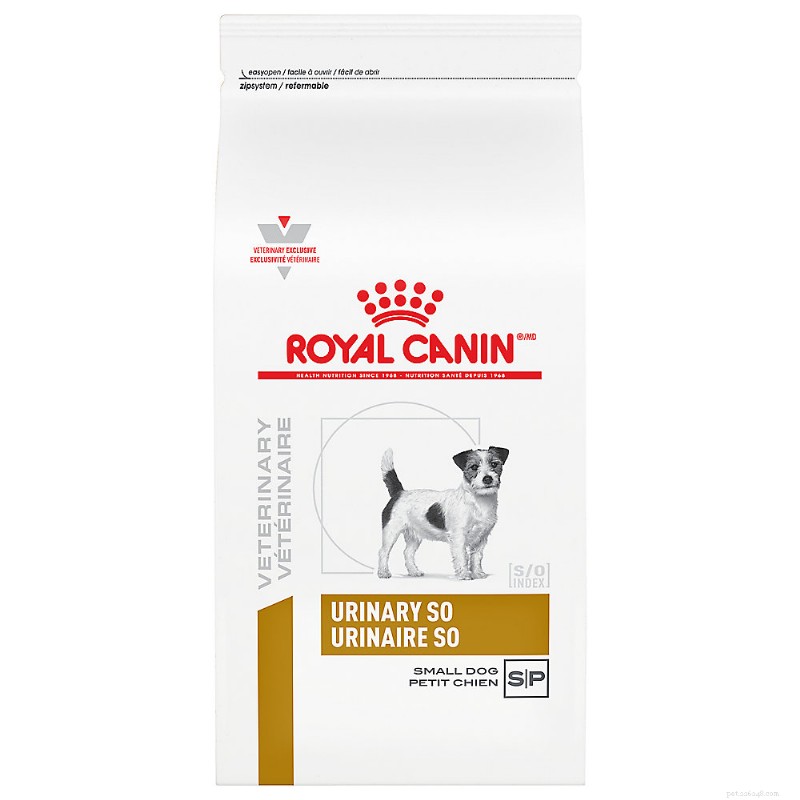
Royal Canin’s small‑breed formula features smaller kibble to encourage chewing, which can reduce tartar. It is commonly prescribed for struvite and calcium oxalate stones.
- Veterinary‑prescribed and widely used
- Targets struvite and calcium oxalate stones
- Includes fish oil and vitamin E
- Designed for small‑breed chewing habits
- Manufactured by a trusted pet‑food specialist
Best Urinary Dog Food for Senior Dogs
Our pick: Royal Canin Urinary SO Aging Dry Dog Food
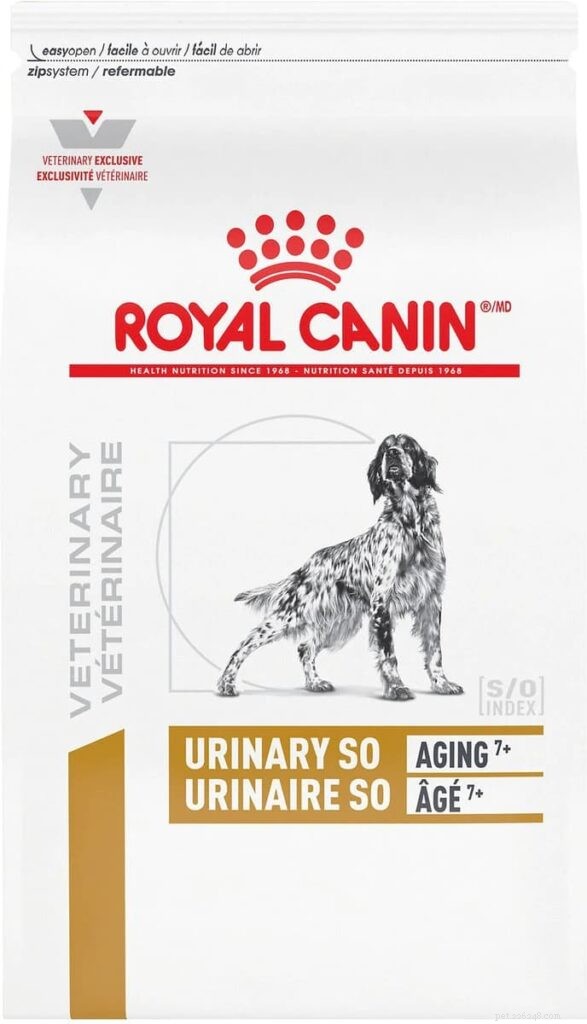
This formula uses a relative supersaturation (RSS) approach to reduce urinary ion concentration. It also contains nutrients and antioxidants that support cognitive function and overall vitality in senior dogs.
- RSS methodology lowers ion concentration
- Helps dissolve struvite and prevent calcium oxalate stones
- Supports senior cognition and vitality
- Royal Canin quality assurance
Best Low‑Purine Urinary Dog Food
Our pick: Royal Canin Urinary UC Low Purine Dry Dog Food
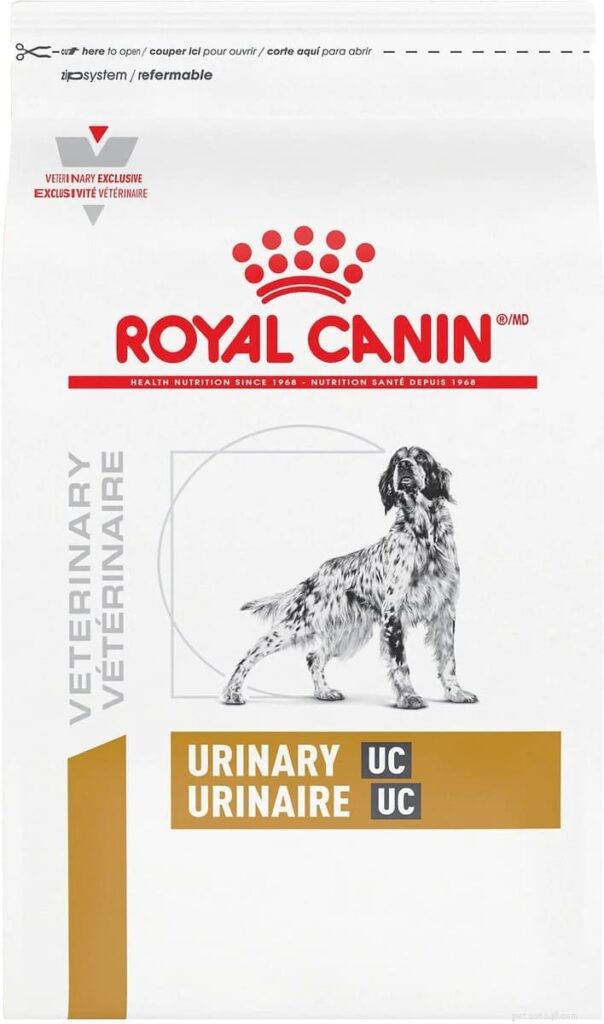
This diet focuses on low purine proteins to help prevent urate stones. It also includes moderate levels of high‑quality proteins, methionine, and cysteine to reduce cystine stone risk, plus omega‑3 fatty acids for skin and coat health.
- Low‑purine formulation combats urate stones
- Balanced proteins and amino acids reduce cystine stone risk
- Omega‑3s, zinc, and biotin support skin and coat
- Royal Canin veterinary‑designed
Urinary Dog Food Buyer’s Guide
Choosing a urinary diet is a more involved process than selecting a standard dog food. Below are key veterinary‑backed considerations.
Identify the Cause of Urinary Problems
Only a veterinarian can determine the type of bladder stone or underlying issue your dog has. Different stones require different dietary approaches, so a veterinary diagnosis is essential.
Opt for Therapeutic Prescription Diets
Prescription‑only diets provide the precise mineral and pH balance needed for stone management. While they are more expensive, they are also more effective. Ask your vet or the manufacturer about coupons or rebates to offset costs.
Choose Between Dry or Canned
Both dry and canned urinary diets are available. Canned food offers higher moisture, which can help dilute urine, but may be cost‑prohibitive for large dogs. Adding water to dry kibble is an alternative. The choice should match your dog’s preference and hydration habits.
Consider Additional Health Needs
Many urinary diets offer added benefits, such as weight management or allergy support. If your dog is overweight, a weight‑loss urinary diet is ideal. If your dog has pancreatitis or other conditions, avoid high‑fat formulas.
Account for Age
Urinary diets are formulated for adult dogs; puppies do not typically develop stones. For senior dogs, a specialized senior urinary formula may be more appropriate.
Tips for Switching Your Dog to a Urinary Diet
Transition Gradually
Switch over a week: start with 75 % old food and 25 % new food, then 50/50, and so on. This helps avoid gastrointestinal upset.
Follow the Veterinarian’s Prescription Strictly
Do not add table scraps, treats, or extra food unless the vet approves. The precise nutrient balance is critical for stone control.
Monitor Progress
Regular veterinary check‑ups are essential. Recheck urine at 2 weeks, 4 weeks, and then every 2–4 months. Blood work can also help detect potential issues early.
Set Realistic Expectations
Diet is one component of urinary disease management. Surgery or other treatments may still be required. Discuss all options with your vet.
- Pet Behavior
- Pet Breeds
- Pet Names
- Pet Adoption
- Pet Training
- Pet Information
- Pet Health
- Adorable Pets
- Dogs
- Why Indoor Cats Catch Fleas—and How to Prevent It
- Bulldog Bedwetting: Causes & How to Stop It
- Doberman vs. Rottweiler: Key Differences Explained
- Four Gentle Dog Stretches for Flexibility and Wellness
- Are Cats a Threat to Infants? Separating Fact from Fiction
- Spotted Saddle Horse: Comprehensive Breed Profile & Adoption Guide
- Tamaskan Dog: Rare Wolf‑like Companion for Active Families