

When Can You Safely Remove a Cone After Your Dog’s Spay or Neuter? A Veterinarian’s Guide
Disclaimer: This article is for informational purposes only and does not replace professional veterinary advice.
While a general anesthetic keeps your dog pain‑free during spaying or neutering, the post‑operative period can be uncomfortable. To protect the incision, most veterinarians recommend a cone for 10–14 days.
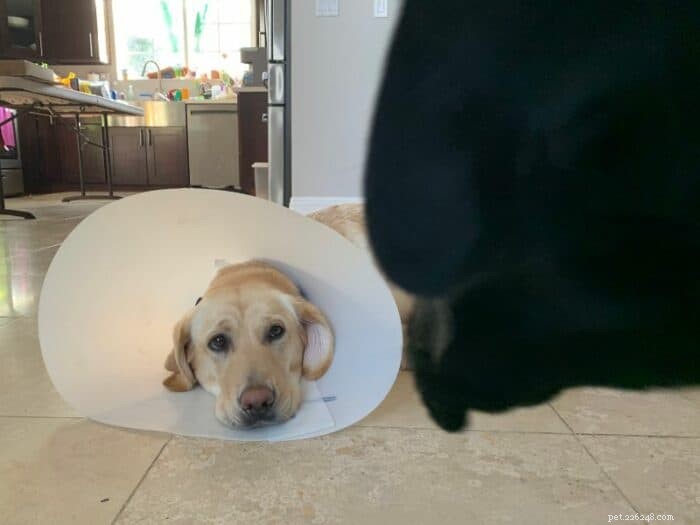
The cone’s primary functions are to prevent the dog from licking or biting the wound and to limit vigorous activity that could compromise healing. When your dog’s stitches are removed and the incision looks healthy, the cone can be taken off.
Every dog heals at its own pace, so the 10–14 day window is a guideline rather than a hard rule. Below, we outline key indicators that it’s safe to remove the cone and share strategies to make the cone period easier for both you and your pet.
Caring for Your Dog After Spaying/Neutering
Post‑operative care typically includes 24‑hour pain medication (often Rimadyl or Torbugesic) and a prescription for a cone. Your veterinarian will explain how to secure the cone and why activity should be restricted for about two weeks.
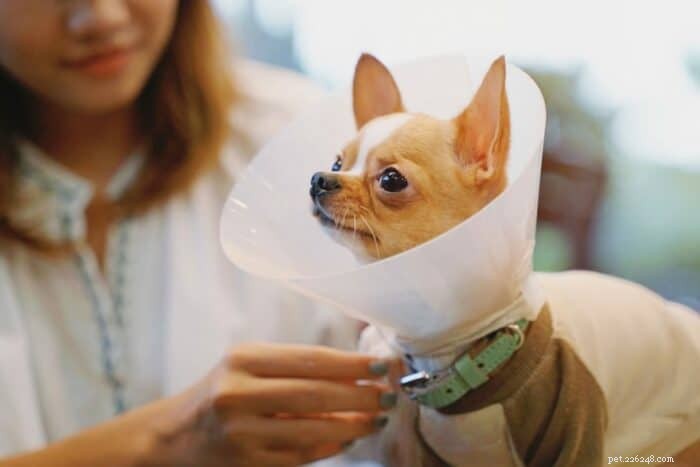
Because dogs instinctively try to lick or chew at the incision, the cone is essential. It also helps keep the dog calm and reduces the risk of infection.
When Can You Remove Your Dog’s Cone?
Veterinarians usually advise removing the cone 10–14 days after surgery, but the exact timing depends on several factors:
- No stitches or staples remain.
- The incision is free of redness, swelling, or tenderness.
- There is no discharge or signs of infection.
Some dogs may meet these criteria as early as seven days, but it’s safest to wait until the ten‑day mark unless a vet confirms it’s safe. If the incision still appears inflamed at 14 days, contact your veterinarian for a reassessment.
How to Make the Cone Period Comfortable
Cones can be distressing. The following practices help keep your dog safe and calm:
Stay Close
Spend the first 24 hours walking alongside your dog and supervising any navigation of stairs or tight spaces.
Offer a Safe Space
Keep your dog away from other pets and children during cone wear to reduce anxiety and prevent accidental licking.
Show Affection
Give extra praise and gentle petting to reassure your dog that they’re still loved.
Short Breaks (with Caution)
If your dog is very stressed, you may remove the cone briefly—but only under close supervision to prevent wound licking.
Choose a Comfortable Cone
Standard plastic cones can be rigid and uncomfortable. Consider the following alternatives:
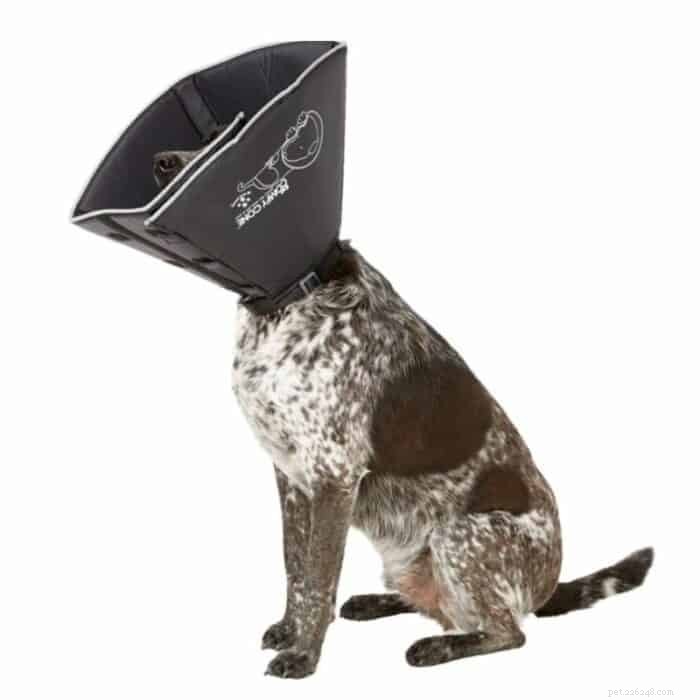
All Four Paws Comfy Cone E‑Collar
Made from padded nylon with adjustable stays, this cone reduces visual distortion and is easier to clean.
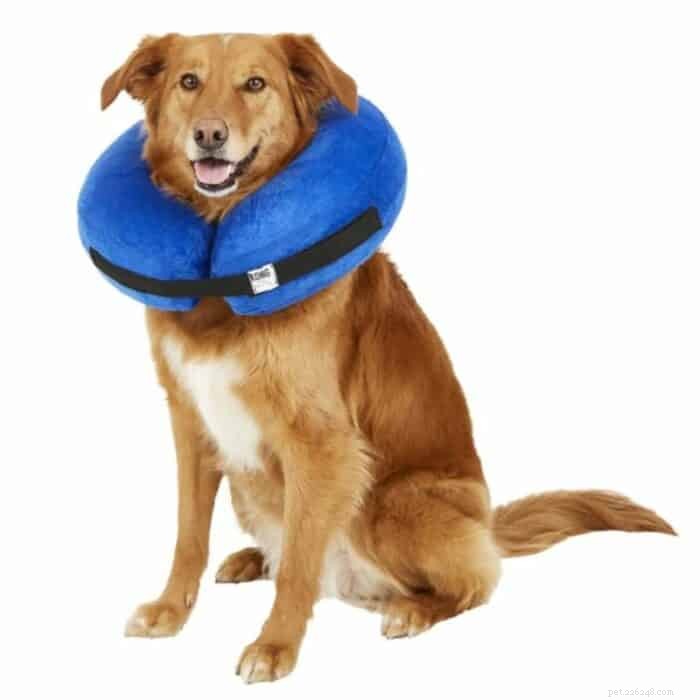
Kong Cloud Collar
Designed like a U‑shaped neck pillow, it allows normal eating, drinking, and vision while preventing licking.
Suitical Recovery Suit
Instead of restricting the head, this breathable suit covers the incision area and can be opened for bathroom breaks.

Frequently Asked Questions
Can I take my dog’s cone off after seven days?
Only if a veterinarian confirms the incision is fully healed. Most dogs need 10–14 days.
Can I leave my dog alone three days after neutering?
If your dog shows no interest in licking the wound and remains calm, short periods alone are fine. However, prolonged isolation should be avoided.
Can my dog run 14 days after neutering?
If the incision is healed, light exercise is safe. Always monitor for any signs of discomfort or re‑opening of the wound.
Why the Cone Matters
Although uncomfortable, the cone is a proven method to protect surgical sites, reduce infection risk, and limit activity during the critical healing window. With attentive care and the right cone, most dogs return to normal activity within 10–14 days.
- Pet Behavior
- Pet Breeds
- Pet Names
- Pet Adoption
- Pet Training
- Pet Information
- Pet Health
- Adorable Pets
- Dogs
- Thai Ridgeback: Comprehensive Guide to Traits, Training & Care
- Cooper’s Allergy-Friendly Diet, Routine, and IHT: A Comprehensive Guide
- 20 Dog Breeds with the Shortest Lifespans – Research-Backed Insights
- Easy Ingredient Swaps for Homemade Dog Food: Safe & Nutritious Alternatives
- Mexican Fireleg Tarantula (Brachypelma boehmei) Care Guide
- Understanding the Causes of Bloody Diarrhea in Dogs: Key Signs and When to Seek Vet Care
- Ozone Therapy in Veterinary Care: Proven Benefits for Dogs & Cats