

If Your Dog Hates Crate Training: Trusted Alternatives & Potty‑Training Tips
This post may contain affiliate links. We may earn a commission from the companies mentioned.
When a puppy resists the crate, owners often look for other ways to keep them safe and teach good habits. While crate training works wonders for many dogs, it isn’t the best fit for every pup—especially if they’re large, highly energetic, or simply dislike confined spaces.
Below we present a range of reliable alternatives, each with clear pros and cons, plus practical guidance on potty training without a crate and managing confinement anxiety.
Quick Recommendation: As guide‑dog puppy raisers, we train our puppies in a crate for the first 17 years. The MidWest Life Stages Crate has been our trusted choice throughout.
Crate Training vs. Alternatives
Crate training can be beneficial, but you can also achieve the same goals without a crate. The decision ultimately depends on your preferences and your dog’s temperament.
- Pros:
- Facilitates potty training when used correctly.
- Provides a safe, confined area that keeps dogs out of danger.
- Acts as a den‑like retreat during stressful events such as thunderstorms or loud construction.
- Cons:
- Can frustrate dogs if left inside for too long.
- Improperly assembled crates can be escaped from or cause injuries.
- May feel restrictive to some breeds or larger dogs.
What Happens If You Skip Crate Training?
Without crate training, younger dogs may wander into hazardous areas or develop undesirable habits. Many owners choose a “no‑crate” phase only after the dog has demonstrated reliable house‑training and a strong bond at home.
I adopted my puppies Missy & Buzz at eight weeks, began crate training immediately, and later transitioned to an open‑door policy when they reached two years old. During the day they freely chose between their beds, the couch, or the open crate; at night the crate door remained closed for safety.
My current pup Wally follows the same routine—open crate during the day, closed at night. This balanced approach lets him explore while still feeling secure.
Remember: every dog still needs adequate exercise and mental stimulation before being placed in any confinement solution. Provide a mentally engaging chew toy—such as a filled KONG or a Nylabone—perhaps frozen for added challenge.
Crate Alternative #1: Designated Doggie Room
Keep your pup in a single room with closed doors—laundry, small office, or bathroom work well. Avoid carpeted areas or use pee pads for easier cleanup.
Pro: Free and straightforward. Con: Dogs may scratch doors or become bored.
Crate Alternative #2: Playpens
Playpens come in various sizes and materials—mesh, metal, or hard plastic—allowing you to match the right fit for your dog. Small breeds thrive in foldable mesh pens; teething puppies benefit from metal or hard‑plastic models with chew toys.
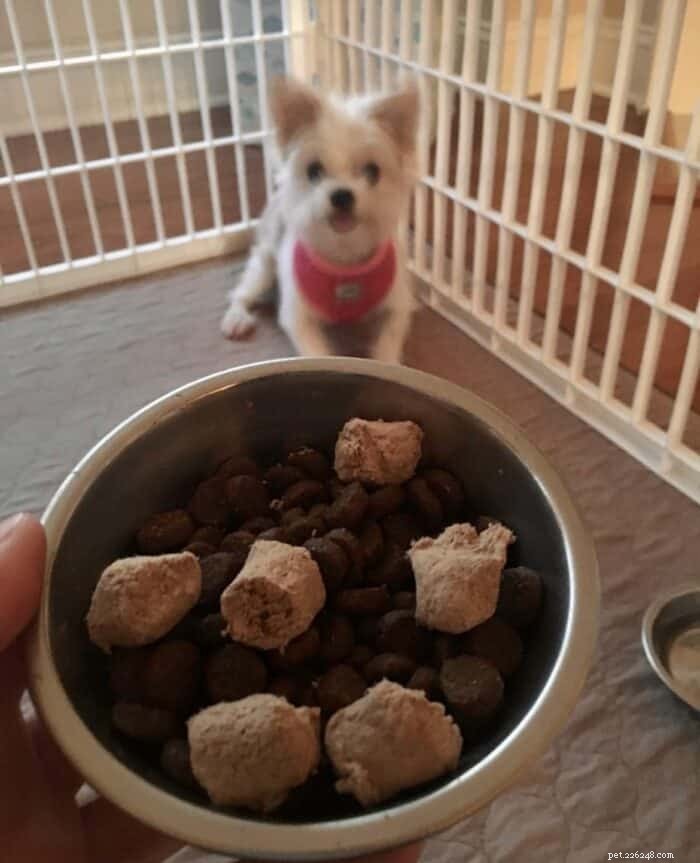
Pro: Inexpensive and easy to set up. Con: Some dogs may jump or topple the pen.
Crate Alternative #3: Gated Off Space
Use baby gates to create a safe zone in a tiled or hardwood area, such as the kitchen or laundry room. Gates are sturdier than playpens because they fit between walls or door frames.
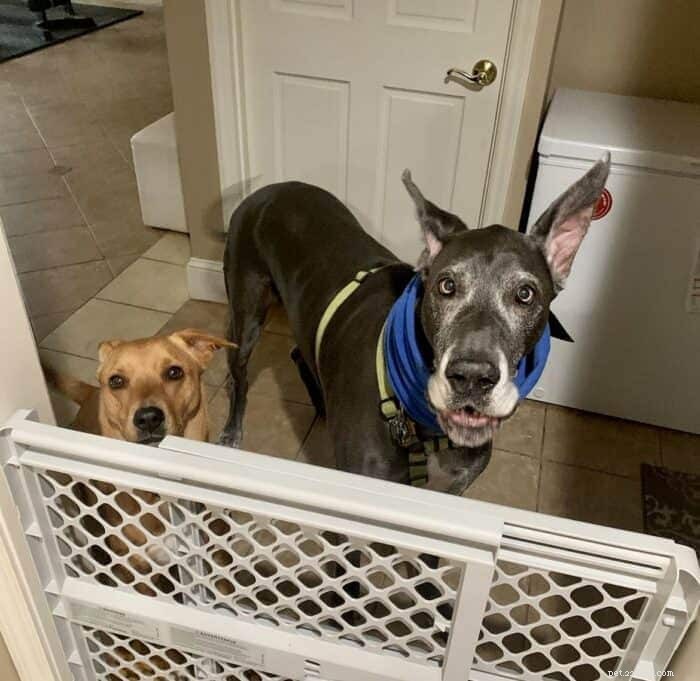
Pro: Affordable and simple. Con: Dogs with high jumping ability may overcome the gate.
Crate Alternative #4: Doggie Daycare
For owners who prefer professional care, doggie daycares provide a safe environment while the dog interacts with others. Check local options—many offer one‑on‑one care for dogs that prefer solitude.
Camp Bow Wow, for example, offers nationwide locations and a temperament assessment before enrollment. Visit the facility first to ask questions.
Pro: Professional supervision and socialization. Con: Can be costly and requires daily drop‑offs.
Managing Confinement Anxiety
If your dog reacts negatively to any form of confinement, start by boosting physical and mental exercise before leaving them alone. A tired dog is a well‑behaved dog.
Incorporate obedience commands and change direction frequently during walks to burn mental energy. Keep your departures calm—dogs pick up on your nerves.
Make confinement a positive experience: throw treats into the space, or feed a meal there. A quiet, rewarding environment helps reduce anxiety.
Potty‑Training Without a Crate
Playpens or baby gates are ideal for house‑training without a crate. Consistency is key—keep the same routine, provide frequent potty breaks, and reinforce that the outdoor area is the only place to eliminate.
Remember, puppies need bathroom breaks after waking, play, meals, and drinking. If you cannot be home often, enlist a trusted neighbor, friend, or pet sitter.
Bottom Line
Crate training is valuable when done correctly, but alternatives—designated rooms, playpens, gated spaces, or doggie daycares—can suit many dogs better. Consistency, exercise, and positive reinforcement are essential, regardless of the method you choose.
Related Article:
- When To Stop Crate Training Your Puppy
Top Picks for Our Puppies
- BEST DOG CHEW
We love Beef Collagen Sticks—pups bite, nip, and chew, and these sticks divert unwanted chewing. - BEST PUPPY TOY
Calmeroos Puppy Toy w/ Heartbeat and Heat Packs—great for new puppies easing anxiety. - BEST DOG TREATS
Crazy Dog Train‑Me Treats—high‑value treats for guide‑dog puppies. - BEST FRESH DOG FOOD
The Farmer's Dog—Raven loves it! Get 50% off your first order.
Check out more of our favorites on the New Puppy Checklist.
Barbara Rivers
Trilingual dog lover, e‑book author, founder, copywriter, dog nutrition blogger, and editor at K9sOverCoffee.
- Pet Behavior
- Pet Breeds
- Pet Names
- Pet Adoption
- Pet Training
- Pet Information
- Pet Health
- Adorable Pets
- Dogs
- Comprehensive Pet Rehabilitation: Enhancing Quality of Life
- 6 Red Flags of Back Problems in Dogs and How to Help Them
- Why Adopting Two Cats Together Is a Smart Choice
- Why Some Cats Act Like Dogs: Understanding Cross‑Species Behaviors
- Marijuana Toxicity in Dogs: Protecting Your Pets in the Era of Legal Cannabis
- After Nearly a Year Apart, Scarab Reunited with His Owner in Truro by Cornwall Adoption Centre
- Can Dogs Get Pregnant on Their First Mating? Myths and Facts Explained