

January Is National Train Your Dog Month: What You Need to Know
National Train Your Dog Month, created by the Association of Professional Dog Trainers, highlights the importance of socialization and training. January was chosen because many dogs are adopted during the holiday season, making the start of a new year the perfect time to begin training.
Most dogs end up in shelters due to behavioral problems that proper training could prevent. Our “Training Humans” series aims to change that.
This article explains what National Train Your Dog Month is, why training matters, and the essential do’s and don’ts for successful dog training.
A Quick Introduction
The Association of Professional Dog Trainers (APDT) is a professional organization dedicated to positive, science‑based training methods. APDT advocates for humane training and works to raise public awareness about dog‑friendly techniques.
National Train Your Dog Month launched in 2010 to promote training and socialization. The eighth annual campaign focuses on basic commands—sit, down, stay, wait, recall—and potty training.
Why Train Your Dog?
Dogs can’t speak our language, so training is the bridge that lets them understand our expectations. While dogs are naturally equipped for life in the wild, they need guidance to thrive in a home environment. Training benefits both the dog and the owner by reducing frustration, preventing shelter placements, and strengthening the human‑dog bond.
Key benefits of training:
- Mental stimulation and happiness for your dog.
- Physical exercise combined with training leads to a well‑tired, rested pet.
- Reward‑based methods encourage repeatable good behavior.
- Improved relationship and communication between you and your dog.
Poor Training Leads to Shelters
Hundreds of thousands of dogs are surrendered each year because owners lack training knowledge. National Train Your Dog Month provides resources to prevent these outcomes, emphasizing that effective training is a year‑round commitment.

Dog‑Friendly Training: Psychology Hacks
Understanding basic psychology makes training easier and more effective.
Classical Conditioning (Pavlov)
Ivan Pavlov discovered that dogs could associate a neutral stimulus (a bell) with food, leading to a conditioned response (drooling). This principle—classical conditioning—is foundational for teaching dogs to respond to cues.
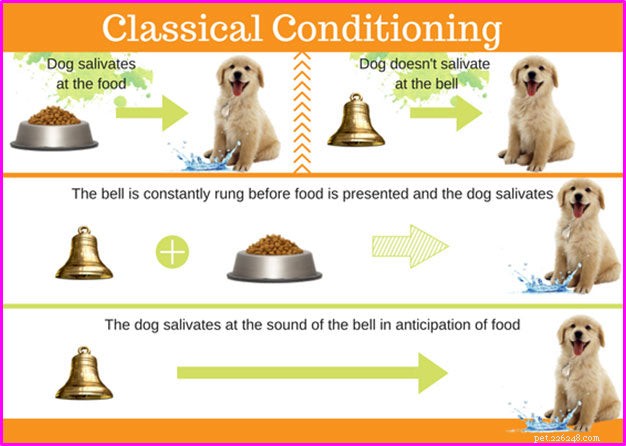
Key terms:
- Unconditioned stimulus (UCS): Naturally triggers a response (e.g., a treat).
- Conditioned stimulus (CS): A neutral cue paired with the UCS (e.g., a clicker or bell).
- Unconditioned response (UCR): The natural reaction (e.g., salivation).
- Conditioned response (CR): Learned reaction to the CS.
Consistency is crucial; the same cue must always be paired with the reward.
Instrumental (Operant) Conditioning
Operant conditioning relies on reinforcement to increase the likelihood of a behavior.
What Is Reinforcement?
Reinforcement is a consequence that makes a behavior more likely to recur.
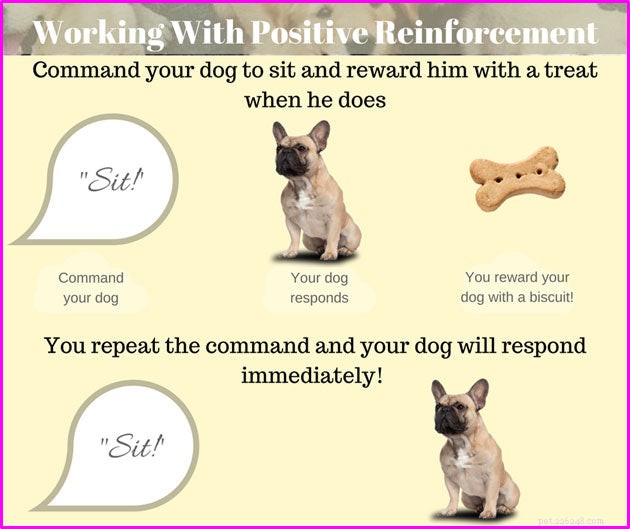
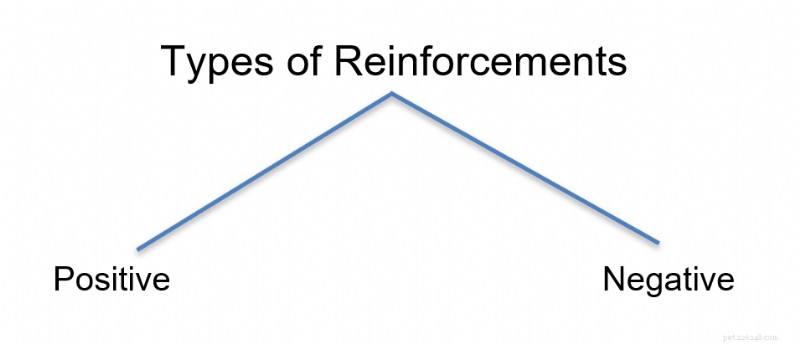
Two Types of Reinforcement
- Positive reinforcement: Adding a pleasant stimulus (treat, praise) after a desired behavior.
- Negative reinforcement: Removing an unpleasant stimulus when the desired behavior occurs.
Positive Reinforcement in Practice
Reward your dog immediately after it sits, stays, or eliminates outside. Rewards can be treats, toys, affection, or verbal praise.
Negative Reinforcement Explained
Removing an aversive element—such as ending a short “time‑out” when the dog stops barking—encourages the desired behavior. Conversely, taking away a favorite toy after destructive chewing discourages that action.
Do’s and Don’ts for Effective Training
Do’s
- Focus on your dog’s natural instincts; avoid confusing or teasing commands.
- Be consistent with timing and type of reward.
- Stay patient; training is a gradual process.
- Give your dog time to understand each command before moving on.
- Practice commands in varied environments (busy streets, parks, crowds).
- Reward immediately after the correct behavior.
- Teach one command at a time to avoid confusion.
Don’ts
- Never use your dog’s name to scold or punish.
- Don’t give treats before the task is completed.
- Avoid rewarding unwanted behavior with attention.
- Don’t let the dog get away with disallowed actions.
- Never hit or physically punish your dog.
- Don’t repeat a command without expecting a response; this leads to learned helplessness.
Choosing the Best Treats
Select high‑value rewards your dog loves—healthy treats, favorite toys, or extra cuddles—to keep motivation high.
Conclusion
National Train Your Dog Month, organized by the Association of Professional Dog Trainers, raises awareness that many shelter admissions stem from preventable behavioral issues. By using positive, science‑based training methods, you can build a lifelong, rewarding partnership with your canine companion. Have questions? Leave a comment below, and we’ll get back to you. Happy training!
- Pet Behavior
- Pet Breeds
- Pet Names
- Pet Adoption
- Pet Training
- Pet Information
- Pet Health
- Adorable Pets
- Dogs
- Dog Is Human DM-01™: The Ultimate Daily Multivitamin for Sensitive Dogs
- How Much Water Should Your Cat Drink? Recognizing Healthy Hydration Habits
- Beyond Love: What You Truly Need for a Meaningful Life
- Can Guinea Pigs Get Fleas? What Owners Need to Know
- Explore the Top 10 German Dog Breeds for Every Home
- 16 Most Friendly Cat Breeds for Loving, Loyal Companions
- Clio the Ragdoll: A Story of Love, Healing, and Gentle Companionship