

The Ultimate Reptile Care Checklist for New Owners
This post is sponsored by petMD® Reptile Center, and the BlogPaws Professional Pet Blogger Network. I am being compensated for helping spread the word about Reptile Ownership, but Pawsitively Pets only shares information we feel is relevant to our readers. petMD and PetSmart® are not responsible for the content of this article.
If you are thinking about bringing home a new reptile as a pet, you are going to need proper supplies, food, and most importantly - knowledge! Last month, I shared my experience as a reptile owner and my involvement in providing reptile care for veterinary hospital patients. Reptiles are fabulous pets, but they are quite different from other types of pets.
The new petMD® Reptile Center is a trusted source where reptile owners can find valuable information on reptile care. All of the information at the petMD Reptile Center is either written or approved by veterinarians. Here you'll find helpful reptile articles, quizzes, infographics, and slideshows all about reptile ownership.
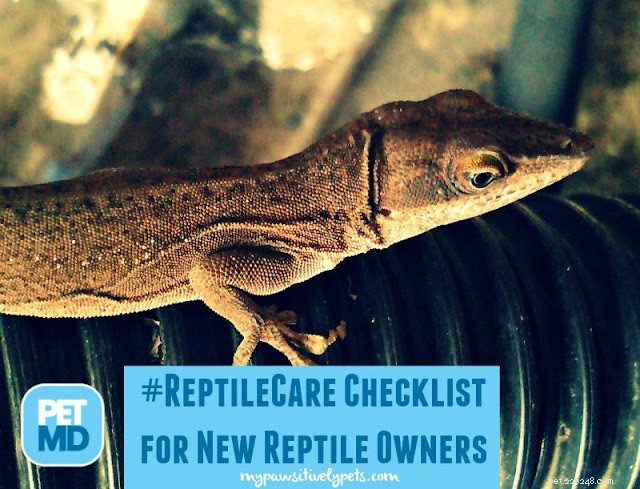
As a veterinary technician who has helped care for numerous species of snakes, lizards, and turtles, I can't tell you how important it is to get some basic knowledge on your reptile pet before bringing it home. We saw many reptiles in the hospital who were sick due to poor husbandry and care. It's not because the owners neglected their reptile pets, but they were just not caring for them in the proper way due to lack of knowledge.
Here are some questions you should know the answers to before bringing home a new reptile. Remember that each species is different! You can use this as a checklist to make sure you have everything ready for your new friend when they come home.

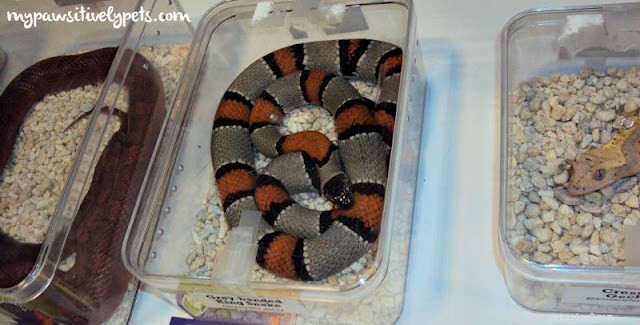
Remember that you can find plenty of reptile care information at the new petMD Reptile Center. Once you know what kind of supplies your species of reptile needs to thrive and be happy, you can visit your local PetSmart® and pick up all the necessities. You should be able to find everything you need there, but if not you can check out their online store too.
With proper knowledge and tools, you can enjoy the companionship of your new reptile for many years to come!
If you are thinking about bringing home a new reptile as a pet, you are going to need proper supplies, food, and most importantly - knowledge! Last month, I shared my experience as a reptile owner and my involvement in providing reptile care for veterinary hospital patients. Reptiles are fabulous pets, but they are quite different from other types of pets.
The new petMD® Reptile Center is a trusted source where reptile owners can find valuable information on reptile care. All of the information at the petMD Reptile Center is either written or approved by veterinarians. Here you'll find helpful reptile articles, quizzes, infographics, and slideshows all about reptile ownership.
As a veterinary technician who has helped care for numerous species of snakes, lizards, and turtles, I can't tell you how important it is to get some basic knowledge on your reptile pet before bringing it home. We saw many reptiles in the hospital who were sick due to poor husbandry and care. It's not because the owners neglected their reptile pets, but they were just not caring for them in the proper way due to lack of knowledge.
Reptile Care Checklist - Ask Yourself These Questions First
Here are some questions you should know the answers to before bringing home a new reptile. Remember that each species is different! You can use this as a checklist to make sure you have everything ready for your new friend when they come home.
- What kind of home does your species of reptile require? Consider how large your reptile is going to grow as it ages. Make sure you buy a terrarium that it can grow into. Some reptiles, like Iguanas and Sulcata Tortoises, can grow very large. Can you accommodate their needs as they grow?
- What kind of substrate should you use in your reptiles terrarium? Substrate is a term used to describe the type of bedding used for reptiles. There are many different options available for use, but some are considered unsafe due to risk of ingestion. Some reptiles may eat their substrate which puts them at risk of becoming obstructed. One of the safest substrates for reptiles is a reptile carpet.
- What kind of lighting and heat sources does your reptile need? Your reptile likely needs to have a basking area in their enclosure. A heating lamp is a good way to provide this. They will also need a UVA/UVB light source to stay healthy, depending on what species they are. These two kinds of lights are not the same thing, so remember that you may need both.
- What temperature and humidity levels does your reptile require? Again, each species is different so find out the special needs of yours. You can purchase a thermometer and humidity guage for your reptile's terrarium. Try to find one that you can move around so you can monitor different temperatures in various places in their home.
- What kind of food does your reptile pet need to eat? A very important part of reptile care is diet! Reptiles can be carnivores, herbivores, or omnivores. Many reptiles like to eat bugs like crickets or mealworms. These can usually be purchased from PetSmart®. You can also find pelleted diets for popular reptile pets. And some herbivorous reptiles need hay in their diets. Snakes usually eat rodents, but many veterinarians recommend that you do not feed live prey due to risk of injury. (Live small rodents may bite your snake.) Instead, you can feed frozen prey.
- Where will you take your reptile for veterinary care? Yes - there are veterinarians who see reptiles. It could be difficult finding one that specializes in reptile care, so try contacting a few vet clinics to see what your options are. Reptiles can get sick just like other pets, so it's important that you're prepared to seek veterinary care if needed. And it's a good idea to take your reptile to the vet for a well check when you get them. This is a good time to talk about proper nutrition or bring up any other questions you might have.
- What kind of water source does your reptile need? Reptiles should have fresh water to drink. Some need to be misted with water, some like to soak in warm baths every now and then, and others may be aquatic (like red eared slider turtles).
Remember that you can find plenty of reptile care information at the new petMD Reptile Center. Once you know what kind of supplies your species of reptile needs to thrive and be happy, you can visit your local PetSmart® and pick up all the necessities. You should be able to find everything you need there, but if not you can check out their online store too.
With proper knowledge and tools, you can enjoy the companionship of your new reptile for many years to come!
What reptile care tips do you have for new reptile owners? Share them with us in the comments!
- New Year's Resolutions to Strengthen Your Bond with Pets
- Plan Ahead: Keep Your Reptile Healthy While You Vacation
- Salmonella Prevention: Key Guidelines for Reptile & Amphibian Owners
- Safe Ant Control for Reptile & Amphibian Enclosures Using Diatomaceous Earth
- Recent Studies Show Reptiles Possess Advanced Cognitive Skills – Discover How Smart Your Pet Is
- Essential Tips for First-Time Cat Parents
- How to Pick the Perfect Pet Bird Name for New Owners