

Salmonella Prevention: Key Guidelines for Reptile & Amphibian Owners
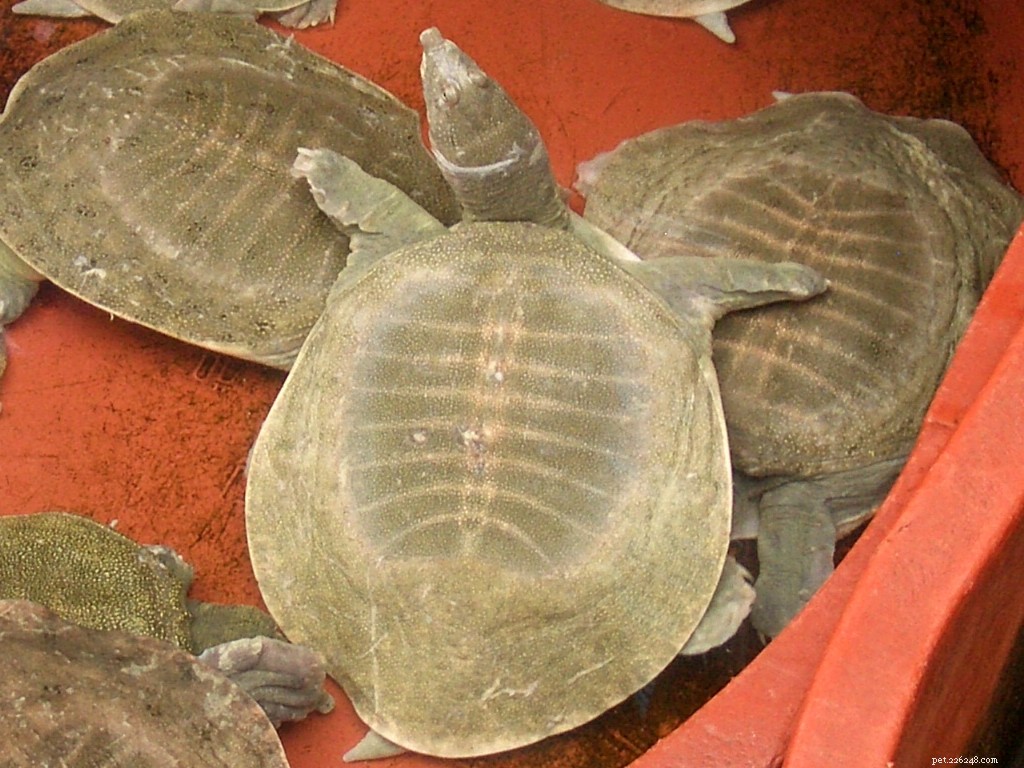 Zoonotic diseases (those that can pass from animals to people) such Salmonella bacteria infections are a potential concern in the keeping of any pet. Many people associate Salmonella with reptiles, but nearly any animal, including dogs, cats and birds, may harbor this troublesome micro-organism. Handling an animal that carries Salmonella will not cause an infection; the bacteria are harmful to people only if ingested.
Note: This article is intended for general informational purposes and is not meant to replace a doctor’s advice. Please consult your physician or veterinarian for specific information concerning disease prevention and treatment.
Avoiding Salmonella: Knowledge is Key
Fortunately, Salmonella infections can be avoided by following a few simple rules. Healthy individuals have a relatively low risk of becoming infected; infants, and people with compromised immune systems, are more susceptible. Please see the CDC’s website, below, for further information.
If we are to safely enjoy our pets, it is important that we are aware of any associated health concerns. Once this is accomplished, we will be able maintain a reasonable perspective, i.e. that disease does not usually follow pet ownership. For example, dogs are capable of harboring at least 17 harmful microorganisms, yet the vast majority of dog-owners are untroubled by health problems.
The same can be said of reptile owners – Salmonella infections are not typical. However, it is important to understand that Salmonella bacteria are likely present in all reptile and amphibian digestive tracts. While the bacteria rarely cause illnesses in their hosts, they are shed in the feces and may then be encountered by people.
How is Salmonella Transferred?
It is important that pet owners understand how bacteria are transferred from animals to people. When a reptile or amphibian contacts fecal material in its terrarium, the bacteria may spread to the animal’s skin. Thereafter, the bacteria can be spread to various surfaces that appear “clean” to the eye (i.e. fecal material is not visible). Animal skin, water bowls, substrates, cage decorations, and surfaces upon which animals have walked (floors, etc.) may all harbor bacteria that have been shed in feces.
People can become infected and/or spread the bacteria to others if they handle a reptile (or its cage, etc.) and then eat, or touch surfaces that come in contact with food, before washing properly. Young children are especially at risk, since fingers often find their way into mouths.
When is Salmonella Transferred?
Salmonella bacteria is most commonly (and, from a “bacterial” point of view, effectively!) transferred to hands and other areas of skin during cage and water bowl cleaning, feeding, and when pets are handled. Hands must always be washed well after these activities (please see CDC Guidelines, below).
Cleaning Cages and Surfaces
Reptile enclosures, food bowls, cage accessories and the like should be cleaned with Nolvasan, a reptile-safe commercial cleaner, or a solution of 1 cup of bleach per gallon of water. Do not use Nolvasan in amphibian terrariums.
Tools used in terrariums should be soaked in the bleach solution described above before being re-used in the same or another enclosure. Be sure to remove feces and other organic material before soaking. Rinse tools well after removal from the soak solution.
Center for Disease Control and Prevention (CDC) Guidelines
The following guidelines have been prepared by the Center for Disease Control and Prevention. For additional information, please see the CDC’s website.
- Adults should always supervise hand-washing for young children.
- Do not let children younger than 5 years of age handle or touch reptiles or amphibians, or anything in the area where they live and roam, including water from containers or aquariums.
- Reptiles and amphibians should not be kept in homes where children younger than 5 years old or people with weakened immune systems reside.
- Reptiles and amphibians should not be kept in child care centers, nursery schools or other facilities serving children below 5 years of age.
- Do not touch your mouth after handling reptiles or amphibians and do not eat or drink around animals.
- Do not let reptiles or amphibians roam freely in homes or in areas where food or drink is prepared, served, or stored.
- Pet habitats and their contents should be carefully cleaned outside of the home. Use disposable gloves when cleaning and do not dispose of water in sinks used for food preparation or for obtaining drinking water.
- Do not bathe animals or clean their habitats in kitchen sinks. If bathtubs are used for these purposes, they should be thoroughly cleaned afterward. Use bleach to disinfect a tub or other place where terrariums are cleaned.
- Wash clothing that has been in contact with pets.
- Use soap or a disinfectant to thoroughly clean any surfaces that have been in contact with reptiles or amphibians.
This information is not designed to discourage reptile and amphibian ownership… with a bit of care, the most commonly-encountered problems can be effectively managed.
- The Ultimate Reptile Care Checklist for New Owners
- How to Care for Amphibians & Reptiles Through Autumn & Winter
- Safe Ant Control for Reptile & Amphibian Enclosures Using Diatomaceous Earth
- Safe, Effective Cricket & Roach Control for Reptile & Amphibian Caretakers
- Top Hygrometers for Reptile, Amphibian, and Invertebrate Habitats
- Top Holiday Gifts for Reptile & Amphibian Enthusiasts—From Beginners to Experts
- Best Infrared Temperature Gun for Precise Reptile & Amphibian Terrarium Monitoring