

Guide to Caring for and Breeding the African Pygmy Mouse – Part 1
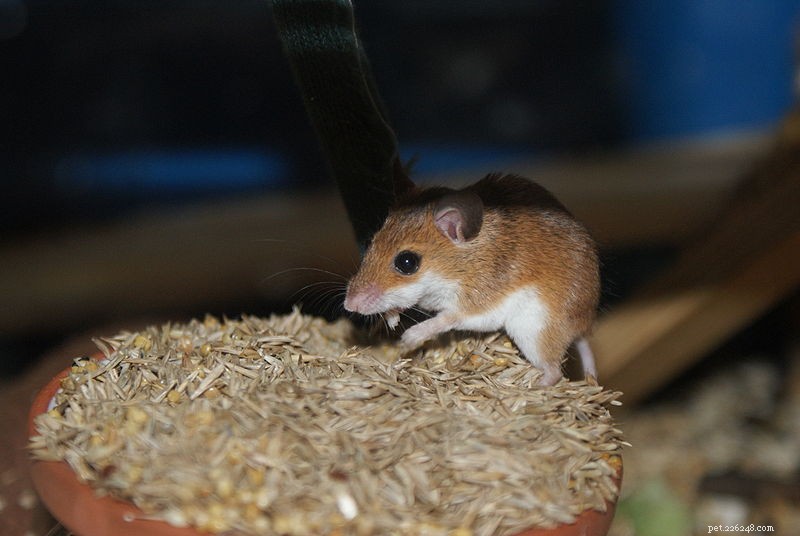 The African Pygmy Mouse (Mus minutoides) is a delightful little creature that is sometimes available in the US pet trade. Its care differs slightly from that of its giant (by mouse standards!) cousin the House Mouse, but experience with House or Fancy Mice will be very useful should you decide to give these diminutive fellows a try.
Note: Be sure to check local laws before purchasing an exotic rodent, and ask your doctor if there are any health issues to consider. All animal bites and scratches, however minor, should be attended to by a physician.
Captive History
I first made the Pygmy Mouse’s acquaintance while working for an animal importer in NYC many years ago. The tiny beasts measured between 1 and 3 inches in length, and could perch comfortably on a quarter! I was fascinated by their behavior, and for a time they were quite popular zoo exhibits and pets. These days African Pygmy Mice are harder to find, but a few private breeders still offer them on occasion.
Mouse Engineers
Pygmy Mice range throughout much of Africa south of the Sahara.
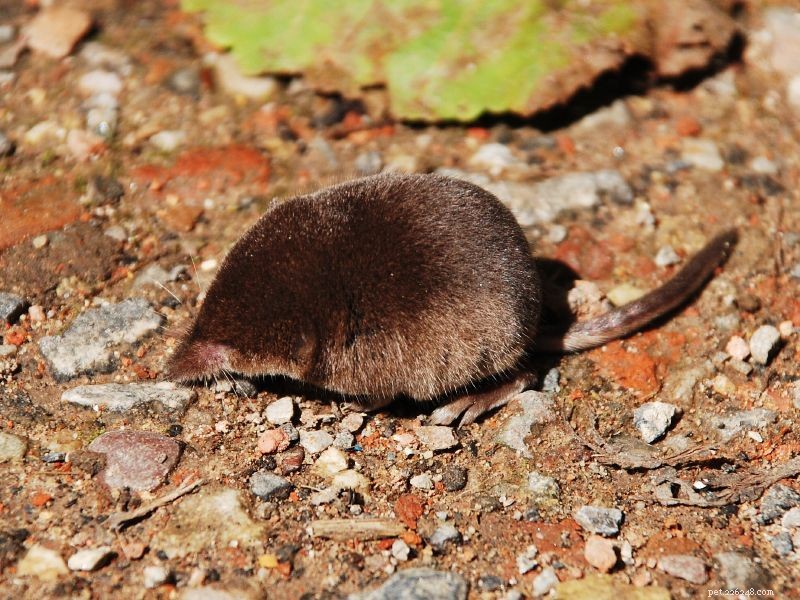
While not the smallest of mammals – Kittie’s Hog-Nosed Bat of Thailand is bumblebee sized, and the North American and Eurasian Pygmy Shrews (please see photo) are not much larger – they are the tiniest furred creatures that most people will ever see.
In dry habitats Pygmy Mice gather water by piling pebbles at their burrow’s entrance at night. The warm air from the burrow collides with the cooler evening air aboveground, creating condensation that is licked off the pebble piles each morning – most ingenious!
Handling
 Pygmy Mice are not great choices for those looking for a pet to handle or play with. They are very quick and tend to be high strung (you would be too at that size – in Africa, they are on the menus of spiders, frogs, snakes, lizards and countless birds and mammals!) and are easily injured when handled. They may resist by biting, and despite their size can easily break one’s skin; please see caution concerning bites above. However, Pygmy Mice are fascinating to observe, especially when set up in a spacious aquarium.
Social Groups
One male and 3 female Pygmy Mice will live comfortably in a 10 gallon aquarium, but more space will be beneficial to them and provide more for you to observe.
Colony housing is possible in large tanks, but if too many males are present fighting will ensue. I’ve never been able to pinpoint when this will occur…some groups do well with many males, while at other times I’ve had to separate males even when only 4 were present in a 55 gallon aquarium. A host of factors, including external stressors, female ratio and individual personalities (yes, they vary in personality!) are likely at work, so in group situations I just watch carefully and remove most of the males.
Further Reading
Interesting new research on sex determination in the Pygmy Mouse
Video of a female caring for her tiny youngsters.
Eurasian Pigmy Shrew image referenced from wikipedia and originally posted to Flickr by Polandeze
- Pet Behavior
- Pet Breeds
- Pet Names
- Pet Adoption
- Pet Training
- Pet Information
- Pet Health
- Adorable Pets
- Dogs
- Breeding Green Iguanas: Choosing the Ideal Indoor & Outdoor Nest Sites – Part 1
- Blue‑Tongued Skinks: Expert Care & Breeding Guide – Part 2
- Keeping & Breeding Blue‑Tongued Skinks – A Practical Guide (Part 1)
- Breeding the Green Basilisk (Plumed) and Related Species – A Comprehensive Guide
- Breeding Green Basilisks & Related Species: Expert Guide – Part 2
- Premium African Pygmy Mouse: Tiny Pink Mice for Small Herpetile Nutrition
- Mastering African Clawed Frog Breeding: Proven Techniques & Care