

New Study Clears Asp of Responsibility in Cleopatra's Death
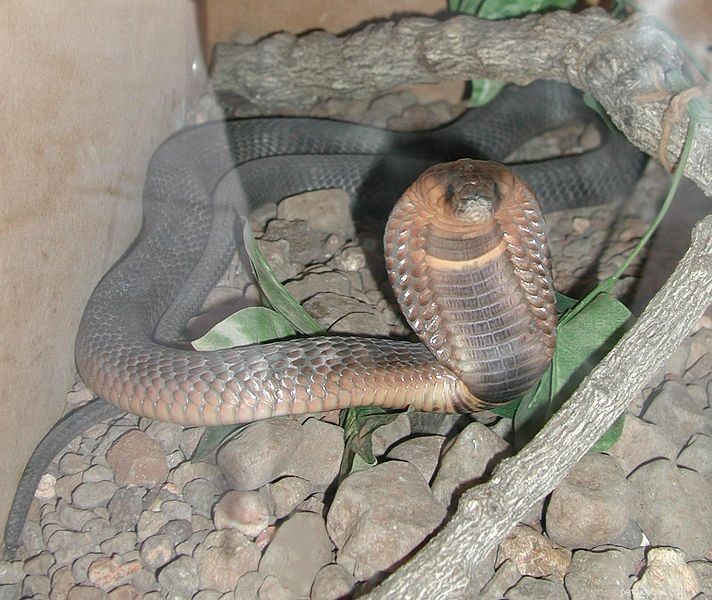 A 2,000 year-old-legend holds that Cleopatra, famed last Queen of Egypt, committed suicide by allowing an Asp, or Egyptian Cobra (Naja haje), to bite her. A recent study at Germany’s University of Trier, however, has now called this story into question.
Plant Poison or Snake Toxin?
By analyzing ancient Egyptian papyrus scrolls and a Roman historian’s account of Cleopatra’s demise, German toxicologists have concluded that a lethal mixture of plant poisons, and not a venomous snake bite, was the more likely suicide agent.
Research revealed that Cleopatra was probably well-schooled in the use of plant poisons, and had even observed their use in prisoner executions during her search for a painless suicide method. Written descriptions of her passing as being “peaceful and painless” also point away from a cobra bite, which usually induces vomiting, respiratory failure and a great deal of pain.
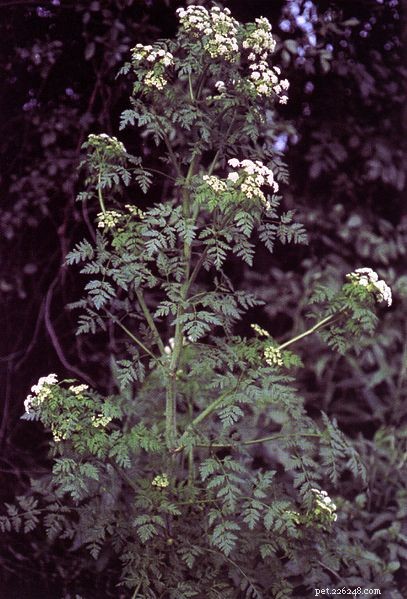
One of the ingredients in Cleopatra’s toxic cocktail is believed to have been Hemlock, which has also been implicated in Socrates’ death.
Future Possibilities…
Egypt’s last queen is said to have expired in 30 BC, following the example of her partner Marc Anthony, who committed suicide after losing the Battle of Actium. If her remains are ever found, forensic studies may finally put an end to centuries of speculation.
Until then, stay away from Asps…and Hemlock-based beverages!
- Woman Sues Starbucks After Dog Died from Hot Tea Spill
- Safe and Humane Termination of Pregnancy in Dogs: A Guide for Owners
- Preparing for Your Pet’s Final Days: A Compassionate Guide to Grief and Practical Steps
- Do Hedgehogs Mate for Life? The Truth About Their Mating Habits
- How CBD Can Help Your Cat's Health and Well-Being
- A Courageous Journey: A Sheltie’s Triumph Over Mental Illness in Agility Competition
- Safe & Effective Tug‑Play: Expert Rules for Your Dog