

Live Bloodworms: The Essential Protein for Small Amphibians and Their Larvae
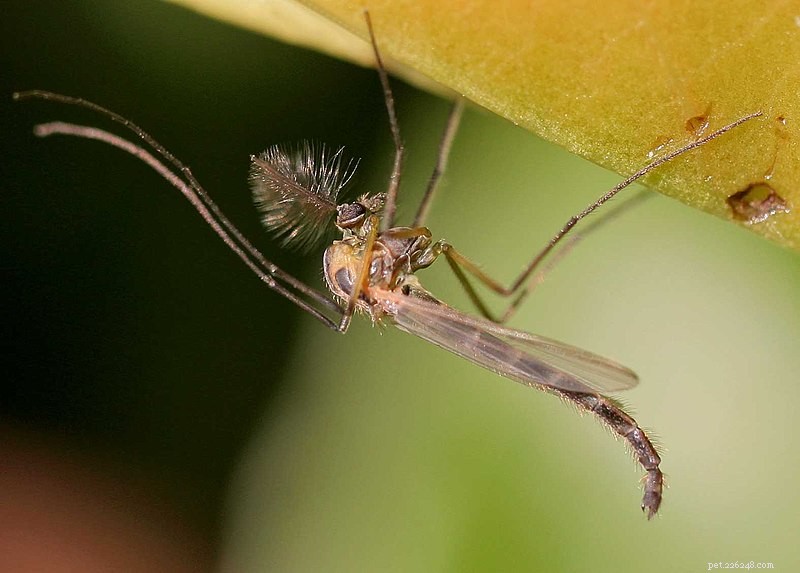 Those of us who keep and breed small aquatic amphibians usually have a difficult time providing our pets with dietary variety. This is especially true as regards salamander larvae and other creatures that usually accept only live foods. In most cases, such animals must make do with the pet trade staples, Brine Shrimp and Blackworms. Today I’d like to introduce a useful aquatic food item that is popular with aquarists but often over-looked by herp keepers – the Bloodworm (Chironomus spp.).
Natural History
Bloodworms resemble, but are unrelated to, aquatic worms. Rather, they are the larvae of tiny flying insects known as Midges (often called “Gnats”) of the Family Chironomidae. They have long been sold in stores specializing in tropical fishes, and can also be ordered from internet dealers.
Interestingly, Bloodworms utilize a type of Hemoglobin that is very similar to our own, and which fulfills the same role – carrying oxygen throughout the body. Hemoglobin imparts both color and common name to these small (to 1 inch in length) insects.
Life Cycle
In the wild, Bloodworms feed ravenously on organic detritus for 10-12 days, after which they pupate and then leave the water as winged adults. The adults, known as Midges, tend to transform at the same time, and often form huge swarms. Most species mate and lay eggs without feeding, and expire in 1-3 days.
This lifestyle renders it difficult to rear Bloodworms in captivity. I did have a colony established for a time in a large zoo exhibit, but collecting the larvae is difficult as they create small tubes in which to hide by day. Fortunately, Bloodworms live quite well under refrigeration, and so may be stored and used as needed.
Using Bloodworms
Bloodworms differ from other readily available small live foods in being insects. This is an important point, because, as such, they likely offer nutrients that are different from those to be found in Brine Shrimps and Blackworms.
 I have found Bloodworms particularly valuable as food for salamander larvae, carnivorous tadpoles (i.e. African Bullfrogs), Dwarf African Clawed Frogs (Hymenochirus spp.), small African Clawed Frogs (Xenopus spp.), young Surinam Toads and Eastern Spotted and similarly-sized newts. When placed in a small dish with a tiny bit of water, they are sometimes taken by Marbled, Red-Backed and other terrestrial salamanders.
Freeze dried and frozen Bloodworms offer a convenient means of supplying this important food item to those species that will accept non-living food items. I always include them in the diet of omnivorous tadpoles that are known to be scavengers (American Bullfrogs, Poison Frogs).
- Raising Springtails for Poison Frogs, Mantellas & Small Amphibians: Expert Care Guide – Part 2
- The Essential Role of Houseflies and Maggots in Reptile, Amphibian, and Invertebrate Nutrition
- Affordable Terrarium Designs for American Toads & Relatives
- Calciworms: Premium Black Soldier Fly Larvae for Reptile & Amphibian Nutrition
- Amphipods: Essential Calcium‑Rich Food for Amphibians & Reptiles
- Sap Beetles: A Reliable Alternative Food for Small Poison Frogs
- Why Earwigs Are a Nutritious, Low‑Risk Food Choice for Pet Reptiles and Amphibians