

Premium African Pygmy Mouse: Tiny Pink Mice for Small Herpetile Nutrition
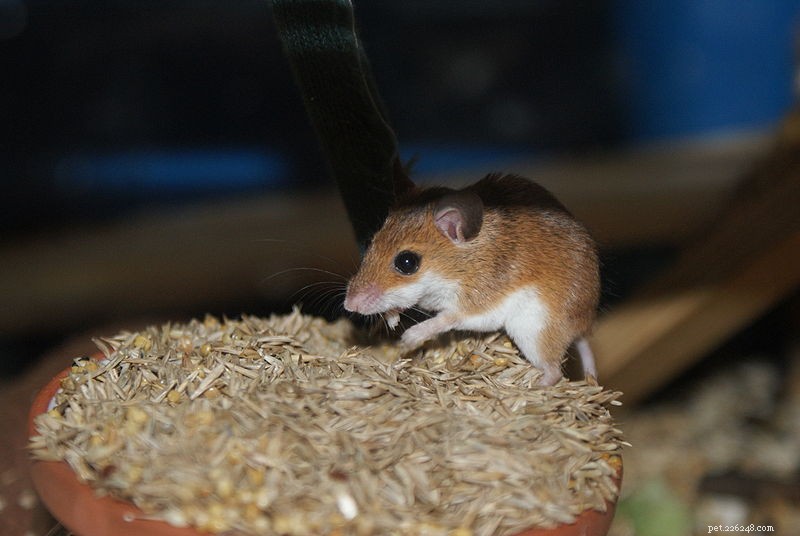 It’s well known that whole animals, complete with skin and internal organs, are the best source of nutrition for most carnivorous reptiles and amphibians. Hobbyists keeping and breeding small species that fee upon mammals must often cut pink mice and similar food items into pieces in order to feed their collections. In doing so, important nutrients are lost, and health, especially in the case of growing animals, usually suffers. The African Pygmy Mouse (Mus minutoides) provides one possible solution to this problem.
Captive History
I first ran across the Pygmy Mouse while working for an animal importer in NYC who supplied exotic rodents to US zoos. The little fellows were fascinating, and despite their diminutive size (at 1.2-3 inches, they can perch comfortably on a quarter!), they were quite popular zoo exhibits and, for a time, pets. In fact, one difficulty in breeding them as a food item is that folks often find them too interesting and endearing to part with!
Mouse Engineers
Pygmy Mice range through much of Sub-Saharan Africa. While not the smallest of mammals (Thailand’s Kittie’s Hog-Nosed Bat is bumblebee sized, and North America’s Pygmy Shrew is not much larger), they are the tiniest furred creatures most people will ever see.
In arid regions Pygmy Mice gather water by piling pebbles at their burrow’s entrance at night. The warm air from the burrow collides with the cooler evening air above ground, creating condensation that is licked off the pebble piles each morning – most ingenious!
Use as Herp Food
Pygmy Mouse pinkies are barely the size of pencil erasers, and therefore well-suited for use for tiny snakes, especially those that refuse all but live food. In zoo collections, I’ve found them to be invaluable when raising Eyelash Vipers (note: Eyelash Vipers are venomous and should not be kept at home, despite the fact that they are sometimes offered for sale).
They are also an ideal solution for a problem that arises when keeping certain large, insectivorous lizards, frogs and salamanders. American Bullfrogs, Basilisks, Tiger Salamanders and many others need a good deal of calcium, which is easily supplied by feeding typical pink mice (baby House Mice). However, when fed a steady diet of House Mouse pinkies insectivorous herps often develop fat deposits in the eye and liver problems. The tiny Pygmy Mice pinkies may be “easier” on their digestive systems, providing high quality calcium and dietary variety without the side effects.
- Top Dog Breeds for Small Ranch Ownership
- Top 5 Small Pet Snakes for New Owners
- Small Dog Syndrome: Understanding and Managing Overbearing Behaviors
- Essential Guide to Caring for Your Pet Mouse
- Feeding Habits of African Clawed Frog Tadpoles: A Comprehensive Guide
- Optimal Diets for Poison Frogs, Mantellas, and Small Amphibians: A Care Guide
- Guide to Caring for and Breeding the African Pygmy Mouse – Part 1