

Massive Declines in Snakes and Lizards Signal Global Reptile Crisis
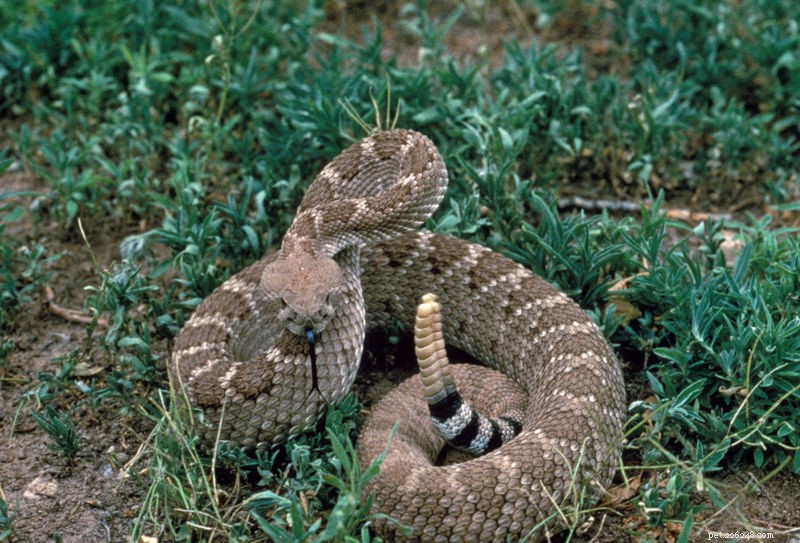 Studies in several countries recently hinted that snakes may be declining worldwide, in much the same manner as has been shown for scores of amphibian species (please see article below). This month (October, 2010), scientists at the University of Arizona have documented massive declines in both snakes and lizards in a well-protected reserve, adding to fears that major extinctions lie ahead.
Frightening Similarity to Earlier Studies
Populations of 8 snake and 6 lizard species in Arizona’s Organ Pipe National Park were found to have declined by 50% between 1998 and 2002, and have not recovered. The reptiles in question had been monitored carefully for 22 years, so accurate baseline numbers were available. The species that showed significant declines included Regal Horned, Zebra-Tailed and Red-Back Whiptail Lizards, Mojave and Western Diamondback Rattlesnakes, Gopher Snakes and King Snakes.
These results echo those of studies conducted in Europe, Africa and Australia, where populations of 11 snake species crashed during the same years. In Mexico, local populations of 48 types of lizards have gone extinct since 1975.
Climate Change Implicated
While definite conclusions as to cause are impossible to draw, much of the available evidence points towards climate change. The study area has become hotter and drier in recent years, and the snakes and lizards that declined most precipitously were those sensitive to rising temperatures and drought.
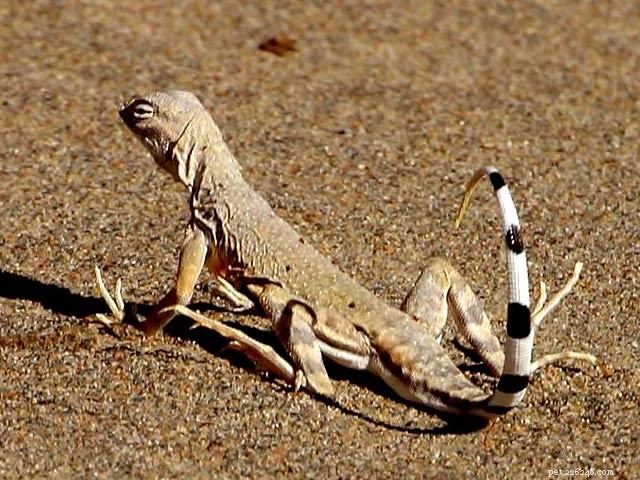 Snakes adapted to desert conditions fared well. Tree-dwelling and nocturnal lizards, which can more easily escape temperature extremes than diurnal ground-dwellers, did not decline in numbers.
- 10 Charming Names for Your Pet Snake
- Ringneck Snake Care: A Comprehensive Guide for Healthy, Happy Pets
- Proper Feeding of Pet Snakes: Overcoming Reluctance to Eat Frozen Mice and Other Pre‑Killed Prey
- Optimal Lighting Solutions for Pet Snakes: A Practical Guide
- Emerging Study Signals Global Decline in Snake Populations
- 15 Beginner-Friendly Pet Snakes You Can Care For with Confidence
- Corn Snakes: The Ideal Beginner's Pet for Reptile Enthusiasts