

Optimal Chameleon Nutrition: A Comprehensive Guide to Healthy Diets
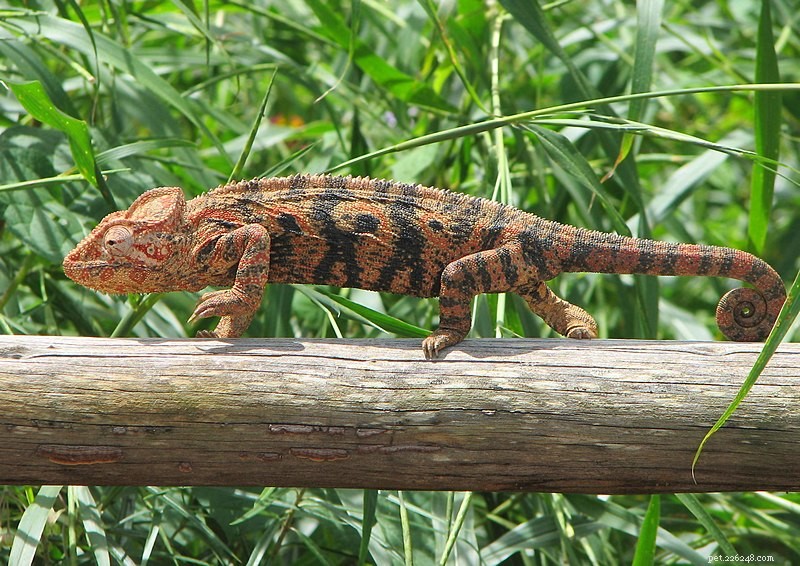 Most chameleons will eagerly accept crickets and mealworms. However, even if you use reptile vitamin/mineral supplements, a diet comprised of 2-3 insect species is not suitable for chameleons – or for hardly any reptile or amphibian. Your lizards will survive on such fare for awhile, but will inevitably develop nutritional disorders and die “long before their time”. To avoid this, please read the following article before purchasing a chameleon; the information provided is applicable to Parson’s, Panther, Veiled and all other popularly-kept species.
Variety, an Essential Consideration
A varied diet is essential if you are to have success in keeping, much less breeding, chameleons long-term. The few field studies that have been done indicate that free-living chameleons consume dozens of invertebrate species.
Always strive to provide your pets with as many different invertebrates as is possible. This can be a time-consuming, albeit interesting, effort, so please consider this point carefully before purchasing any insectivorous reptile.
Collecting Insects and other Invertebrates
I’ve done well by relying upon wild-caught invertebrates during the warmer months and saving crickets, waxworms, roaches and other commercially-available insects for winter use. Any efforts towards this end are useful – for example, beetles or moths plucked from a window screen several times each week will go a long way in ensuring your pet’s good health.
Collecting insects is actually quite interesting and a great deal of fun. I’ve written a number of articles on insect collecting techniques and insect traps. Please check them out when you have a moment – you may discover a new hobby in the process!
The Zoo Med Bug Napper Insect Trap simplifies the collecting of moths and other flying insects.
Wild Invertebrates Suitable for Chameleons?
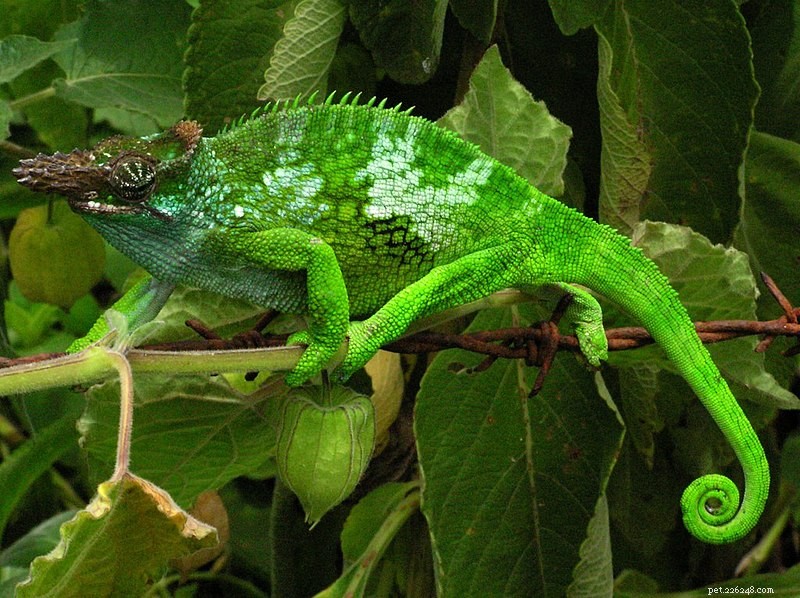 Chameleons refuse little in the way of live invertebrates. In fact, their enthusiastic reactions to new prey items may surprise you; I notice a real difference in their responses to, for example, moths as opposed to crickets.
I provide moths, butterflies, hover-flies, beetles and their grubs, sowbugs, millipedes, grasshoppers, tree crickets, field crickets, katydids, harvestmen, earwigs, inch-worms and other “smooth” caterpillars and a variety of other easily-collected species. Most chameleons seem to favor arboreal and flying insects over grubs and other terrestrial forms; many refuse earthworms.
Avoid using “hairy” caterpillars, spiders, large ants and other invertebrates that are able to bite or sting. A good invertebrate field guide (i.e. the Audubon or Peterson series) will prove indispensible. Brightly-colored insects are often toxic, as are fireflies.
Do not collect during times when your area is being sprayed for mosquito control. For more on pesticide and related concerns, please see this article.
Commercially-Reared Insects
You should allow insects purchased for chameleons to themselves feed upon a healthful diet for several days, in order to increase their nutritional value (this process is often termed “gut loading”). Please see the following articles to learn about the proper care of feeder insects:
Cricket Care
Mealworm Care
Roach Care
When wild-caught insects are unavailable, the main portion of the diet should not be crickets, but rather a mix of roaches, crickets, butterworms, super mealworms and waxworms. Caterpillars such as silkworms and tomato hornworms are available via internet dealers, and should be offered regularly.
I use mealworms and super mealworms sparingly, and select only newly-molted (white) individuals. Mealworm pupae may be accepted when offered on tongs.
I powder most store-bought insects with supplements, alternating among Reptivite with D3, ReptiCalcium and Reptocal. I do not use supplements when feeding wild-caught invertebrates.
Canned Insects
Canned Insects such as grasshoppers, snails and silkworms are accepted from feeding tongs by many chameleons, and can be an important means of providing dietary variety when wild-caught insects are not available.
Mice as a Calcium Source
A diet rich in mice appears to cause eye, kidney and liver problems in many insectivorous reptiles. Chameleons are aggressive predators, and certainly take the occasional rodent in the wild, but research has shown that insects and other invertebrates form the vast majority of their natural diet.
Parson’s, Panther and Oustalet’s chameleons, and other large species, seem to do well when offered a pink mouse every month or so. Do not use fuzzy or adult mice – chameleons swallow their food alive, and may be injured by a rodent’s sharp teeth. Hair may also lead to potentially fatal impactions.
Other Considerations
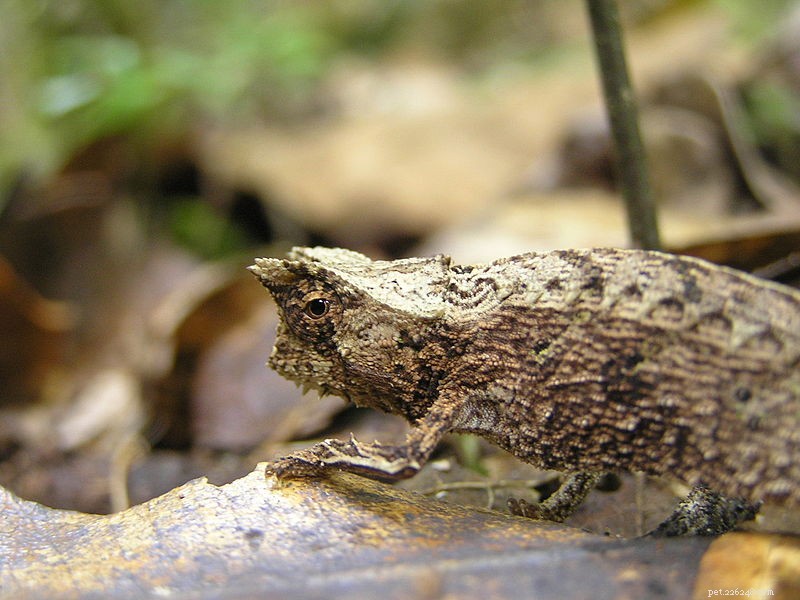 Many hobbyists find that it is easier to provide a varied diet to Dwarf and Leaf Chameleons than to larger species. Due to their small size, most will accept a wide variety of ants, flies, midges, millipedes and other tiny invertebrates that are very common in most environments.
As far as we known, chameleons require exposure to UVB radiation in order to manufacture Vitamin D3 in their skin and thus utilize dietary calcium. Be sure to provide a high output UVB or mercury vapor bulb.
The Veiled Chameleon, a hardy (in chameleon terms!) favorite, includes a surprising amount of vegetation in its diet.
- Top Pet‑Friendly Furniture Fabrics for a Clean, Durable Home
- Top Tarantula Choices for New Hobbyists: A Guide to the Best Beginner-Friendly Species
- Top 5 Small Pet Snakes for New Owners
- Expert Guide to Caring for Pet Chameleons: Housing, Health, and Species
- Feeding Insect‑Eating Pet Lizards: The Ultimate Live Food Guide
- Expert Senior Dog Care: Pain Management & Mobility Tips
- Top Pet Hair Dusters of 2022 – Keep Your Home Clean & Allergy-Free