

Leopard Gecko Care: A Comprehensive Guide to Ideal Terrariums and Long‑Term Health
Leopard Geckos (Eublepharis macularius) possess distinct personalities, accept handling, are easy to breed, do not require UVB radiation and are content with modestly-sized terrariums – surely as close to a “perfect reptile pet” as one can imagine. However, while some have reached ages of 20+ years, Leopard Geckos will not thrive if their specific needs are not met. Drawing from my work with this and related species at the Bronx and Staten Island Zoos, today I’ll describe the type of captive habitat these fascinating lizards require, and some useful products that will help you excel in Leopard Gecko care. I’m also hoping to publish a revised edition of a book I’ve written on Leopard Geckos…I’ll try to include any interesting observations you might post below.

Uploaded to Wikipedia Commons by MKGeckos
Natural History
Understanding an animal’s natural history is a critical first step in successful captive care and breeding.
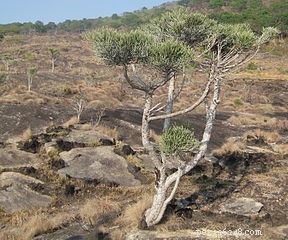
The Leopard Gecko is found in southeastern Afghanistan, western India, Pakistan, Iraq, and Iran, where it frequents desert fringes and arid grasslands. Its habitat is characterized by sand, gravel, rocks, tough grasses and low shrubs (please see photo). In the course of the year, temperatures may range from 41-104 F. Please see the article linked below for further information on Leopard Geckos in the wild.
Setting up the Terrarium
Leopard Geckos will do fine in simple homes, but naturalistic terrariums landscaped with rocks, driftwood and live plants make for stunning displays. Aloes, Ox Tongue, Snake Plants and other arid-adapted species, all readily available, may be used to decorate Leopard Gecko terrariums.
Leopard Geckos are not overly-active (by lizard standards) but should be given as much room as possible. A single adult will get by in a 10-15 gallon aquarium, but a 20 gallon (long style) is preferable. A 30-55 gallon terrarium will accommodate a pair or trio.
Leopard Geckos are ground-dwelling, but will utilize rocks and stout driftwood. Rocks and other heavy objects should always be placed on the terrarium’s floor, not on the substrate, so that lizards cannot tunnel below and be crushed.
Several hide boxes or caves should be provided, preferably on both the cooler and warmer sides of the terrarium. Please see “Humidity” and “Temperature” below for further information.
As air flow is important for animals that are native to arid habitats, your terrarium should be equipped with a screen top.
Uploaded to Wikipedia Commons by Ton Rulkens
Substrate
Sand has long been used as a substrate for adult geckos in zoos and private collections, and I’ve not had any problems with it in either setting. However, impactions due to swallowed sand are sometimes reported, and most pet keepers prefer to err on the side of caution. Large gravel and stones, of a size that cannot be swallowed, are a good alternative. You can mix in some dry grass to simulate a semi-desert environment. If you do choose to add sand, it is best to provide food in large bowls, or in a separate enclosure, so that ingestion is limited.
Hatchlings are clumsy hunters, and tend to swallow sand. Newspapers, paper towels or washable cage liners should be used until their skills improve. Adults may also be kept in this manner if you prefer.
Light
Nocturnal lizards such as Leopard Geckos absorb Vitamin D3 from their diet, and do not need a UVB light source.
Heat
The ambient air temperature should range from 78-88 F. A ceramic heater or red/black reptile “night bulb” (these will also enable you to observe your gecko after dark) can be used to maintain these temperatures at night. A below-tank heat mat or bulb should be positioned so that one corner of the tank is warmer (to 88 F) that the rest.
Large enclosures are necessary if a thermal gradient (areas of different temperatures) is to be established. Thermal gradients, critical to good health, allow lizards to regulate their body temperature by moving from hot to cooler areas.
Uploaded to Wikipedia Commons by Pop77o7
Humidity
Low humidity and a dry substrate should be maintained. However, shedding problems will be likely if a cave stocked with moist sphagnum moss is not provided. A dry hiding spot should also be available.
Companions
Leopard Geckos are solitary and best housed alone. Females and youngsters may co-exist, but dominant individuals may prevent others from feeding. Males will fight viciously and cannot be kept together. Pairs may get along in a large terrarium, but close monitoring is the rule.
Feeding
Too many pet Leopard Geckos are fed diets comprised solely of crickets and mealworms, and as a result rarely live as long as they otherwise might. The overuse of pink mice is another common mistake. Please see this article for information on providing a proper diet, and be sure to post any questions below.
- The Leopard Gecko: A Rewarding, Low-Maintenance Pet
- Discover the Leopard Gecko: A Gentle, Long‑Lived Companion for New Reptile Owners
- Leopard Tortoise Captive Care: Space, Lifespan & Commitment
- Day Gecko Care Guide: Ideal Terrarium Setup & Top Supplies for Healthy Lizard Pets
- Expert Guide to Caring for Madagascar Mantella Poison Frogs in Your Terrarium
- Tokay Gecko Care Guide: Feeding, Housing & Terrarium Design
- Leopard Gecko Care Guide: Tank Setup, Feeding, Size & More